Home Decor Neutralization for Selling: What to Refresh

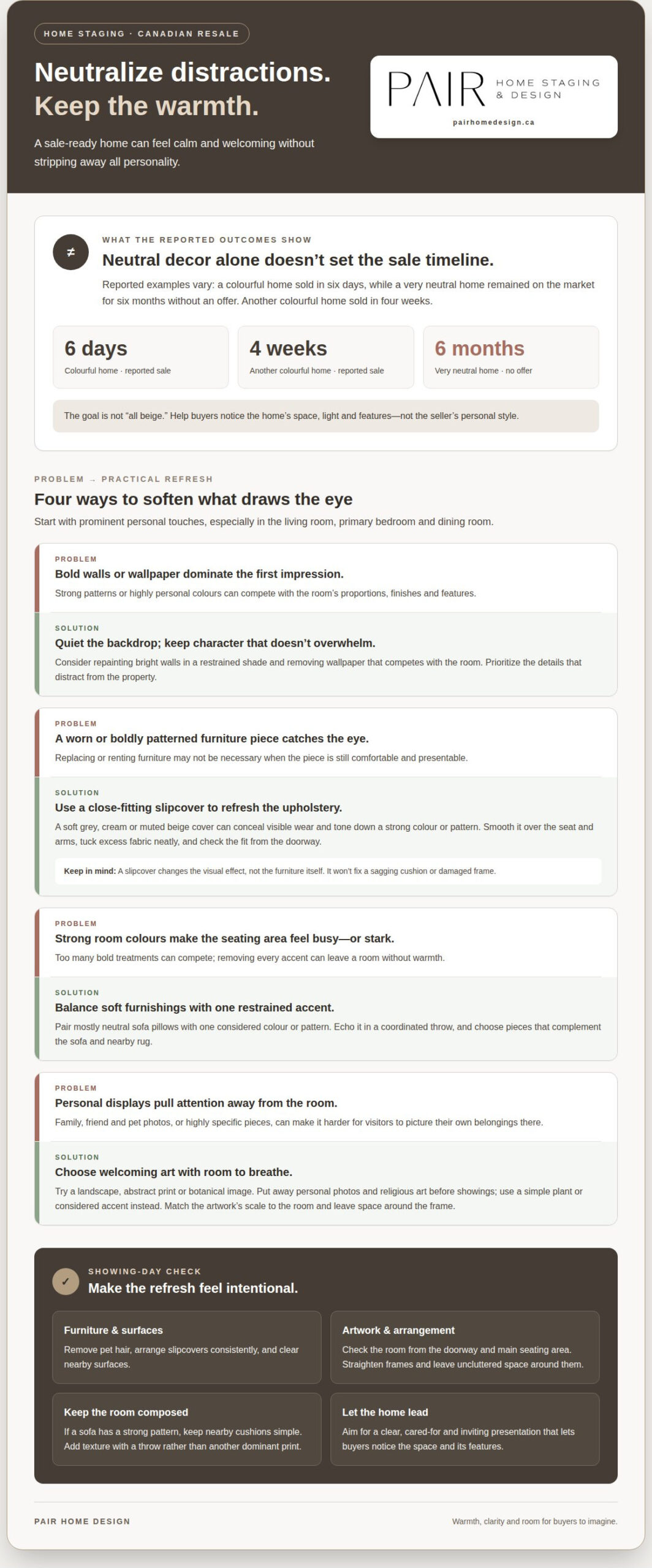
Neutral decor can broaden a home’s visual appeal, but it cannot determine how quickly the property sells. Home decor neutralization for selling means helping buyers notice the space, not the seller’s personal style. One reported home with colourful walls sold in six days, while a very neutral home remained on the market for six months without an offer.
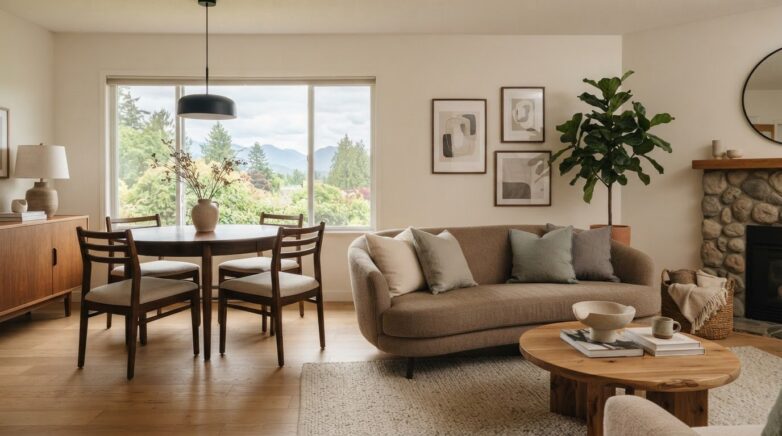
Beige walls and pared-back furnishings may seem like the safest choice, but a calm, welcoming home can still have warmth and character. Refresh the rooms and details that need attention, use soft furnishings or considered artwork to balance the space, and prepare for showings without stripping away all personality. The goal is a home that feels clear, cared for and inviting.
Key Takeaways
- Prioritize wall colours and wallpaper that draw attention away from a room’s space, light, or features.
- Consider slipcovers to refresh worn or boldly patterned furniture without replacing the pieces.
- Choose artwork and accents that feel welcoming and give buyers room to imagine their own style.
- Understand how the home’s condition, preparation needs, and repainting scope shape the cost of a refresh in Canada.
Do Neutral Houses Really Sell Faster?
Neutral decor alone doesn’t determine how quickly a Canadian home sells. Reported outcomes vary: one colourful home sold in six days, while another very neutral home received no offer after six months.
For resale appeal, focus first on prominent personal touches: wall colours and treatments, furnishings, and the living room, primary bedroom and dining room.
Choosing neutral wall colours and removing wallpaper
Neutral wall colours and removing bold wallpaper can create a quieter backdrop for a home’s rooms and features. Strong patterns or highly personal colours may dominate a buyer’s first impression. Consider repainting bright walls in a restrained shade, and remove wallpaper that competes with the room’s proportions or finishes. Keep distinctive details that add character without overwhelming the space.
Adding neutral pillows and throws
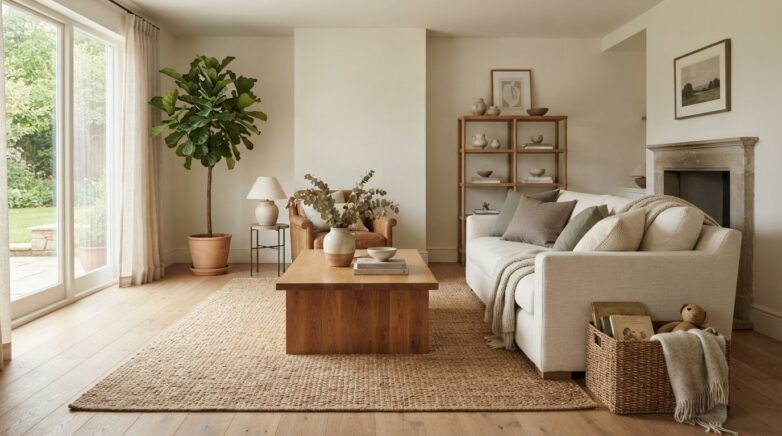
Pillows and throws in understated colours can temper a room’s stronger hues without changing permanent finishes. For example, pair mostly neutral sofa pillows with one restrained accent colour or pattern. A coordinated throw can echo that accent, making the seating area feel intentional rather than stark. Choose pieces that complement the sofa and nearby rug.
Using colour while selling a home
Colour can work in a sale-ready home when it supports the room rather than becoming its main feature. Personal taste doesn’t have to disappear; scale and placement matter. Use a few colourful pillows or a patterned accent against neutral surroundings instead of repeating bold treatments across walls and furnishings. Reports include colourful homes selling in six days and four weeks, showing that colour alone doesn’t explain sale timing.
Considering decor changes for resale value
The most impactful decor changes address prominent personal features in key rooms. Start with bold walls or wallpaper, then edit furnishings and accents in the living room, primary bedroom and dining room. These rooms are considered especially important to buyers and Realtors when staging. Such changes can make a home easier to take in, but they do not establish a specific resale-value increase. Prioritize what currently distracts from the property.
Using slipcovers to refresh or neutralize furniture
On a limited budget, start with furniture that catches the eye. A slipcover can refresh a stained armchair or soften a boldly patterned sofa without replacing or renting furniture. For home decor neutralization for selling, it’s a practical way to help a prominent piece fit the room. Pair it with a tidy throw and clear nearby surfaces for a more composed seating area.
A slipcover is a removable fabric cover fitted over existing upholstery. It can conceal visible wear and tone down a strong colour or pattern, allowing the furniture’s shape and function to stand out. For example, a pale neutral cover over a floral chair can balance it with the room’s furnishings. This home decor neutralization for selling changes the visual effect, not the furniture itself.
Start by assessing the sofa, armchairs and dining chairs in the main living areas. Choose covers that fit closely, since loose fabric can look rumpled in listing photos and during showings. A neutral shade such as soft grey, cream or muted beige can coordinate with different finishes without making every room feel identical.
Fit matters as much as colour. Smooth the fabric over seat cushions and arms, tuck excess material neatly, and check the cover from the doorway. If the sofa has a strong pattern, keep nearby cushions simple. If a covered chair looks plain, a textured throw can add warmth without introducing another dominant print. Clean the surrounding furniture, too.
Slipcovers work best when the underlying furniture is still comfortable and presentable. They won’t correct a sagging cushion or damaged frame, so avoid disguising problems that remain visible. For showings, remove pet hair and arrange the cover consistently after use. If coordinating furniture and soft furnishings feels challenging, consider a cohesive furniture refresh to help the room feel considered and inviting.
Appropriate, non-controversial artwork
Artwork shapes the mood buyers notice as they move through a home. For showings, choose pieces that add colour or texture without tying the room too closely to one household. A framed landscape, abstract print or botanical image can soften a blank wall while leaving room for visitors to imagine their own belongings there.
Put away family, friend and pet photographs, which can draw attention from the room itself, especially when grouped on a mantel or gallery wall. Store religious art, statues and relics before showings, then use a simple plant, framed artwork or small decorative accent in their place. The aim is a welcoming, broadly appealing presentation, not a judgement about anyone’s beliefs.
Choose artwork with the room’s colours and scale in mind. A large, calm print above a living-room sofa can create a focal point without competing with patterned upholstery. In a smaller bedroom, one modest framed piece may feel more composed than several unrelated pictures. Use frames in compatible finishes, such as light wood or black, to connect different images.
- Replace a personal photo grouping with one landscape print or a small plant.
- Move a bold, highly specific piece to storage rather than leaving an empty wall crowded with hooks.
- Position art at a natural viewing height, with space around the frame.
Before each showing, check the arrangement from the doorway and the main seating area. A crooked frame or crowded shelf can make an otherwise tidy room feel unsettled. Reflective glass may catch window glare in listing photos, so adjust the artwork’s angle or placement. One considered piece and uncluttered surfaces can help buyers notice the room’s light, layout and practical features.
How much does it cost to repaint and neutralize a home in Canada?
There isn’t one repainting price for every Canadian home. The total depends on the rooms included, wall condition, surface preparation, paint selection and labour. Refreshing one brightly coloured living room is a different project from repainting walls, ceilings, trim and doors throughout a property.
Scope is the first cost factor. List the rooms that need work, then note whether each needs a full repaint or targeted touch-ups. A dining room with sound walls may need less preparation than a hallway with scuffs, nail holes and peeling wallpaper. Wallpaper removal can add work because the underlying surface may need repair before painting.
Surface condition affects materials and labour, too. Repairs, sanding, priming and extra coats add steps compared with painting a clean, sound wall. Ceiling height, detailed trim, built-in features and occupied rooms can change the amount of preparation and careful work required. For example, painting around furnishings calls for different preparation than working in an empty room.
The cost depends on the project and is provided after a quote request; factors include the rooms, wall condition, wallpaper removal, repairs, paint and preparation. To plan, divide the work into essentials and optional refreshes. Prioritize highly visible walls, then decide whether secondary rooms and trim need attention. This keeps the scope focused on presentation rather than repainting surfaces that already look clean and cohesive.
- Record the room, wall condition and treatment needed for each space.
- Separate wallpaper removal and wall repairs from straightforward painting.
- Decide whether ceilings, doors and trim belong in the refresh.
Neutralizing a home doesn’t always mean repainting every room. Compare the effort of painting a distracting feature with simpler changes, such as putting away personal decor or rearranging existing furnishings. A written scope clarifies the trade-offs and helps you decide which updates matter most before listing.
Pair Home Design: Home Staging
Pair Home Design can help create a cohesive, sale-ready presentation. A Home Consult can clarify which rooms or details deserve attention, while Home Styling can refine the feel and flow of existing spaces. For a listing that needs furnishings and finishing touches, Home Staging creates a considered setting to help buyers focus on the home’s possibilities.
This support is useful when bold decor, empty rooms or mismatched furnishings make a property difficult to present clearly. The aim isn’t to erase every personal detail or make each room identical. It’s to bring the home’s strongest features forward and create a welcoming experience for showings.
Contact Pair Home Design to discuss preparing your home for sale.
Prepare a home that feels ready for its next chapter
Your final choices don’t need to make your home feel unfamiliar. Think of home decor neutralization for selling as editing with intention: keep details that give a space warmth, and soften those that compete with its layout or light. That balance can help a listing feel polished while still feeling like home.
Before making another change, walk through each room as a buyer might. Notice what catches your eye first, what feels crowded and whether the home’s best features are easy to see. Then focus your effort where it can make the presentation more cohesive. A calm, considered approach can be more useful than changing every finish or removing every personal touch.
If you’d like a thoughtful perspective on presenting your home for sale, connect with Pair Home Design about your staging needs. Your next steps can begin with a clear plan and a home that feels welcoming to the people who walk through it.
Frequently Asked Questions
What does neutralizing home decor mean when preparing a home for sale?
It means editing highly personal choices so buyers can focus on the home’s layout and features. For example, replace themed kitchen accessories with a simple bowl and clear crowded shelves while keeping a few useful objects. The aim isn’t to remove every sign of life. A dining table with a modest centrepiece can still feel welcoming and help visitors picture how they might use the room.
Which paint colours and finishes work best for neutralizing a home before selling in Canada?
Soft whites, gentle greiges and muted taupes are versatile starting points because they coordinate with varied flooring and furnishings. Test a shade in the room itself: north-facing light in a Chilliwack home can make a colour look different from how it appears on a sample card. A low-sheen finish can keep walls visually quiet; match the finish to the surface and its condition.
Should sellers remove wallpaper, bold colours, personal photos, and distinctive decor before listing?
Remove or soften items that dominate a room, while assessing each feature in context. A single striking wallpapered powder room may feel intentional, while the same pattern across a small hallway can overwhelm it. Put away personal photographs and highly specific collections, then review listing photos for distractions. In homes from Abbotsford to Vancouver, ask whether a detail draws attention from the room’s size, light or function.
Can overly neutral decor make a home feel bland or hurt buyer interest?
Yes, a room can feel flat if every surface, fabric and accessory has the same pale tone. Add depth with varied textures, such as a woven throw, wood furniture and a leafy plant, rather than several competing colours. In a Surrey living room, a restrained accent cushion can add warmth while keeping the overall palette easy to imagine with different furniture.
How should sellers neutralize kitchens and bathrooms without undertaking major renovations?
Put away personal decor and use simple, broadly appealing accents instead. In bathrooms, display fresh white towels. In kitchens or bathrooms, flowers, fresh or artificial, can add a welcoming touch.