Home staging for heritage homes with old and new style
A heritage home can retain its original character and still feel fresh and welcoming. Home staging for heritage homes works in vacant and occupied properties, using thoughtful furniture placement and styling to make rooms inviting while keeping architectural details in view. The plan adapts to the home’s features and how it is lived in.
It’s natural to want buyers to notice the craftsmanship without making every room feel frozen in another era. The balance comes from respecting original details, keeping the layout clear, and adding contemporary touches that feel warm and at home.
You’ll learn how staging can bring purpose and flow to vacant rooms, refine occupied spaces, and create visual harmony through furniture, texture and light. Each approach is designed to help a heritage home feel cared for, comfortable and ready to welcome its next owners.
Key Takeaways
- Pair contemporary furnishings with the home’s original character to create a welcoming, balanced presentation.
- Learn how a non-invasive approach can highlight heritage details without changing the home’s structure.
- See how staging can clarify the scale and flow of both vacant and occupied rooms.
- Use considered lighting, layered textures and visual harmony to bring warmth to historic spaces.
1. Balancing contemporary furnishings with vintage character
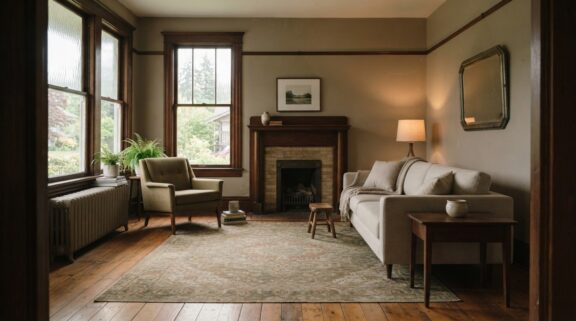
Victorian and Edwardian interiors can pair comfortable contemporary furniture with restrained period character. A modern sofa beside original millwork, for example, helps buyers appreciate both the craftsmanship and how the room works today. Thoughtful home staging for heritage homes keeps the look balanced, not themed.
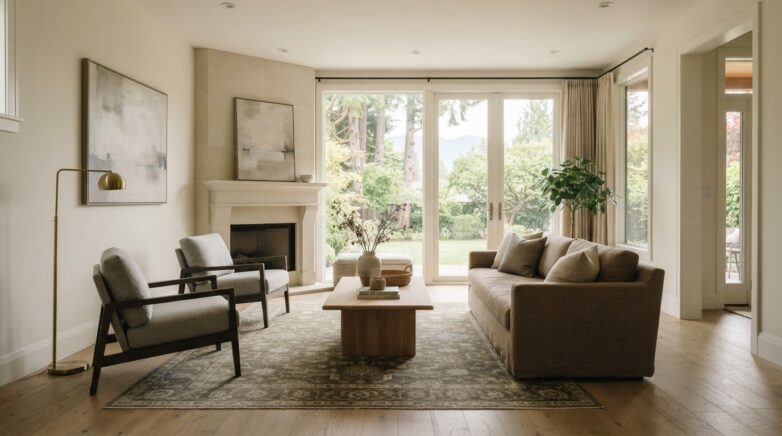
A professional stager first assesses a room’s focal points, such as a fireplace, arched doorway, or detailed mantel. Furniture placement can then draw attention to these features. In a Victorian parlour, a balanced seating arrangement might frame the fireplace while leaving a clear path through the room.
Decluttering helps the architecture stand out. Remove pieces that interrupt circulation, hide original details, or crowd a smaller room. Less furniture leaves more floor visible and helps the room’s proportions read clearly. Simple patterns and a few considered accessories keep attention on the home’s character.
Scale matters. A large sectional can overwhelm a narrow heritage living room, while a compact sofa and lighter occasional chairs may preserve movement. The stager considers furniture height, visual weight, door swings, and the route between adjoining rooms. Symmetrical placement can create order, but it should fit the room rather than force a rigid arrangement.
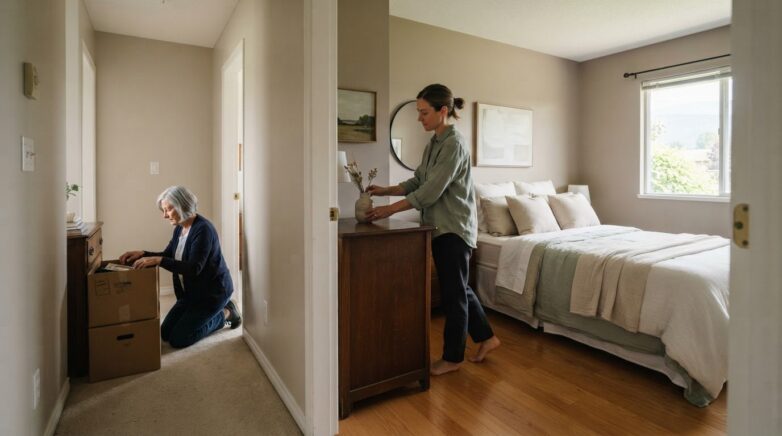
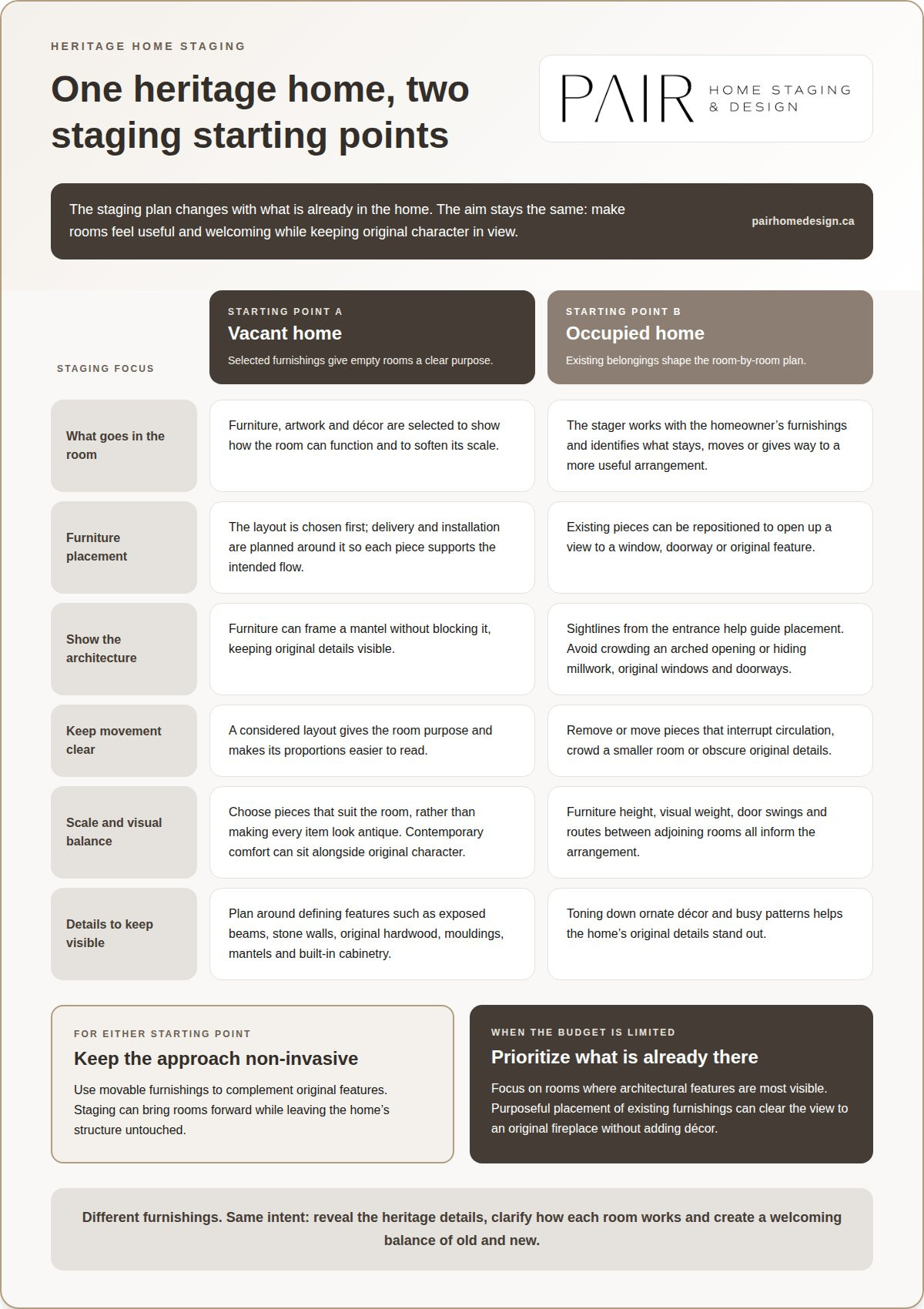
For vacant homes, staging furniture, artwork, and décor gives empty rooms a clear purpose and softens their scale. Delivery and installation are planned around the selected layout, so each piece supports the intended flow. In occupied homes, the stager works with existing furnishings, identifying what stays, moves, or gives way to a more useful arrangement.
A professional staging plan addresses clutter, furniture placement, and the details buyers are likely to notice first. Before arranging a room, the stager considers its original features and where the function could be clearer. The result pairs contemporary comfort with authentic character, without making every piece look antique.
2. Non-invasive staging for old and historic properties
Staging should bring a historic home’s rooms forward without altering the features that give them character. Keep fireplaces, original doors, brickwork, and built-ins visible, and use movable furnishings to complement them. This creates a contemporary impression while leaving the home’s structure untouched and renovation decisions outside the staging plan.
Colour can connect old and new. Neutral shades help rooms feel light and open, while period-inspired colours can complement original trim, panelling, or a distinctive feature wall. Benjamin Moore’s Palladian Blue, Adams Gold, and Georgian Green, for example, offer historic references with a fresher feel. A restrained palette lets the walls support the architecture rather than compete with it.
Preserve unusual objects found during sale preparation. A postcard discovered inside the walls of a Victorian home was written in 1912; it shows how a small discovery can add a tangible connection to the property’s past. A stager can leave such an object undisturbed and visible where appropriate, rather than treating it as ordinary clutter. Keep found items separate from staging décor so their provenance remains clear.
Does a heritage home need a specialist stager? Look for experience working around original details and a clear distinction between movable furnishings and changes to the property. Provincial and municipal designation requirements vary by location and designation, and may affect proposed physical changes during sale preparation. A staging plan based on movable furniture and décor keeps presentation separate from alteration decisions.
For a considered, non-invasive presentation, explore heritage home staging as a way to bring historic character and current-day appeal into balance.
Some paint manufacturers offer colour collections designed for historic homes. Buyers may be drawn to historic interiors, distinctive character, and architectural details.
3. Do you stage both vacant and occupied homes?
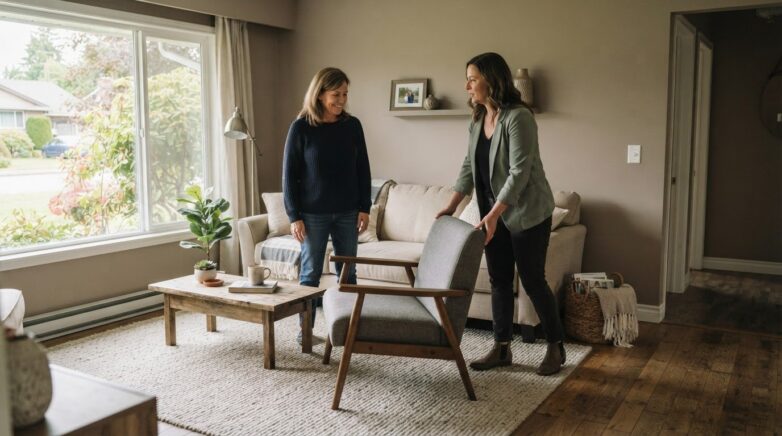
Yes. Vacant and occupied heritage homes can both be staged, with the plan shaped around each room’s existing contents. In an occupied home, the stager works with the homeowner’s belongings; in a vacant home, selected furnishings show how rooms can function.
Respect for the property comes first. Identify the features that define it, such as exposed beams, stone walls, original hardwood, mouldings, mantels, and built-in cabinetry. In a vacant room, furniture can frame a mantel without blocking it. In an occupied room, existing pieces can be repositioned to reveal a window or doorway.
Buyers need a clear view of the architecture. An arched opening, for example, loses impact if a tall cabinet crowds it. Consider sightlines from the entrance, then arrange furnishings to keep millwork, original windows, and doorways visible. Toning down ornate décor and busy patterns helps the home’s details stand out.
What repairs or changes require heritage approval in Canada? Requirements depend on the property’s designation and local rules, so there is no single staging rule for every heritage home. Proposed work affecting protected features, such as original walls or exterior details, may require approval. Staging can instead rely on movable furnishings rather than structural changes.
How can a professional adapt staging to a limited budget? Focus on rooms where architectural features are most visible, and make existing furnishings work harder through purposeful placement. In a living room, clearing the view to an original fireplace may matter more than adding décor.
Where can Canadian homeowners find a qualified heritage home stager? Look for a local professional whose portfolio shows historic interiors and careful presentation of original features. Examples of vacant and occupied projects can demonstrate how staging adapts to different homes.
4. Warmth, textures, lighting, and visual harmony
Light can reveal a heritage home’s details before buyers notice the furnishings. A professional stager assesses how daylight enters each room, then removes heavy window treatments that obscure original trim or darken the space. Uncovered windows can suit a private outlook; lightweight, light-coloured drapery softens the view while letting natural light through.
In a front parlour with tall sash windows, simple drapery can keep the trim visible and the room feeling open. Consider the window’s shape, the direction of incoming light, and how the fabric falls beside the frame. This avoids competing patterns and preserves a clear view of the home’s original details.
Texture brings warmth without visual clutter. A wool throw, linen cushions, and a natural-fibre rug can soften the harder surfaces of a stone hearth or polished wood floor. Vary textures while keeping colours connected, so each material adds comfort without making a period interior feel overdecorated.
Lighting also needs a thoughtful plan. A table lamp beside a reading chair gives a shadowed corner a clear purpose, while a mirror opposite a window can reflect daylight and make a room appear larger. Balance these accents with open space, leaving breathing room around a mantel or original window.
Visual harmony comes from seeing the room as buyers will experience it, from the doorway through to its focal point. The stager adjusts light, fabrics, and furnishings until they work together, rather than asking each feature to compete. For a considered staging plan that brings warmth and light into focus, book professional home staging.
Historic estate staging can use visual harmony, sensory balance, negative space, layered textures, and lighting to create an intuitive environment. Mirrors can be used to make rooms in historic homes appear larger.
Pair Home Design: Home Staging
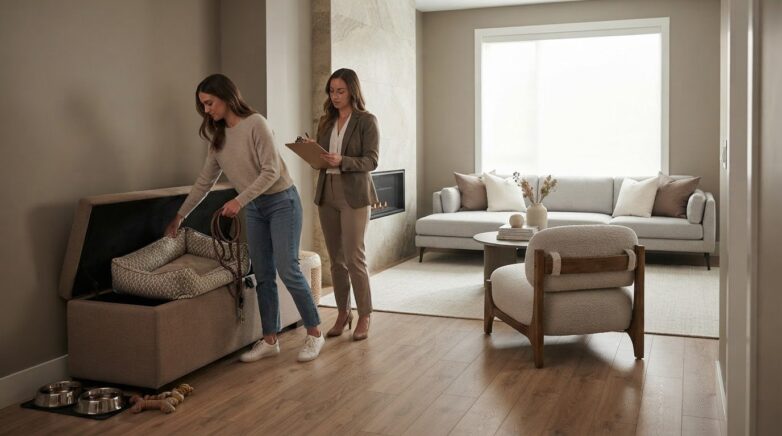
Pair Home Design prepares heritage properties for sale through thoughtful Home Staging that respects original details and creates a warm, contemporary presentation. In a vacant home, staging gives rooms a clear purpose and helps buyers understand their scale. In an occupied home, the plan works with existing furnishings to refine how each space is presented.
Turn to professional staging when the home’s character needs a considered balance or its layout is difficult to present clearly. Pair Home Design also offers Home Consults for guidance on preparing a property, and Home Styling to enhance lived-in spaces. Each approach is tailored to the home and its existing features.
Preparing a heritage home for sale? Contact Pair Home Design to discuss staging.
Set the tone for the home’s next chapter
A heritage property can feel rooted in its past and ready for someone else’s future. Effective home staging for heritage homes considers the impression buyers should carry from their first view through the final room. A clear plan makes the presentation feel intentional, not like a collection of decorative choices.
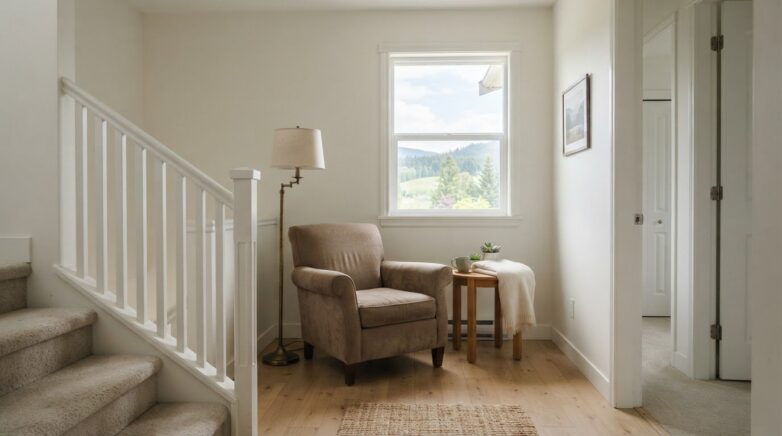
Before staging begins, consider what makes this particular home memorable: perhaps a gracious entry, a quiet reading nook, or afternoon light falling across the dining room. Sharing these priorities gives the staging plan a personal direction while keeping the property’s character at its centre.
Pair Home Design can help shape that next step around the home and its intended presentation. Contact Pair Home Design today to discuss preparing your heritage home for sale. A thoughtful plan can help its next chapter begin with warmth and possibility.
Frequently Asked Questions
Do you stage both vacant and occupied homes?
Yes, Pair Home Design stages vacant and occupied homes. In an occupied heritage property, the plan can prioritize photography-ready rooms while keeping daily routines workable, such as a clear route from the kitchen to the back entrance. In a vacant home, furnishings can suggest how an unusual room might function, helping buyers understand its use without changing the original layout.
What does home staging involve for heritage homes in Canada?
Home staging for heritage homes in Canada prepares a property for sale through considered furniture placement and styling for listing photography and open houses. The plan accounts for whether the home is vacant or lived in and which rooms need the clearest buyer-facing function. Pair Home Design is based in Chilliwack and also serves Hope. Its service area includes Abbotsford, Mission, Langley, Surrey, Coquitlam, Burnaby, Maple Ridge, Vancouver, and surrounding communities.
How can you stage a heritage home while preserving its original features?
Plan furniture placement around fragile finishes. Avoid attaching décor to original surfaces or setting objects directly on delicate furnishings. Before staging, identify features that need particular care, such as a worn stair rail or painted built-in. The plan can keep these areas accessible and visible while using movable pieces to define how nearby spaces function.
What risks can staging pose to historic finishes, fixtures, and furnishings?
Moving furniture can scuff floors, knock doorframes, or put pressure on delicate fixtures. Décor can also mark sensitive finishes if placed on them or attached to walls. A careful staging plan accounts for narrow hallways, tight turns, and fragile surfaces before moving items. Clear routes and thoughtful placement help reduce unnecessary contact with original materials.