Ways to add texture, shape and greenery after moving in
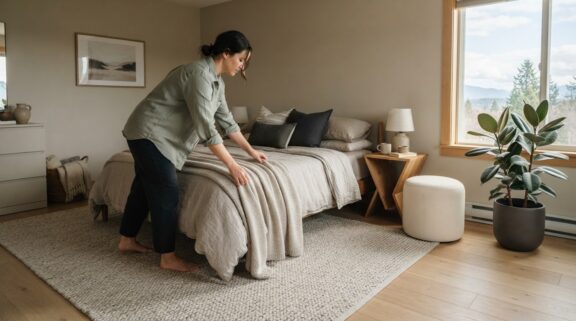
A home can feel beautifully furnished and still seem unfinished without texture, shape and greenery. Thoughtful home styling after moving in brings these elements together: a professional stylist layers soft furnishings, balances rounded and angular furniture, groups decor into considered vignettes and selects indoor plants to suit each room’s light and temperature.
It’s natural to want your new space to feel comfortable and personal, not just arranged for a photograph. The right details add warmth and character while keeping rooms functional and uncluttered.
You’ll learn how a home stylist uses pillows, rugs and throws to create depth, balances different furniture shapes, and arranges decor in intentional groupings. You’ll also see how to choose greenery for different rooms, so plants complement the space rather than feel like an afterthought. Each choice helps bring a home together at a comfortable pace.
Key Takeaways
- Layer contrasting fabrics through cushions, rugs and throws to bring warmth and visual depth to a room.
- Balance angular furniture with rounded or organic forms for a space that feels considered, not rigid.
- Group a few meaningful decor pieces in focused vignettes, leaving other surfaces clear to keep the room open.
- Choose indoor plants with each room’s natural light and temperature in mind so greenery suits the space.
1. How a home stylist layers textures in pillows, rugs and throws
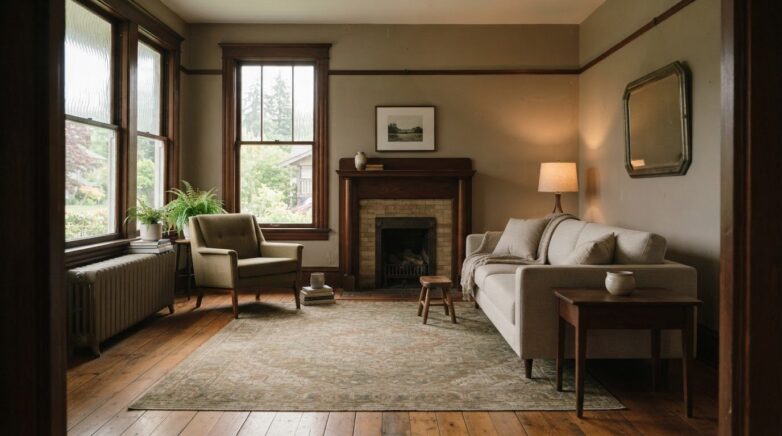
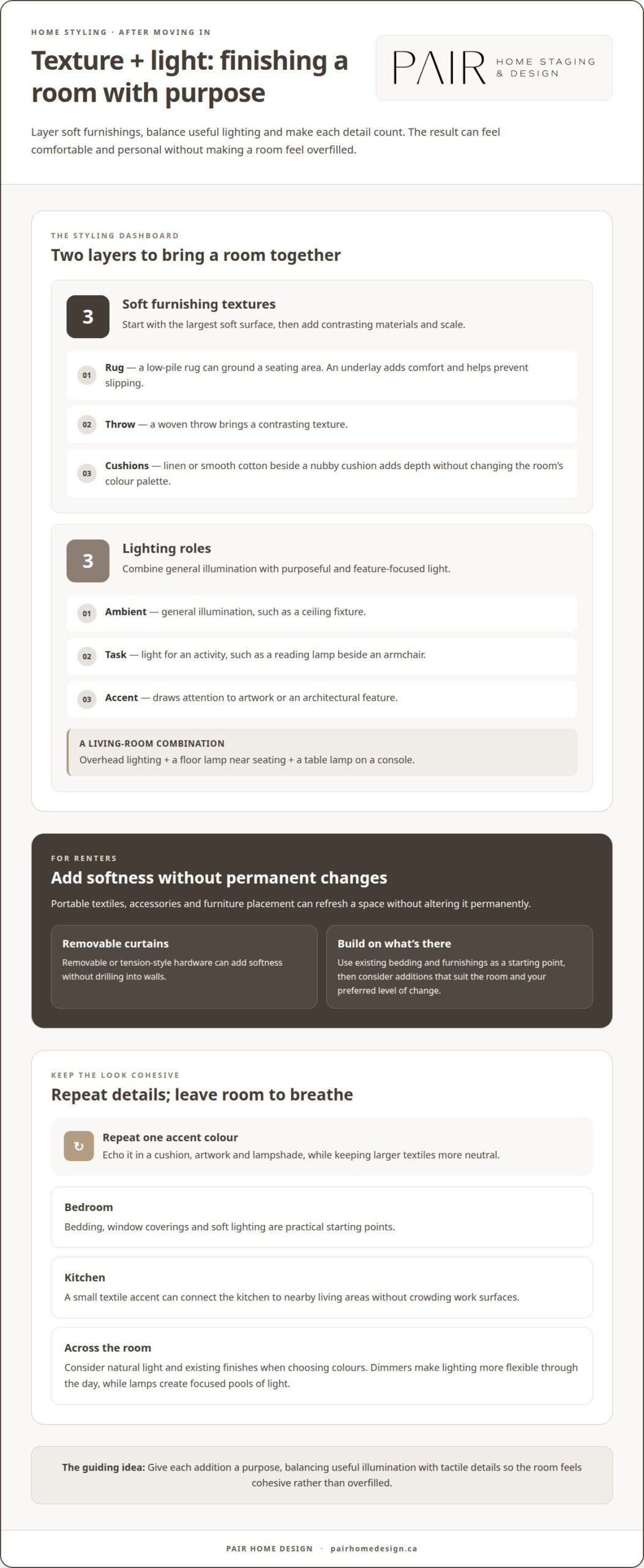
A home stylist often starts with the room’s largest soft surface, such as a living-room rug or bedroom bedding. A low-pile rug can ground a seating area, while a woven throw and linen cushions add contrasting texture. Varying materials and scale creates more interest than choosing matching pieces throughout. For example, smooth cotton pillows beside a nubby cushion add depth without changing the room’s colour palette. A rug underlay adds comfort and helps prevent slipping.
Renters can work with a stylist using portable textiles, accessories and furniture placement rather than permanent changes. Curtains on removable or tension-style hardware, cushions, throws and rugs can add softness without drilling into walls. A stylist can also build on existing bedding and furnishings, then suggest additions that suit the room and the renter’s preferred level of change.
Lighting completes the layers. Ambient lighting provides general illumination, such as a ceiling fixture. Task lighting serves a purpose, like a reading lamp beside an armchair, while accent lighting draws attention to artwork or an architectural feature. A stylist might combine overhead lighting with a floor lamp near seating and a table lamp on a console. Together, these help a living room support reading, conversation and relaxation.
Choose colours with the room’s natural light and existing finishes in mind. A stylist might repeat one accent colour in a cushion, artwork and lampshade, while keeping larger textiles more neutral. In a bedroom, bedding, window coverings and soft lighting are practical starting points. In a kitchen, a small textile accent can connect the space to nearby living areas without crowding work surfaces.
To make a new home feel finished, coordinate rugs, curtains and accessories with layered lighting. Dimmers make lighting more flexible throughout the day, while lamps create focused pools of light. The key is to balance useful illumination with tactile details, giving each addition a purpose so the room feels cohesive rather than overfilled.
2. How a home stylist combines rounded and organic shapes with angular furniture
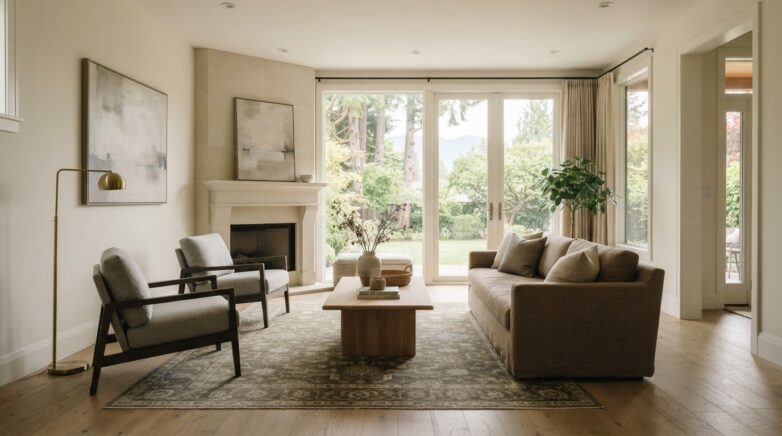
A home stylist balances the strong lines of rectangular furniture with softer silhouettes. A square-edged sofa can sit beside a round coffee table, while a curved chair softens a straight-lined bookcase. Organic shapes, such as a wood bowl or sculptural lamp, add another gentle contrast. The goal isn’t to match every outline, but to create a balanced visual rhythm. Repeating a shape, such as a round side table and circular artwork, can connect separate spaces.
Painting or wallpapering is best done before bringing furniture into a new home. This lets the stylist plan around the finished wall colour and arrange furniture without working around painting tasks. Existing furnishings can then be assessed for scale, condition and fit. A dining table might move into an open-plan space, while a bedroom dresser could become a console elsewhere. Rearranging familiar pieces can give a new layout purpose without replacing furniture.
Updating can be as simple as pairing a current armchair with a new cushion or hanging existing artwork above a different piece. A stylist considers how each item relates to nearby shapes, colours and room function. For affordable home decor and furniture in Canada, the stylist can first make use of belongings already owned, then identify which additions would solve a practical need. This keeps choices focused instead of filling rooms with pieces that don’t suit the home.
Living-room and bedroom priorities often give a new home a comfortable foundation. A stylist may first arrange seating for conversation or reading, then place a bedroom’s essential furnishings for easy movement. Soft furnishings can help these key rooms feel welcoming, while artwork and accessories bring personal character. For professional guidance on arranging existing pieces and selecting considered additions, explore Pair Home Design home styling.
3. How a home stylist displays decor in vignettes to avoid clutter
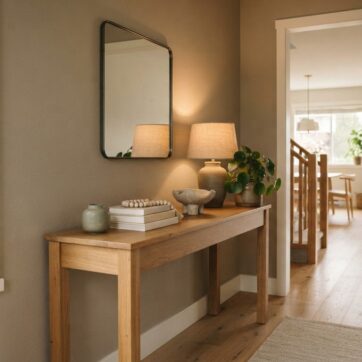
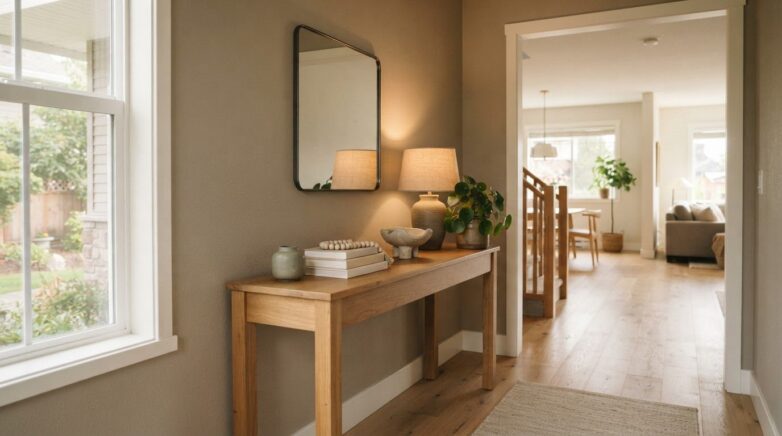
A vignette gives a small group of objects a clear purpose on a shelf, counter or mantel. A stylist might pair a framed photograph with a ceramic bowl and a short stack of books, leaving some space around them. This focused arrangement adds personality without spreading small objects across every surface. In a living room, a mantel grouping can echo the room’s colours while keeping corners and walkways visually calm.
After a move, waiting before buying decor can help reveal what each room needs. A stylist can consider how residents use the spaces, then recommend pieces that suit their routines instead of filling empty shelves immediately. Existing belongings may move between rooms, and smaller objects can be grouped rather than replaced with a large centrepiece. Living with artwork in view for a while can also help you decide where it belongs before hanging it.
Personal details make a home feel distinct. A stylist can bring together framed art, mirrors and meaningful mementos, using a shared colour or material to connect them. Decorating gradually leaves room for personal items to find their place. A consistent thread, such as warm wood frames or a recurring muted colour, helps different displays feel related without making every room identical.
To identify a decorating style, a stylist looks at preferences already present in the home: favourite artwork, furniture finishes and colours that feel comfortable. These choices can guide a cohesive direction without imposing a rigid theme. Working one room at a time keeps decisions focused. The living room might come first for everyday use, while less-used areas stay simple until their needs become clear.
A professional can help you avoid buying decor too quickly, crowding surfaces or choosing pieces that don’t suit a room’s scale and use. For example, a stylist might edit a crowded shelf into one deliberate vignette and leave another shelf clear. This creates breathing room while preserving personal character. The result is a home that develops thoughtfully, with each display earning its place instead of adding clutter.
4. How a home stylist selects indoor plants
A home stylist considers each room’s natural light and temperature before choosing greenery. A bright living room beside a window may suit a leafy floor plant, while a shaded hallway calls for a different placement or plant choice. The stylist also considers how a plant’s height, leaf shape and container relate to nearby furniture. A well-chosen plant can soften a bare corner and bring a sense of comfort to the interior.
Placement matters as much as appearance. A stylist considers where daylight reaches during the day, then positions greenery without blocking a walkway or covering artwork. An empty corner beside a reading chair might suit a taller plant, while a smaller one can sit on a console. Hanging plants draw the eye upward, but their position should suit the room’s light and leave clear space below.
Rooms with little or no natural light need a different approach. For example, a basement bathroom without daylight may suit faux greenery better than a live plant that depends on natural light. A stylist can choose a plant’s form and container to echo other finishes, keeping the greenery connected to the home. This makes a low-light space feel considered without treating every room as if it had the same conditions.
During home styling after moving in, a professional can assess how the rooms function before deciding where greenery adds value. The stylist balances plant scale with the available surface or floor space, and considers whether leaves might compete with existing decor. Plants can bring life to a room, but they shouldn’t crowd shelves or interrupt a useful corner. For tailored guidance on choosing and arranging greenery, book home styling support that considers each room’s light, temperature and layout.
Pair Home Design: Home Styling
Pair Home Design can help turn these ideas into a cohesive, comfortable home. Its Home Styling service is for homeowners who want professional help arranging furnishings, choosing finishing touches and bringing rooms together after a move. The approach considers how you use each space, then shapes a look that feels polished and personal.
A Home Consult can also help clarify priorities when you’re unsure where to begin. Whether the next step is refining a living room, balancing decor throughout your home or preparing a property for sale, the right support depends on your goals. Contact Pair Home Design to discuss home styling for your space.
Let your new home grow into its own
A home doesn’t need to feel completely finished all at once. As your routines take shape, you’ll notice which corners invite you to pause, which rooms need a clearer purpose and where a personal touch could make everyday life more comfortable. That gradual discovery can guide your choices, helping home styling after moving in feel connected to the way you actually live.
If you’d like a professional eye to turn those observations into a considered plan, Pair Home Design offers Home Styling, Home Consults and Home Staging. The right support can help you decide what to keep, what to refine and how to bring a space together around your priorities.
Start a conversation with Pair Home Design about the next step for your home. Your space can become more personal and welcoming, one thoughtful decision at a time.
Frequently Asked Questions
What are the first steps a home stylist takes when styling a home after moving in?
A stylist begins by learning how the household uses each room, then assesses the layout, existing furnishings, storage needs and fixed features. In a Chilliwack home, for example, a narrow entryway may shape the plan differently from an open living area. Pair Home Design serves Chilliwack and Hope, as well as Abbotsford, Mission, Langley, Surrey, Coquitlam, Burnaby, Maple Ridge, Vancouver, and surrounding communities.
How does a home stylist prioritize decorating projects after moving in?
A stylist prioritizes projects by how much they affect daily function, then considers decorative refinements. If a household needs a more useful place to work, that may take priority over styling a display shelf. A room-by-room plan separates essential changes from decisions that benefit from more time, helping the home develop around actual routines rather than an all-at-once makeover.
What furniture and decor should you discuss with a home stylist buying first after moving in?
Before buying anything, discuss which existing pieces work, what’s missing and what each room needs to support. A stylist can help assess whether a dining table also needs to serve as a work surface, or whether storage is a more pressing priority. Share room measurements and explain how you use the space, so recommendations account for function, fit and the pieces you already own.
How does a home stylist choose a cohesive interior design style and colour palette?
A stylist looks for common threads in your preferred furnishings, artwork and fixed finishes, such as flooring or kitchen cabinetry. These anchors guide a style that feels personal rather than copied from a trend. The stylist can then consider how colours connect adjoining rooms and compare options with existing materials, creating a palette that feels harmonious throughout the home.
How do you measure rooms and plan furniture layouts?
Measure rooms, doorways, windows and staircase widths to check that furniture and decor will fit. Plan the layout around daily habits and activities, keeping walkways clear. In open-plan spaces, use furniture and rugs to define dining, lounging and working areas.