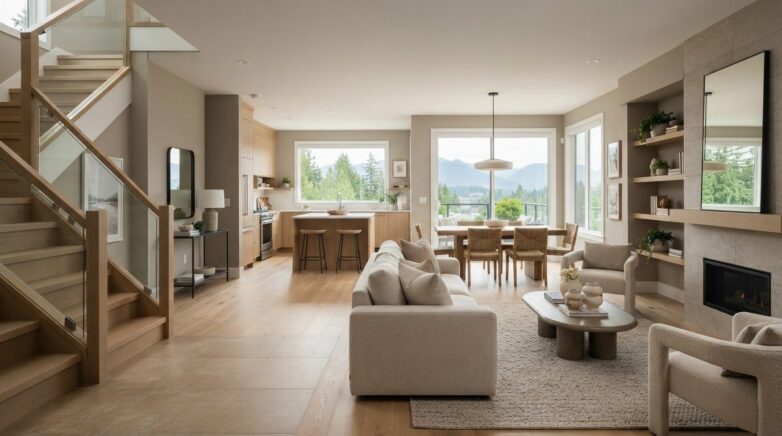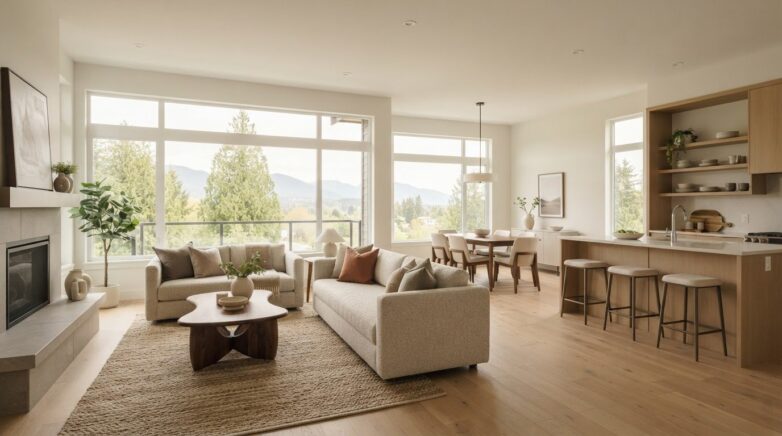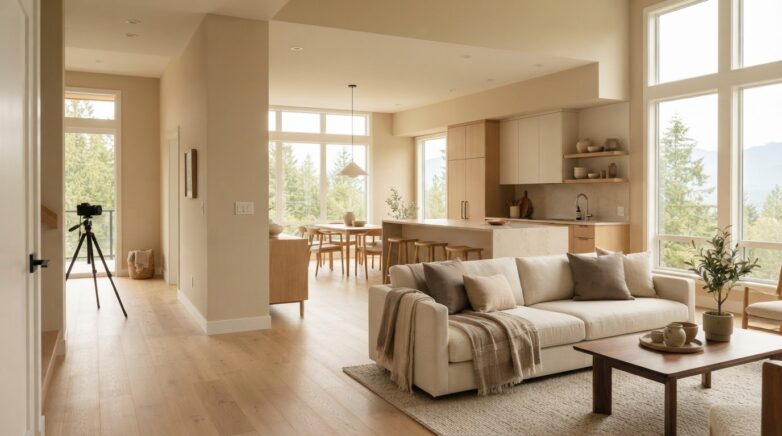
Home styling services in Langley tailored to your lifestyle
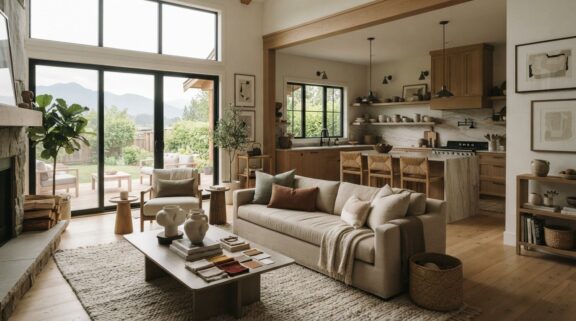
A polished home doesn’t have to feel like someone else’s. Home styling services in Langley are shaped by a consultation, your personal preferences, the furniture you already own and the architectural features that give your home its character. The goal is a space that feels considered and comfortable, not simply arranged for a photograph.
You may want a room to feel calmer, make better use of pieces you love or create a more cohesive look throughout your home. Those priorities are a useful starting point: thoughtful styling balances appearance with the way you live.
This article explains how a styling consultation can turn your taste, existing furnishings, layout and finishes into a practical plan. You’ll also learn how to prepare, what shapes the scope of styling, and when a tailored approach can make a Langley home feel more inviting and complete.
Key Takeaways
- Use a design consultation to clarify what you want to change, what already works and how you want each room to feel.
- Understand how home styling differs from broader interior design work so you can choose support that fits your goals.
- Assess existing furniture and architectural features before deciding what to keep, reposition or complement.
- Connect your styling choices to everyday routines, practical needs and personal preferences for a home that feels like yours.
- Explore which styling options suit a Langley home, whether you’re refreshing a lived-in space or preparing a property for sale.
Design consultations
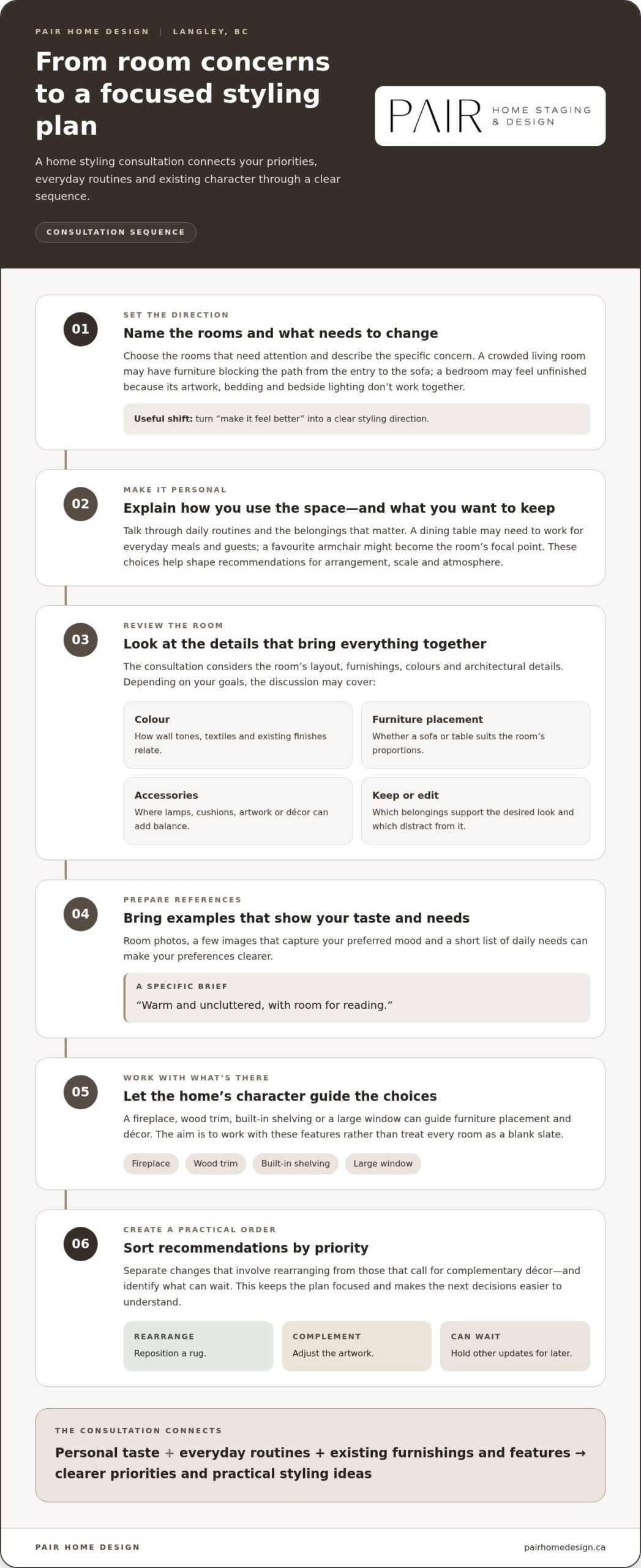
What is included in a home styling consultation in Langley? It starts with your goals, then considers the room’s layout, furnishings, colours and architectural details. You’ll leave with clearer priorities and practical ideas for making the space feel more cohesive.
Start by choosing the rooms that need attention. A living room might feel crowded because furniture blocks the natural path from the entry to the sofa. A bedroom might feel unfinished because the artwork, bedding and bedside lighting don’t work together. Specific examples turn “make it feel better” into a useful styling direction.
Next, talk about how you use each space and what you want to keep. A consultation can consider whether a dining table needs to serve everyday meals and guests, or whether a favourite armchair should become the room’s focal point. These choices shape recommendations for arrangement, scale and atmosphere.
A styling consultation focuses on details that bring a room together. Depending on your goals, the discussion may cover:
- Colour: how wall tones, textiles and existing finishes relate.
- Furniture placement: whether a sofa or table suits the room’s proportions.
- Accessories: where lamps, cushions, artwork or décor can add balance.
- Keeping or editing: which belongings support the desired look and which distract from it.
Bring useful references to the conversation. Room photos, a few images that capture your preferred mood, and a short list of daily needs can clarify your taste. For example, “warm and uncluttered, with room for reading” gives more direction than a broad style label alone.
During a Pair Home Design Home Consult, your preferences can be matched to the home’s existing character. A fireplace, wood trim, built-in shelving or large window may guide furniture placement and décor choices. The aim is to work with these features rather than treat every room as a blank slate.
Before wrapping up, sort recommendations by priority. Decide which changes involve rearranging, which call for complementary décor, and which can wait. This keeps the plan focused. Repositioning a rug and adjusting artwork, for example, may help a sitting area feel more settled before you consider other updates.
For homeowners considering home styling services in Langley, a consultation is a practical starting point. It connects personal taste with the rooms, belongings and features already in place. Clear priorities make the next styling decisions easier to understand and act on.
Interior design and styling services
Interior design and styling can overlap, but they address different decisions. Styling focuses on how furnishings, colour, lighting and décor work together. Interior design can also involve planning substantial changes to a room. A clear project scope helps match the support to your goals.
How can I choose a reputable home stylist in Langley, BC? Look for a portfolio that shows considered room arrangements and a range of finishes, then assess whether the process makes space for your ideas. A clear written scope should explain the rooms involved, styling priorities and how decisions are approved.
Turn design ideas into a plan by separating essentials from inspiration. If you love a deep green wall but want to keep a neutral sofa, a stylist can consider the balance of colour, textiles and accents. Share reference images, identify the details that matter most, and note where you’re open to suggestions.
Residential interior design may address how a home functions as well as how it looks. A kitchen plan, for example, might consider work areas, storage and lighting, while bathroom choices could coordinate finishes, mirrors and accessories. Styling can refine a room’s appearance, but it is not a substitute for renovation work or technical planning.
Commercial renovation design has a different scope from styling a home. Refreshing a café, for example, may involve customer flow, durable finishes and construction coordination. Keep the distinction clear: home styling can guide presentation and atmosphere, while renovation planning and construction are separate work.
Are there local rules or permits affecting home renovations and styling in Langley? Furniture placement and décor choices differ from work that changes a building’s structure or services. Before planning structural, plumbing or electrical changes, establish which permit requirements apply to the property and project in Langley.
How long does a home styling project typically take in Langley? Timing depends on the rooms involved, the decisions required and whether the plan relies on existing furnishings or new selections. A single-room refresh has a different sequence from coordinating changes across several rooms.
What are the risks or extra fees to check in a home styling contract? Read the scope for included rooms, revisions, sourcing, delivery and installation, and clarify how added work is handled. Confirm approval points before purchases or changes begin, so the plan stays aligned with your priorities.
If your goal is to refine a home’s atmosphere without planning a renovation, explore this home styling approach as a practical next step.
Reusing existing furniture and architectural features
Begin with a practical inventory of the furniture already in your home. Note each piece’s condition, size, colour and everyday use. A solid wood dining table, for example, may work beautifully nearer a window, paired with simpler chairs. Keep pieces that serve a purpose or carry personal meaning, then decide what needs a new position or supporting details.
Architectural features can guide an arrangement. A fireplace naturally draws attention, while built-in shelves provide storage and a visual anchor. In a Langley living room, seating facing the fireplace can create a conversation area without blocking the route to a doorway. Treat window placement, ceiling details and trim as part of the room’s character, not obstacles to disguise.
Furniture styling is about proportion and relationships, not just individual pieces. A large sectional can overwhelm a narrow room if it crowds the passage between the entrance and kitchen. Try angling an accent chair beside it or shifting the coffee table to leave a comfortable path. A lamp, books and a small tray grouped on a side table give the arrangement a purposeful finish.
Draperies, wall coverings and flooring also affect how furnishings look. Long curtains hung near the ceiling can draw the eye upward, while a patterned rug can define a seating area over hardwood. If a room has prominent wallpaper, choose quieter cushions and accessories to avoid competing patterns. Consider texture and colour together, such as linen drapes beside a smooth leather sofa.
Use this quick review to decide what each existing element contributes:
- Furniture: retain useful pieces, then test their scale and placement.
- Draperies: assess their colour, length and relationship to the windows.
- Walls and floors: note strong patterns, finishes and colours before adding accents.
- Architectural details: arrange furnishings to highlight features such as a fireplace or built-in shelves.
When finishes feel disconnected, choose one element as your starting point. Use a rug’s muted blue, for example, to connect a neutral sofa with blue-grey curtains. Repeat the colour in a cushion or ceramic vase, then keep other accents quieter. This creates continuity without replacing larger furnishings or hiding distinctive woodwork.
Make changes in stages. First, clear surfaces and test furniture placement; next, adjust rugs and window coverings; finally, add selected accessories. Photograph the room before and after each move to see whether a doorway is clearer or a focal point stands out. This measured approach preserves useful belongings while giving the room a more intentional, comfortable feel.
Photographing the room before and after each stage can help you notice whether the layout feels more open and whether the retained pieces still work together. Step away between adjustments rather than changing several things at once; a pause can make it easier to judge the room with fresh eyes. When you want a change of scene, Tynehead Regional Park covers 260 hectares. Then return to the space and make the next choice based on how you use the room every day.
Lifestyle and personal-preference assessment
A useful styling plan starts with how you live, not a fixed catalogue look. A household that hosts Sunday dinners has different needs from someone who uses the dining table as a desk. In Langley, describe your routines, the rooms you use most and what feels awkward. These details connect visual choices with everyday comfort.
What should I prepare before hiring a home stylist in Langley? Gather room photos, examples of colours or interiors you like, and a short list of practical needs. Note which belongings must stay, such as a family dining table or child’s bookcase, and identify the rooms you want to address first.
Consider how each room works at different times of day. A living room used for evening reading may need a comfortable chair and focused lighting, while a family room used for play needs clear floor space and accessible storage. If guests stay overnight, consider whether a den can fit a sofa bed without losing its everyday purpose.
Separate your preferences into essentials and options. This makes it easier to discuss where a stylist should follow your taste closely and where you welcome suggestions. You might want to keep a collection of framed travel photographs, for example, while remaining open to changing the surrounding wall colour or arrangement.
- Daily routines: record where you eat, work, relax and welcome visitors.
- Must-keep pieces: identify furniture, artwork or keepsakes with practical or personal value.
- Comfort needs: note preferences such as softer seating, clear walkways or less visual clutter.
- Inspiration: save a few room images and describe what appeals, such as warm wood or simple patterns.
Consider the people and activities that share each space. A household with a dog may prefer washable throws and a clear place for supplies. Someone working from home may need a desk that feels connected to the room rather than squeezed beside the sofa. Naming these needs helps the plan account for daily use.
Personal taste can be more specific than a style label. Instead of saying “modern,” point to details you enjoy: a clean-lined lamp, natural textures or a restrained colour palette. If you like bold artwork but prefer quiet walls, that contrast can become a deliberate feature rather than a mismatch.
Finally, rank the rooms by impact and urgency. Start with the entry if coats and shoes collect there, or prioritize a bedroom that feels difficult to unwind in. A short list of preferred changes gives the styling conversation direction while leaving room to refine details together.
What home styling services are available in Langley, BC?
In Langley, home styling can range from advice on one room to a coordinated refresh across your home. The right scope depends on whether you want to improve everyday comfort, prepare a property for sale or create a more consistent look. Focused styling can work with existing furniture, while a broader plan can bring several rooms together.
A Home Consult is a useful starting point when you want direction before making changes. You might ask for help arranging a living room, choosing bedroom accents or connecting colours in an open-plan space. The consultation helps establish priorities to guide your next steps.
Hands-on home styling can help bring those decisions together in the rooms themselves. It may involve placing furniture, editing accessories and balancing textiles, lighting and artwork. In a Langley townhouse, for instance, careful furniture placement can make a combined living and dining area feel distinct without interrupting its flow.
Preparing a home for sale calls for a different emphasis. Home Staging aims to present rooms clearly, highlight useful features and help buyers imagine how spaces could function. A dining area might be arranged to show its purpose, while a spare room could be presented as a calm workspace or guest room.
Before choosing a service, match the scope to your goal:
- Advice: choose a consultation when you need a plan for specific rooms or styling decisions.
- Everyday refresh: consider hands-on styling when furniture and décor need a more cohesive arrangement.
- Sale preparation: focus on presentation when a property is being readied for listing photographs or viewings.
Styling has a different role from renovation. Rearranging a sofa, selecting curtains or refining a room’s colour palette changes its presentation. Altering a kitchen layout or moving plumbing involves construction decisions beyond a styling refresh. Keep the distinction clear when defining the work you want: a styling plan is not a renovation service.
For a Langley home, practical needs also shape the approach. A family room may need durable, easy-to-maintain furnishings, while a quiet reading corner benefits from comfortable seating and well-placed light. Existing finishes and belongings you want to retain can guide choices, helping the result feel connected to the property.
If you’re ready to shape a more cohesive home, explore home styling options and consider which rooms would benefit most from a tailored approach.
Pair Home Design: Home Staging
Pair Home Design helps homeowners prepare a property for sale through Home Staging, shaping rooms to feel clear, welcoming and easy to picture as home. Turn to Home Staging when you’re getting ready to list and want the presentation to highlight the property’s flow and features. For a lived-in space that needs a more personal refresh, Home Styling can bring existing furnishings and architectural details into a more cohesive arrangement. Home Consults offer a starting point when you want guidance on priorities before making changes. Realtors can also explore The Agent’s Edge as a service suited to their work with sellers. Each option addresses a different need, from preparing a listing to refining everyday spaces. To discuss your home’s next step, visit Pair Home Design.
Make room for what comes next
The next step can be smaller than a full-home refresh. Choose the room or feeling you want to address first, then consider how a more intentional setting could support your daily life. That gives your ideas a clear direction without requiring you to decide every detail in advance.
For tailored home styling services in Langley, Pair Home Design offers Home Consults to set priorities, Home Styling to refine lived-in spaces, and Home Staging to prepare a property for sale. Choose the service that fits what you want your home to do next, whether that means feeling more settled day to day or presenting it thoughtfully to prospective buyers.
Bring your questions and a sense of what matters most. Contact Pair Home Design to begin a conversation about the right next step for your home.
Frequently Asked Questions
Which Langley home stagers offer occupied-home styling and vacant-home staging?
Pair Home Design offers Home Styling for occupied homes and Home Staging for properties being prepared for sale. For an occupied listing, styling can work with existing furnishings to present rooms clearly. Vacant properties can benefit from selected furnishings and décor that help show how rooms might be used. The approach is shaped by the home’s condition, its contents and your presentation goals.
Do Langley home styling companies offer in-home and virtual consultations?
In-home and virtual meetings are two possible consultation formats, but the format depends on the service. Pair Home Design offers Home Consults for pre-listing guidance. An in-home discussion can consider room proportions and sightlines firsthand, while photos or video can help make a remote conversation more focused. Before a consultation, prepare images of the rooms and a short list of priorities, such as improving a listing’s flow or highlighting a feature.