Apartment Staging Vancouver: Choose a Local Stager and Plan Your Space
The right apartment stager should understand more than the room in front of them. Choosing apartment staging in Vancouver means looking for a thoughtful plan, a portfolio that shows how spaces can feel more inviting, and experience serving the area where your property is located. Houzz lists 537 home stagers in the Vancouver area, so a clear sense of your needs can help narrow the search.
It’s natural to focus on polished before-and-after photos, but the most useful examples also show how a stager works with an apartment’s layout, light, and existing features. Thoughtful apartment staging can help Vancouver buyers picture living in the space while keeping the presentation connected to everyday life.
This guide explains how to compare local staging examples, choose a home stager, and prepare your apartment. It also considers practical differences across Greater Vancouver and the Fraser Valley, helping you start with a plan suited to your home and next step.
Key Takeaways
- Compare staging portfolios by how well they show layout, light, and a welcoming sense of scale, not just attractive finishes.
- When contacting local stagers, share your apartment’s location, current condition, and intended use so the conversation can focus on your needs.
- Prepare rooms by clearing visual clutter and arranging furniture to make pathways and everyday functions easy to understand.
- Look for staging experience that fits your part of Greater Vancouver or the Fraser Valley, since property layouts and local context can shape the approach.
- Use a home consultation for tailored guidance, or explore staging when you want a coordinated presentation for a property sale.
How do I choose Home Stagers in Vancouver, BC near me?
Choose a home stager whose portfolio shows thoughtful work with apartment layouts, not only large detached homes. For apartment staging in Vancouver, compare how each example handles natural light, compact rooms, storage, and clear walkways. Houzz lists 537 home stagers in the Vancouver area, so start by narrowing your options to professionals whose work reflects your property type and neighbourhood.
Look for a consistent process across the portfolio. A staged living room should make its conversation area feel inviting, while a bedroom should clearly show the available floor space. Home staging presents a property for sale; interior design can reflect longer-term personal preferences. For a listing, favour examples that feel welcoming while keeping the home’s features in view.
Read testimonials for specific details, then treat each result as one customer’s experience. Staging testimonials include a property receiving 3 offers, another selling over asking price within 2 days, and a staged unit selling over asking price in 1 week. These examples show reported outcomes, not a formula for predicting another sale. Notice whether the review also describes communication, planning, and the finished presentation.
Consider who develops the design and how the plan comes together. A portfolio should show coordinated furniture scale, colour, lighting, and accessories, not unrelated decorative choices. Look for apartments similar to yours, such as a compact downtown unit or a family condo with a separate dining area.
For an occupied home, a consultation can identify practical changes without requiring every room to be cleared. A useful walkthrough considers your existing furniture, daily routines, storage, and the rooms buyers are most likely to notice. The plan can prioritize edits, furniture repositioning, and styling, making preparation more manageable before photography.
Apartment staging or virtual staging? Physical staging places real furniture and décor in the apartment, helping buyers experience its scale and flow during a viewing. Virtual staging adds furnishings to listing photos, illustrating a possible layout online while the room itself remains unfurnished.
Are there strata rules for staging or moving furniture? Condo strata procedures may affect move bookings, elevator access, loading areas, and protection of shared spaces. Review the building’s procedures before scheduling furniture delivery or removal, and include access details in the staging plan.
How long does staging take? Timing depends on the apartment’s condition, the rooms involved, furniture selection, and building access. Plan for preparation, installation, and any required move coordination before listing photography.
What are common staging risks or hidden fees? Unclear scope can lead to confusion about furniture, delivery, installation, removal, rental period, or access-related charges. The price depends on the apartment, selected furnishings, logistics, and staging period, and is provided after a quote request; review those items in the written scope.
Before-and-after staging examples
A useful before-and-after comparison shows what changed and why. Imagine a Vancouver apartment living room where a sofa blocks the balcony door. In the staged version, the sofa faces the room, a slim table defines the seating area, and the walkway is clear. The improvement is in the layout, not simply in added cushions. Compare matching angles whenever possible to assess furniture placement and sightlines.
In a compact bedroom, a crowded dresser and bulky bedside tables can make the floor feel limited. An illustrative after photo might show a narrower bedside table, edited surfaces, and bedding in a restrained palette. Look for a clear route from the door to the bed. The aim is to show how the room functions while keeping it comfortable, not overly styled.
A dining nook offers another useful example. Before staging, a large table might crowd the kitchen entrance or dominate the room. A smaller table with neatly arranged chairs can suggest a dining area without interrupting circulation. See how the nook relates to nearby spaces. In an open-plan apartment, continuity between the dining and living areas can make the layout easier to understand.
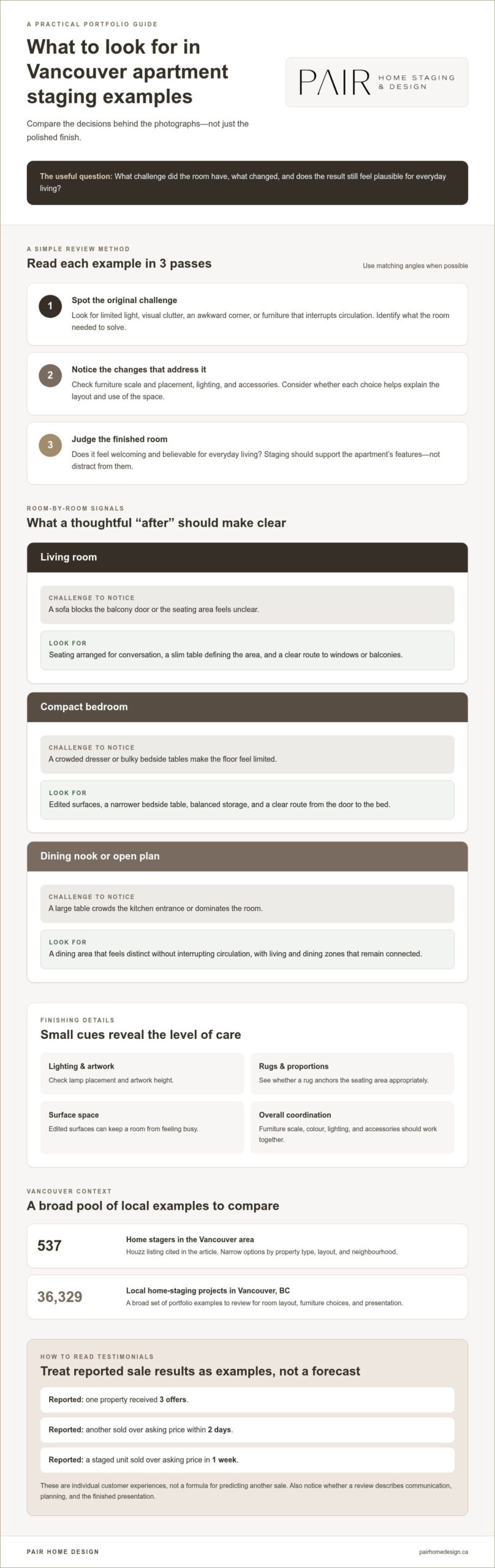
Use a consistent review process for each portfolio example. First, identify the room’s original challenge, such as limited light, visual clutter, or an awkward corner. Next, note which changes address it: furniture scale, placement, lighting, or accessories. Finally, check whether the result still looks plausible for everyday living. Houzz lists 36,329 local home-staging projects in Vancouver, BC, offering a broad pool of examples to compare.
- Living room: Check whether seating creates conversation space and leaves a clear route to windows or balconies.
- Bedroom: See whether the bed, storage, and walking space feel balanced without crowding the room.
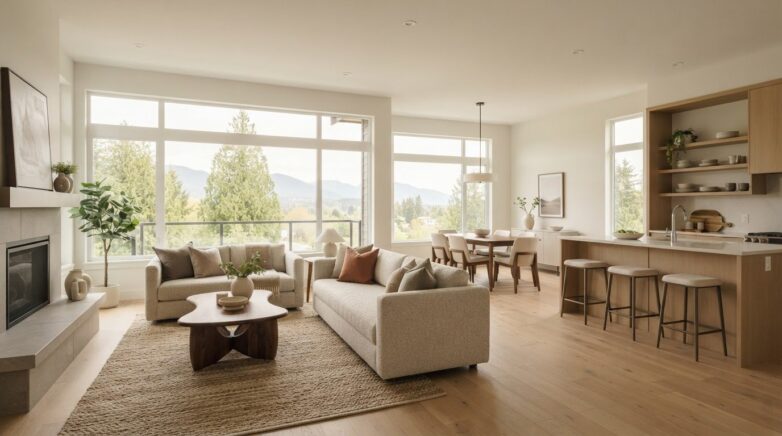
- Open plan: Look for distinct living and dining zones that still feel connected.
Photos can reveal a stager’s attention to detail. Compare lamp placement, artwork height, rug proportions, and visible surface space. A well-placed rug can anchor a seating area, while an edited coffee table keeps the room from feeling busy. Finishing touches should support the apartment’s architecture, not distract from it.
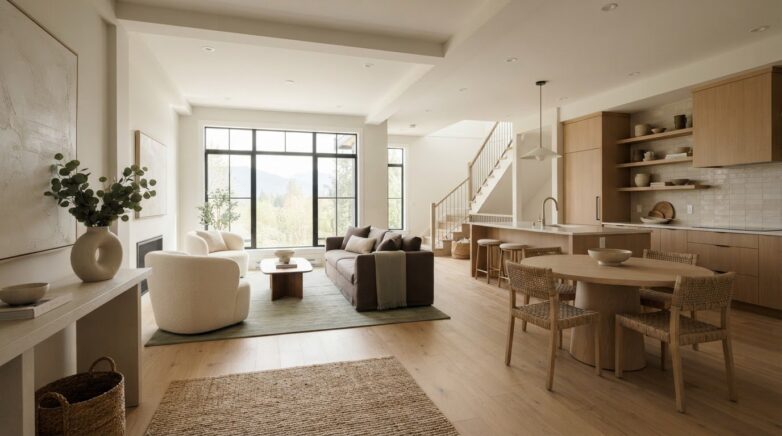
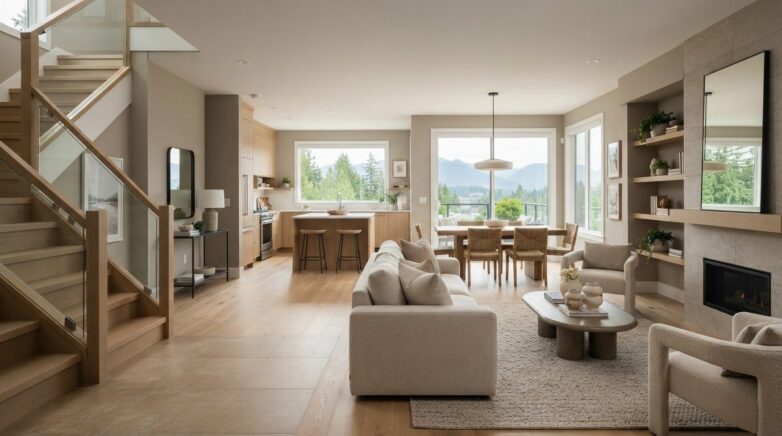
When reviewing a portfolio, choose examples that resemble your apartment’s layout and natural light. A downtown studio and a larger suburban condo present different design challenges. If you want to explore how a considered presentation could suit your space, browse apartment staging ideas as you compare before-and-after details.
Finding and contacting local stagers
Start with your neighbourhood and property type. A Coal Harbour studio, a Mount Pleasant condo, and a Surrey townhouse each present different access and layout considerations. Look for professionals with project examples that match your home, then note the approaches you like. Relevant work is a more useful starting point than location alone.
Before getting in touch, gather a few practical details: the neighbourhood, number of rooms, whether the apartment is occupied, and your intended listing timeline. Mention features that affect the plan, such as a narrow entry, balcony door, or limited elevator access. Clear details help focus the first conversation on the work and logistics.
Use your initial message to describe the result you want. For example, explain that your Kitsilano apartment needs a brighter living room and a more defined dining area. Attach current photos if available, and identify any furniture that must stay. A concise request gives a stager useful context without requiring you to design the solution.
Prepare a few questions for the conversation. Ask how the layout will shape the staging plan, what happens during the walkthrough, and which preparation tasks are yours. For a furnished condo, ask how existing pieces could be edited or repositioned. For an empty unit, ask how the plan will establish each room’s purpose.
- Share the basics: Give the neighbourhood, property type, occupancy, and listing timeframe.
- Describe the challenge: Point out a specific issue, such as a dark corner or crowded walkway.
- Discuss the scope: Clarify which rooms need attention and whether furniture is already in place.
- Confirm logistics: Explain building access, elevator bookings, loading arrangements, and any move restrictions.
Compare responses for clarity and attention to your apartment. A useful discussion connects your goals with specific choices, such as opening a pathway or defining an awkward dining nook. Notice whether the next step is clear and whether preparation and access responsibilities are explained.
Keep a simple record of each conversation: the professional’s name, answers to your questions, and any follow-up tasks. When comparing projects across Greater Vancouver and the Fraser Valley, note the property types in each portfolio. This helps distinguish relevant apartment experience from work that only looks appealing in photos.
Before confirming a staging plan, review its scope and logistics together. Make sure the rooms, furniture needs, access arrangements, and preparation responsibilities fit your listing schedule. A clear outline prevents mismatched expectations and gives everyone a shared picture of the finished space.
Furniture placement and decluttering advice
Start with the route buyers take from the entry to the main living area. In a Vancouver condo, an oversized console can narrow the entrance and interrupt the view. Remove it or move it against a wall, then check that the path to the living room is clear. Apply the same test from the living room to a balcony, kitchen, or bedroom.
Choose furniture to suit each room’s purpose and proportions. In a compact living room, angle the sofa toward a focal point, such as a window or fireplace, and keep a direct walkway beside or behind it. A small dining table can define an eating area without blocking the kitchen entrance. Avoid pushing every piece against the walls, which can leave the centre feeling empty.
Declutter visible surfaces as well as cupboards. Clear kitchen counters, keeping only a few useful items such as a kettle or fruit bowl. In the bathroom, put away daily toiletries and leave a tidy hand towel and simple accessory. Clear the bedroom dresser and reduce bedside items. These edits help rooms look clear in person and in listing photos.
Staging plans vary with the property and project. They may include key furniture, such as a sofa, bed, dining table, and chairs, alongside accessories such as rugs, lamps, cushions, artwork, and tabletop accents. The rooms selected and existing furnishings shape what is brought in, removed, or rearranged.
Use this room-by-room edit before photography:
- Entry: Keep shoes, coats, and bags out of sight; leave the door’s swing and walkway unobstructed.
- Living room: Edit extra chairs and small tables; arrange seating to show a comfortable conversation area.
- Kitchen: Remove magnets, paperwork, and appliances that crowd the counters.
- Bedroom: Make the bed, clear the floor, and keep closet doors accessible.
- Balcony: Remove storage items and arrange outdoor seating to preserve the view.
Keep useful pieces that support the layout. A narrow bookcase adds height without taking up much floor space, while a low-profile coffee table can preserve sightlines across a small room. In Vancouver’s rainy season, an entry mat and neatly stored umbrellas can make the entrance practical without turning it into a storage area.
Finish by viewing each room from the doorway and main window. Check that furniture doesn’t hide windows, block doors, or make a natural path awkward. Take photos from the same positions. A phone image can reveal clutter or imbalance that blends into the room during everyday use, giving you a final editing list before listing photos.
Staging experience across Greater Vancouver and the Fraser Valley
Regional experience matters because an apartment’s setting affects presentation and preparation. A Vancouver high-rise may require elevator bookings, loading instructions, and attention to shared corridors. A condo in Surrey or Langley may have different access arrangements and room proportions. In the Fraser Valley, an apartment in Abbotsford or Chilliwack may call for a different layout and furnishing plan.
Look for examples across different property types. Compare a compact Vancouver apartment with a larger Fraser Valley condo. Notice how each uses available space, natural light, and existing features. A useful portfolio shows adaptable decisions, not one look repeated in every home.
Travel across Greater Vancouver and the Fraser Valley makes project coordination important. Before staging, identify the building’s access process, parking or loading arrangements, and move-in procedures. A downtown Vancouver tower may require advance delivery coordination, while a Chilliwack property may need a different arrival and setup plan. Share these details early so logistics inform the project plan.
Local context can shape a room’s feel without dictating a fixed style. A bright apartment near Vancouver’s waterfront, for example, may benefit from an arrangement that keeps window views open. A family-oriented condo in Langley may need clearly defined living and dining areas. In either case, furniture scale and flow should suit the actual home, not assumptions about its neighbourhood.
Use these steps to assess regional experience:
- Match the property: Look for apartment or condo projects with a similar layout and amount of natural light.
- Check the geography: Compare work from both Greater Vancouver and the Fraser Valley, not one area alone.
- Consider access: Note how building rules, loading areas, and parking affect setup.
- Discuss the home: Share its location, room use, and distinct features before planning the staging.
Regional knowledge is especially useful when a listing is outside a familiar neighbourhood. A stager can shape the presentation around the apartment while planning for practical differences between a Vancouver tower and a Fraser Valley property. Prioritize relevant local projects and an approach that adapts to the home, rather than choosing by a broad service-area label alone.
For a property that needs a considered presentation across Greater Vancouver or the Fraser Valley, plan your home staging around its layout, location, and access needs.
Pair Home Design: Home Staging
Pair Home Design helps homeowners prepare properties for sale with Home Staging shaped around each home’s layout and presentation. If you’re unsure which rooms need attention, a Home Consult can identify practical priorities, from furniture arrangement to visual clutter. Home Styling can refine the feel and flow of an everyday space. For a Vancouver apartment or Fraser Valley property, the right starting point depends on whether you need tailored guidance or coordinated staging for your listing.
Contact Pair Home Design to discuss your apartment and choose the next step that suits your space.
Make your next move with confidence
A useful next step is to turn your ideas into a clear direction for your home. Before making changes, consider what you want buyers to notice first, which rooms feel hardest to arrange, and what should stay in place. Those priorities can shape a focused conversation about apartment staging in Vancouver and keep the plan connected to your property.
Pair Home Design offers Home Staging for a sale-ready presentation, Home Styling for a thoughtful refresh, and Home Consults for tailored guidance. The best fit depends on whether you’re preparing a listing or looking for practical direction before deciding what to change.
Bring your questions and a sense of what you want the space to convey. Contact Pair Home Design to discuss a considered approach for your home. A well-planned next step can help your apartment feel welcoming, intentional, and ready for its next chapter.
Frequently Asked Questions
What People Say?
Customers often praise the warmth and presentation of a staged home. Cory Bodger says, “We ended up selling our home quickly on the first showing and for more than the listing price.” Alexander Smith says Rita made his empty house feel like a warm, contemporary home. These comments describe individual experiences and offer clues about the atmosphere and attention to look for in a portfolio.
What does apartment staging in Vancouver include?
Home staging can involve selecting and placing furnishings, art, and accessories to create a cohesive presentation. In a vacant Vancouver condo, these pieces can suggest how a living area, bedroom, or dining nook might function. In a partly furnished apartment, the plan can work with existing pieces. The arrangement is tailored to the property and project, rather than based on a fixed set of items for every home.
How do I choose a Vancouver apartment staging company?
Choose a company that can explain how its design choices suit your apartment, rather than relying on a signature look alone. Compare relevant condo projects and consider whether the examples suit your property’s layout and intended buyer. Service-area experience can also be useful: a company working across Vancouver, Burnaby, Surrey, and Coquitlam may know the region’s varied property settings.
Is professional staging worth it when selling a Vancouver apartment?
Professional staging can help when a room’s purpose is unclear, the apartment is vacant, or personal décor distracts from a feature buyers should notice. Focus first on the rooms that shape a buyer’s impression, rather than assuming every space needs the same treatment. A Home Consult can identify where changes could make the listing feel more cohesive and which existing pieces are useful.
What should I do to prepare my Vancouver apartment for staging?
Before staging, put personal paperwork, valuables, and medications somewhere secure, and decide which belongings must remain accessible. Make a short note of furniture or artwork you want considered, including pieces with personal or practical importance. If you live in Hope, Mission, Langley, Abbotsford, or Chilliwack, include property details that could affect the plan so the discussion starts with your priorities.