How to help buyers emotionally connect with a home
What if a buyer’s connection with a home comes less from a dramatic first impression and more from picturing an ordinary day there? Learning how to make buyers emotionally connect to a house starts with creating spaces that feel welcoming, calm and easy to imagine living in. A polished entrance and warm lighting help, while thoughtful furniture placement makes the home’s everyday possibilities feel tangible.
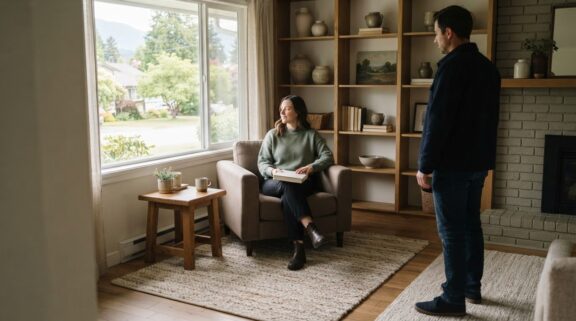
It’s natural to hope buyers feel an instant spark. But connection can also grow as they move through rooms that suit familiar routines, from a living room arranged for conversation to a quiet reading corner. The goal isn’t to make a home look perfect. It’s to help buyers picture how it could support a life of their own.
This article explores how cohesive presentation, natural light, a welcoming entry and carefully staged rooms can help buyers connect with a home. Small, intentional choices shape the viewing experience, whether a buyer feels drawn in at first glance or warms to the property as they explore.
Key Takeaways
- Pair a home’s emotional appeal with a clear-eyed look at its condition, costs and fit for your needs.
- Use uncluttered, thoughtfully arranged rooms to help buyers picture their own routines in the space.
- Make the entrance feel welcoming and use natural and warm lighting to shape the mood.
- Arrange key rooms to suggest how everyday life could unfold, from conversation to quiet moments.
1. What Makes Buyers Emotionally Connect With a Home?
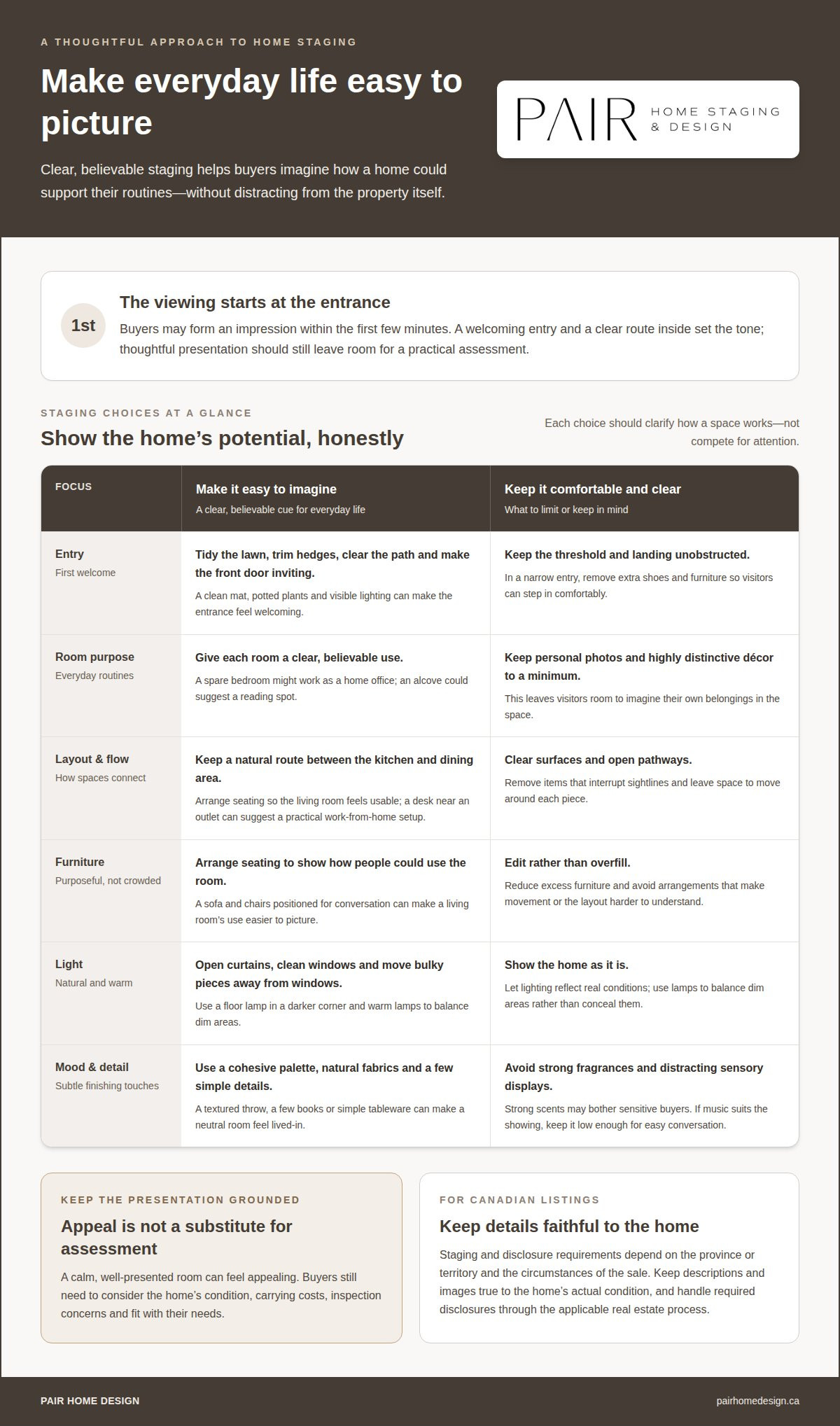
Buyers may form an impression within the first few minutes of a showing. That response can matter in a competitive market, but it shouldn’t replace a practical assessment. A calm, well-presented living room may feel appealing; buyers still need to consider the property’s condition, carrying costs, inspection concerns and fit with their needs. Thoughtful presentation helps a home feel possible without obscuring important decisions.
Start outside. Tidy the lawn, trim hedges, clear the path and make the entrance inviting. A clean welcome mat, potted plants and a freshly painted front door offer a clear welcome before buyers step inside. Choose seasonal details that suit the setting, and keep the entry unobstructed. These touches help the exterior and interior feel like parts of the same home.
Then consider the senses. Warm lighting and natural fabrics can make rooms feel comfortable, while fresh flowers add a simple, lived-in touch. Avoid strong fragrances, which may bother sensitive buyers. If gentle instrumental music suits the showing, keep it low enough for easy conversation. Aim for a pleasant atmosphere, not a sensory display that distracts from the home.
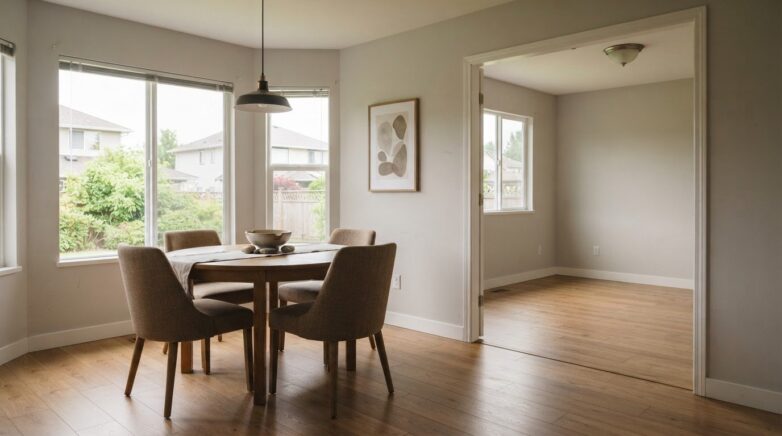
For a Canadian listing, staging and disclosure requirements depend on the province or territory and the circumstances of the sale. Keep property descriptions and images faithful to the home’s actual condition, and handle required disclosures through the applicable real estate process. Listing photos and descriptions can show the home’s light, layout and welcoming details. For instance, a clear image of a bright dining area helps buyers picture hosting there. Choose specific, accurate descriptions rather than promising a lifestyle the property may not support.
2. Helping buyers imagine everyday life in the home
Buying a home can feel emotionally intense because practical choices come with hopes for belonging, stability and new routines. Buyers may weigh commute, privacy and room for family while noticing whether a property feels comfortable. Learning how to make buyers emotionally connect to a house starts with showing how its features could support real, everyday routines.
Give each room a clear, believable purpose. A spare bedroom might work as a home office, while an alcove could suggest a reading spot. Keep personal photos and highly distinctive décor to a minimum so visitors can imagine their own belongings there. Clear surfaces and open pathways make the layout easier to understand.
Show how spaces work together, not just their square footage. Keep a natural route between the kitchen and dining area, for example, and arrange seating to make the living room feel usable. A desk near an outlet can suggest a practical work-from-home setup. For sellers thinking about how to make buyers emotionally connect to a house, these credible details make its potential easier to picture.
At an open house, visitors can explore at their own pace; a private showing can offer a quieter setting to focus on details. In either case, purposeful furnishings and a clear layout help buyers consider how their routines might fit. Real estate professionals frequently emphasize this balance during walkthroughs; whether consulting a trusted realtor in Apple Valley CA or an expert in your own neighbourhood, an agent’s guidance helps showcase how spaces truly function.
To create a calm, spacious feel, edit rather than overfill. Remove items that interrupt sightlines, reduce excess furniture and leave room to move around each piece. A neutral palette can still feel lived-in with a textured throw, a few books or simple tableware. Every detail should support the room’s purpose rather than compete for attention.
Connect practical needs with possibility. A dining table set for an everyday meal suggests a believable routine more readily than elaborate décor. Buyers can consider whether the home suits the way they live, from working at home to hosting friends.
3. Natural light and a welcoming entry
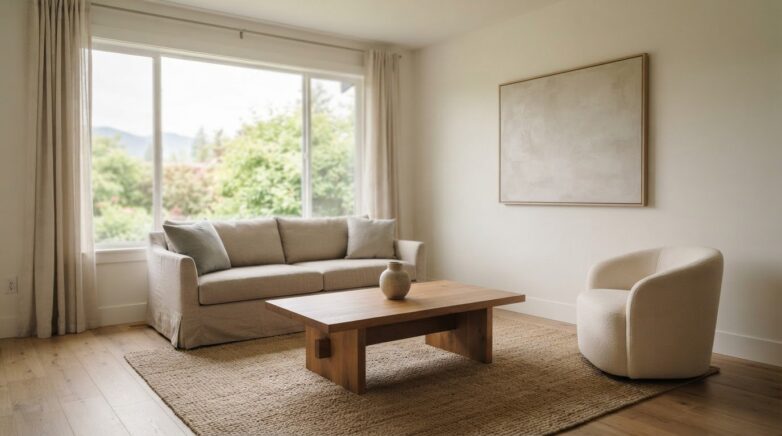
Natural light can make a room feel airy and lift its overall mood. Open curtains, clean windows and move bulky pieces away from windows. In a darker corner, a floor lamp can soften shadows and make the layout easier to read. These simple adjustments show the room as it is while helping buyers notice its best features.
Balance daylight with warm evening lighting. A table lamp beside a sofa or a softly lit dining area adds comfort without making the home feel arranged for just one moment. Choose bulbs with a consistent tone in connected rooms. In a modern interior, consistent lighting can make the transition from kitchen to living room feel calm and considered.
Colour also shapes the experience. Soft blues and greens can lend a restful feel to a bedroom, while warm tones such as terracotta or soft gold can make an entry feel grounded. Use colour with restraint: a cushion or small artwork can add warmth without overwhelming the room. Keep the palette cohesive as buyers move through the home.
At the front door, clear the threshold and make the route inside easy to follow. A clean mat, uncluttered landing and visible lighting create a welcoming first impression. If the entry is narrow, remove extra shoes and furniture so visitors can step in comfortably. This can make a noticeable difference without a major update.
Lighting, colour, scent and temperature all affect how comfortable a viewing feels. Daylight and warm lamps can make rooms more inviting, while soft colours support a calm mood. Keep fragrances subtle, as strong scents can distract or bother sensitive visitors. A comfortable temperature lets buyers focus on the property rather than feeling too cold or warm.
Let the lighting reflect the home’s real conditions. Open blinds for a daytime showing, then use lamps to balance dim areas rather than conceal them. This honest, layered approach helps buyers understand the space in different light and imagine how it may feel throughout the day.
4. Staging furniture and rooms to suggest everyday life
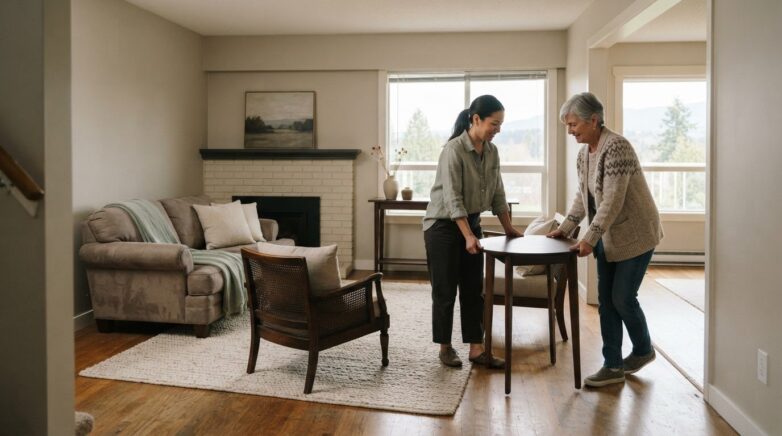
Furniture gives buyers a practical sense of how a home works. In real estate staging, effective changes often clarify a room’s purpose and improve its flow. A sofa and chairs angled for conversation show how a living room can be used. In the kitchen, a clear counter and a simple coffee setting suggest daily function without hiding workspace.
Focus on the spaces buyers need to understand. A dining table can define an open area, while a bed and compact side tables show the usable scale of a bedroom. Keep pathways clear and leave breathing room around furniture. These choices can strengthen buyer appeal, but staging alone can’t establish a sale price or guarantee a particular result.
Adapt the approach to the property and its setting. In a compact condo, choose appropriately scaled pieces that preserve circulation; in a detached home, define connected areas without blocking sightlines. For a Canadian winter listing, a textured throw and warm-toned accessories can suggest comfort. In warmer seasons, lighter fabrics and a simple outdoor dining arrangement can connect indoor spaces with the garden—an approach frequently highlighted on coastal real estate sites such as krissyinthekeys.com, where indoor-outdoor flow helps prospective buyers picture a relaxed lifestyle.
Some choices can backfire. Oversized furniture may make rooms feel cramped, while too many accessories compete with the home’s features. Highly personal décor can make it harder for visitors to picture their own belongings there. Keep the design composed and functional, with every piece earning its place.
Thoughtful home staging brings these decisions together, from furniture scale to the way rooms connect. A focused plan can help the property feel welcoming while keeping its real layout clear. Explore home staging support for a considered presentation of your listing.
The most effective changes clarify each room’s purpose and keep movement easy: choose appropriately scaled furniture, leave clear pathways and open space, and limit accessories or personal décor that distract from the home. These choices can strengthen buyer appeal, but staging alone can’t determine or guarantee a sale price.
Pair Home Design
Pair Home Design helps sellers bring a home’s strengths together in a cohesive, welcoming presentation buyers can picture themselves in. For a home preparing to go on the market, a consultation can identify where presentation needs attention, while Home Staging and Home Styling create a considered look and feel. Realtors can also use The Agent’s Edge to help prepare a listing for a strong, authentic first impression.
The right approach depends on the property, its furnishings and the story its spaces can tell. Whether the goal is to clarify the layout, bring warmth to key rooms or create a more polished overall feel, thoughtful guidance can connect design choices with the buyer’s experience.
Contact Pair Home Design to discuss presenting your home with intention.
Give buyers room to see what’s possible
The most memorable presentation doesn’t prescribe a buyer’s future. It leaves space for them to imagine their own routines, priorities and personal touches taking shape in the home. That balance is central to how to make buyers emotionally connect to a house: create an atmosphere with intention while keeping the property authentic and its possibilities open-ended.
As you prepare to sell, consider what visitors should understand about the home beyond its features. A thoughtful design approach can bring that story into focus and make the viewing feel cohesive, personal and easy to navigate. Pair Home Design can shape the presentation around the property and the impression you hope to create.
Talk with Pair Home Design about your listing and take the next step toward a welcoming, considered presentation.
Frequently Asked Questions
Love at First Sight or Slow Burn?
Either response can be genuine: a home may feel right immediately or grow on buyers as they consider its details. An instant spark is a feeling, not a substitute for assessing condition, affordability and fit. A slower connection may develop as buyers picture their routines there. Encourage thoughtful consideration so emotion informs the decision without becoming the only reason to proceed.
What Makes Buyers Emotionally Connect With a Home?
Buyers connect when a home aligns with what they value, such as privacy, togetherness or stability. A quiet bedroom may matter to someone who works shifts, while a welcoming dining area may resonate with a family that gathers for meals. These associations are personal. A genuine presentation gives visitors room to notice which features matter to them.
What Makes a House a Home?
A house becomes a home through the comfort, routines and personal meaning its residents build there. A favourite chair by a window, a familiar place to share meals or a corner for hobbies can make an ordinary room feel significant. Buyers may respond to these possibilities, but the meaning ultimately comes from the people who live there, not décor alone.
What makes homebuyers feel emotionally connected to a house?
Connection often comes from imagining a home supporting a buyer’s priorities, whether that means quiet, time with family or room for a hobby. To assess that feeling, picture a typical weekday, not just a special occasion. Consider where you would unwind, store everyday items and handle daily tasks. This mental picture can reveal whether the home fits your life.
How can sellers stage a home to help buyers picture themselves living there?
Stage around the property’s strongest practical features, not an imagined buyer’s personal story. In a vacant condo, for example, a properly scaled dining set can show where meals might happen without crowding the room. In an occupied home, editing furnishings can reveal storage, circulation and flexible use. Keep the presentation true to the actual layout and condition.
How can sellers make a home feel welcoming without overpersonalizing it?
Use a few familiar, broadly appealing details while keeping personal identity in the background. A simple bowl on an entry table or a neatly folded throw can add warmth without making visitors feel they’re entering someone else’s private life. Whether the property is in Chilliwack, Abbotsford, Hope, Mission, Langley, Maple Ridge, Coquitlam, Surrey, Burnaby or Vancouver, let its character guide the choices.