10 Essential Open House Staging Tips for BC Sellers in 2026
The moment a potential buyer steps across your threshold, they aren’t just looking at floorboards and light fixtures. They are auditioning a new life. It’s a high-stakes introduction that can feel overwhelming, especially when you’re balancing the fear of your home sitting on the market with the uncertainty of what to hide and what to highlight. You want your space to feel intentional and sophisticated, yet you worry that depersonalizing will leave the rooms feeling cold and hollow. These professional open house staging tips are designed to bridge that gap, helping you transform your property into a sanctuary that resonates emotionally with every visitor.
We realize that your home is your most significant asset, and preparing it for the 2026 BC market requires a blend of strategic design and practical logic. By focusing on how a room feels rather than just how it looks, you can secure a faster sale at a higher price point without the stress of a full renovation. This guide provides a clear, manageable plan to help you organize your space and curate an aspirational lifestyle that Fraser Valley buyers will find irresistible. From mastering the flow of your living room to the subtle art of a professional home consult, we’ll show you how to elevate your property for a successful sale.
Key Takeaways
- Master the “Three-Second Rule” to captivate buyers instantly by blending professional expertise with a warm, inviting atmosphere.
- Prioritize high-impact “money rooms” like the kitchen and living area to maximize floor space and create a seamless flow for foot traffic.
- Elevate your home beyond the visual with sensory staging strategies that use light and texture to evoke a sense of comfort and possibility.
- Implement a practical 30-minute reset routine to maintain a polished, market-ready home while still living in the listing.
- Discover how professional open house staging tips and curated inventory can help you achieve a faster sale at a higher price point in the Fraser Valley market.
The Psychology of a First Impression: Why Open House Staging Works
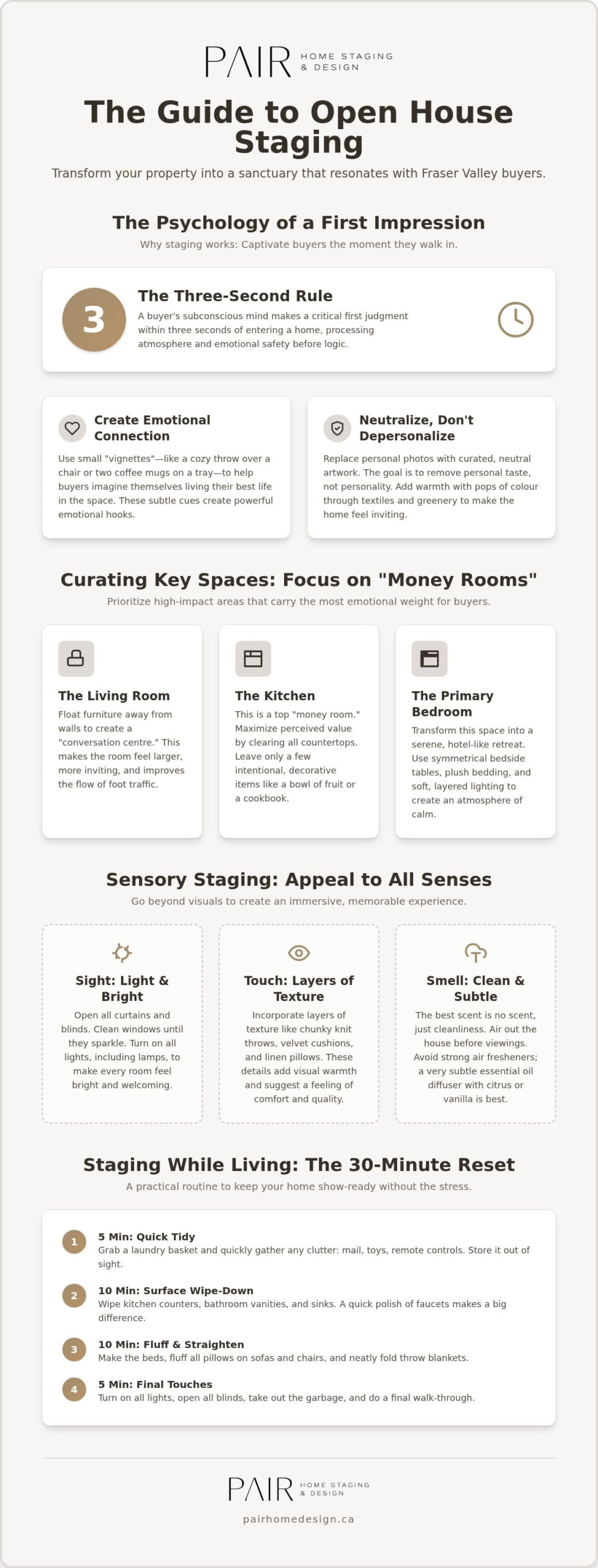
Buyers make up their minds about a property almost the moment they cross the threshold. This phenomenon, often called the “Three-Second Rule,” suggests that the subconscious mind processes atmosphere and emotional safety long before the conscious mind begins evaluating square footage or kitchen appliances. When you prepare your home for sale, you aren’t just tidying up; you are performing a strategic psychological reset. By understanding what home staging is from a behavioural perspective, you can influence how a visitor perceives the value and potential of your space. Effective open house staging tips focus on this immediate impact, ensuring that the first breath a buyer takes inside your home feels like a sigh of relief.
The goal is to strike a delicate balance between high-end professional expertise and a warm, approachable sensibility. In the 2026 BC market, buyers aren’t looking for a cold, clinical showroom. They are seeking a sanctuary that reflects the curated, intentional lifestyle of the Pacific Northwest. This involves “lifestyle curation,” where every piece of furniture and every accessory tells a story of comfort, quality, and balance. It’s about moving beyond the idea of “hiding your life” and instead presenting a version of it that feels both aspirational and achievable.
Creating an Emotional Connection
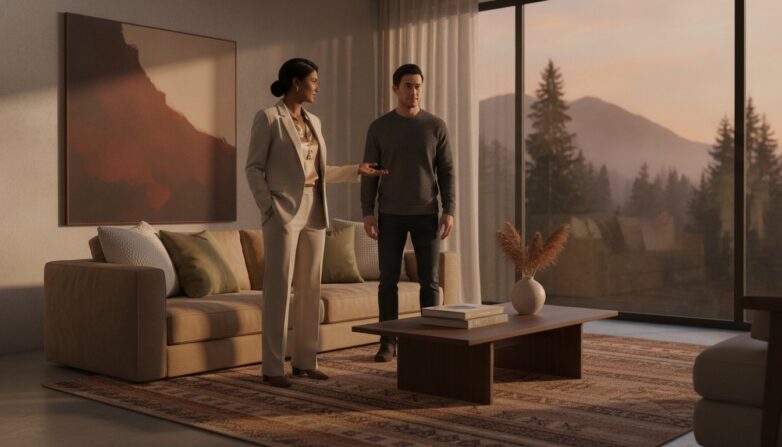
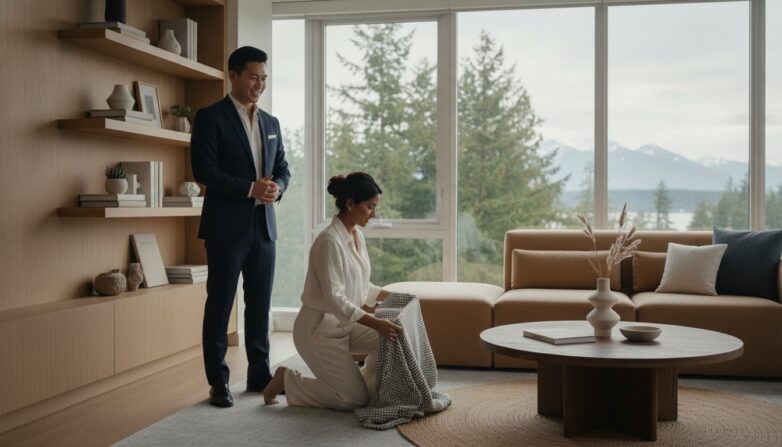
Emotional resonance is the secret weapon of a successful sale. We use small “vignettes” to guide a buyer’s imagination, such as a perfectly placed throw blanket over a reading chair or a tray with two coffee mugs on a sun-drenched patio table. These subtle cues act as hooks, allowing visitors to see themselves living their best lives in your rooms. A neutral palette serves as the canvas for these stories, providing a sense of calm that lets a buyer’s own furniture and memories fit into the frame. To identify these specific emotional triggers in your own property, a professional home staging consultation in Chilliwack can offer a fresh perspective on which features will most captivate local buyers.
Neutralizing vs. Depersonalizing
There is a common misconception that staging means making a home feel empty. In reality, an empty room often feels smaller and more confusing to the eye. We focus on neutralizing the space rather than stripping it of its soul. This means replacing highly personal items, like family photo galleries, with curated, neutral artwork that acts as “bridge” decor. These pieces are designed to appeal to a wide demographic, bridging the gap between different tastes and styles. We also utilize strategic pops of colour through textiles or greenery to add warmth. This ensures the home feels inviting and lived-in without being polarizing, creating a polished environment where any buyer can feel instantly at ease.
Curating Key Spaces: A Room-by-Room Staging Strategy
Effective open house staging tips often begin with a simple truth: you don’t need to reinvent every corner of your home to make a lasting impact. Instead, focus your energy on the “money rooms.” These are the living room, the kitchen, and the primary bedroom. These spaces carry the most emotional weight and often dictate the perceived value of the entire property. By maximizing floor space and improving the flow of foot traffic, you allow buyers to move through the home without feeling cramped or hindered. This sense of ease is essential for a positive viewing experience.
Highlighting architectural features is equally vital. If you have a stunning fireplace or a view of the Fraser Valley, arrange your furniture to draw the eye toward those assets. Every room must have a clear, singular purpose. If you have a “junk room” or a flex space that has become a catch-all, it’s time to transform it into a functional office or a cozy reading nook. This clarity helps buyers understand how they can utilize every square foot of their potential new home.
The Living Room: Creating a Conversation Centre
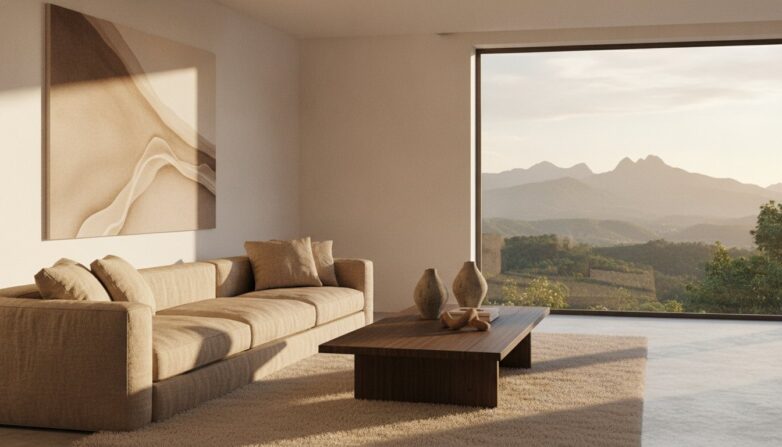
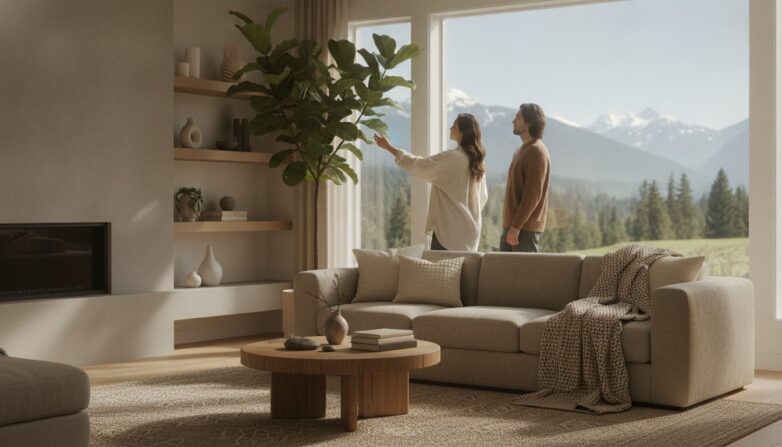
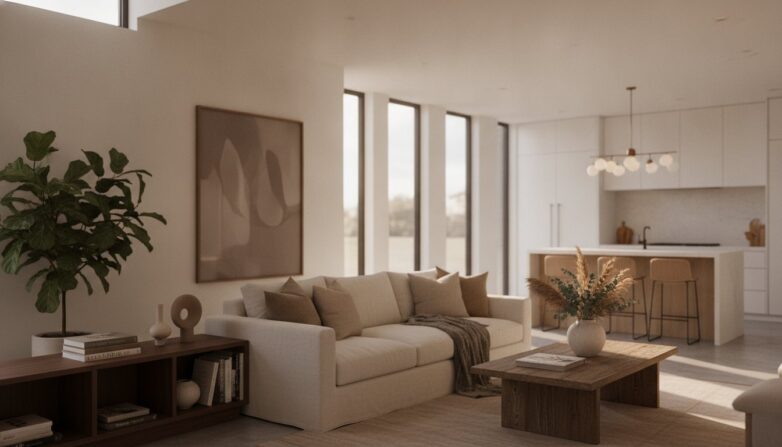
The living room should feel like the social anchor of the home. We recommend floating furniture away from the walls to create an airy, spacious feel that invites movement. This layout establishes a conversation centre, which is a specific furniture arrangement designed to encourage social interaction and comfort. Use textural layers, such as chunky knit throws and linen pillows, to add a sense of sophisticated warmth. This approach helps buyers imagine themselves hosting friends or relaxing after a long day in a space that feels curated yet comfortable.
The Primary Suite: Selling the Dream of Rest
In the primary bedroom, your goal is to sell the dream of a peaceful retreat. Style your bedding to mimic the look of a high-end hotel by using crisp linens and layered duvets. Nightstands should be cleared of personal items, leaving only a simple lamp and perhaps one curated book. Storage is a major selling point, so we suggest the “50% empty” rule for closets. By removing half of your clothing, you create the illusion of abundant storage space. This strategy is backed by data on the value of home staging, which shows that well-organized storage areas significantly influence buyer decisions.
Kitchen and Dining: The Heart of the Home
The kitchen is where life happens, but for an open house, it needs to look effortless. Follow the “clear counters” mandate by hiding small appliances and leaving only one or two high-end items, like a designer espresso machine. A simple table setting can suggest a hosted dinner party without feeling cluttered. Add a touch of life with a bowl of fresh citrus or a vase of greenery. If you find yourself unsure which pieces to keep or hide, professional home styling can help refine these details to ensure your home feels perfectly balanced and ready for its close-up.
Sensory Staging: Appealing to Every Buyer’s Senses
While furniture placement is fundamental, the most effective open house staging tips address the invisible elements of a home. Staging is more than a visual arrangement; it is an atmospheric experience designed to make a buyer want to linger. When a visitor feels comfortable on a sensory level, they are more likely to form a positive emotional connection with the property. This involves a strategic orchestration of light, scent, sound, and temperature to create a space that feels like a sanctuary from the moment they step inside. Our goal is to remove any friction that might cause a buyer to feel rushed or distracted.
Lighting Strategy: Brightening the Fraser Valley Gloom
In British Columbia, we often contend with grey, overcast skies that can make even the most beautiful interiors feel dim. To combat this, we utilize three distinct layers of lighting: ambient, task, and accent. Ambient lighting provides the general glow, while task lighting illuminates specific areas like kitchen islands or reading nooks. Accent lighting draws the eye to architectural details or artwork. We recommend replacing dated bulbs with high-CRI (Colour Rendering Index) LED bulbs. These bulbs ensure that the colours in your home appear true and vibrant rather than muddy or yellowed. Before any showing, ensure all blinds are open and windows are professionally cleaned to invite every possible drop of natural light into the space.
Scent, Sound, and Temperature
The “scent trap” is a common pitfall for many sellers. Heavy floral candles or overpowering air fresheners often signal to a buyer that you are trying to mask an unpleasant odour. Instead, we suggest using “clean” scents like citrus, eucalyptus, or white tea. These aromas feel fresh and sophisticated without being intrusive. Sound also plays a vital role in setting the tone. Low-volume, instrumental background music can mask street noise and provide a calming rhythm for the tour. Choose something neutral and rhythmic that doesn’t demand attention but fills the silence.
Finally, never underestimate the power of a comfortable climate. Maintaining a steady temperature of 21°C (70°F) ensures that buyers don’t feel the need to keep their coats on or, conversely, feel claustrophobic from the heat. A well-regulated environment encourages visitors to slow down and truly imagine themselves living in the home. By addressing these sensory details, you transform a house from a mere listing into an inviting, market-ready experience that resonates with the sophisticated BC buyer.
Staging While Living in Your Home: The 30-Minute Reset
Maintaining a market-ready home while navigating daily life is a delicate balancing act. It can feel exhausting to keep every cushion plumped and every counter gleaming when you are managing school runs, work deadlines, and family dinners. We understand that “real life” doesn’t stop just because your house is on the market. These open house staging tips focus on a sustainable approach, allowing you to live comfortably while remaining ready for a showing at a moment’s notice. The key is a strategic system that transforms your space from “lived-in” to “polished” in under half an hour.
The “Go-Bag” and Quick-Clear Method
Efficiency is your best ally during a busy week of showings. We recommend keeping several large laundry baskets tucked away in a closet for a “Quick-Clear” sweep. When the phone rings with a viewing request, gather all personal items, such as mail, chargers, and stray shoes, into these baskets and place them in the trunk of your car. This removes the visual clutter instantly without the stress of finding a permanent home for every item.
- Implement a 10-minute bathroom refresh by swapping used towels for a fresh, white set and hiding all daily toiletries in a lidded bin under the sink.
- Follow the “one-surface” rule: ensure only one high-quality decorative item, like a ceramic vase or a curated candle, remains on any flat surface.
- Ensure the kitchen sink is completely empty and wiped dry to suggest a low-maintenance lifestyle.
Managing Pets and Kids’ Gear
For families with children or pets, the challenge is often managing the volume of gear that accumulates in common areas. We suggest storing large toys in off-site storage or within neutral, lidded bins that blend into your decor. Deep cleaning your carpets is a non-negotiable step to remove pet odours and dander that you might have become “nose-blind” to over time. During actual open house hours, remove all pet bowls, beds, and litter boxes to ensure the space feels neutral and fresh. This allows the buyer to focus on the architecture rather than the logistics of your household.
Don’t forget that the first impression starts at the curb. Ensure the lawn is mown, the walkway is clear of stray toys, and the front door is wiped clean. A fresh doormat and a simple pot of seasonal greenery can elevate the entire entry experience, signalling to buyers that the home has been meticulously maintained. If you are feeling overwhelmed by the process of preparing your occupied property, our expert home staging services provide a customized roadmap to make your sale as seamless as possible.
Professional Staging vs. DIY: Maximizing Your Listing’s Potential
While many homeowners attempt to prepare their property independently, the difference between a DIY effort and professional execution often shows in the final sale price. DIY staging is naturally limited by the furniture you already own. A professional stager, however, brings a curated warehouse of rental inventory designed specifically to appeal to current market trends. This professional touch transforms a dated room into a contemporary sanctuary, helping you realize the full financial potential of your asset. By utilizing high-end pieces that scale perfectly to your floor plan, professional staging significantly reduces the “Days on Market” metric, ensuring your home doesn’t sit stagnant while competitors sell.
In the 2026 BC market, the choice between staging vs virtual staging for realtors has become a critical strategic decision. While virtual images can attract clicks online, they often lead to disappointment when a buyer walks into an empty or poorly furnished space. Physical staging maintains the emotional connection established in the listing photos, providing a tangible experience that virtual alternatives simply cannot match. For realtors looking to provide a seamless experience for their clients, agent staging packages in BC offer a consistent, high-quality result that builds trust and streamlines the listing process. These open house staging tips are most effective when supported by a professional eye for detail and a strategic design plan.
When to Call a Professional Stager in BC
Identifying when your home needs more than just a quick tidy is essential. Professional stagers are particularly valuable for “problem rooms” where awkward layouts or oversized furniture make a space feel smaller than it is. They act as an objective third party, providing a neutral perspective on sensitive issues like pet odours or dated decor that a homeowner might overlook. Using curated inventory allows you to modernize your home without the expense of a full renovation. This strategic partnership ensures every room is elevated to meet the expectations of sophisticated Fraser Valley buyers.
The Final Open House Morning Checklist
Success on open house day often comes down to the final hour of preparation. Use this checklist to ensure your home is ready for its first visitor:
- Turn on every single light in the house, including lamps and under-cabinet lighting, and replace any burnt-out bulbs immediately.
- Perform a final walkthrough to ensure all toilet lids are down, trash bins are empty, and personal items are hidden.
- Set the thermostat to a comfortable 21°C (70°F) to ensure visitors don’t feel rushed by the cold or heat.
- Unlock the front door for your realtor five minutes early and leave a clear, welcoming path through the entryway.
Transforming Potential into a Polished Sale
Preparing your home for the 2026 market is about more than just aesthetics; it’s about creating a sense of possibility for every visitor. By mastering these open house staging tips, you move beyond mere tidying to perform a strategic psychological reset. Whether you are optimizing the flow of your living room or using sensory cues to combat the grey BC skies, every detail works to secure that vital first impression. You now have the tools to manage your listing with confidence, from the initial “money room” curation to the final morning checklist.
As a dedicated RESA member serving homeowners from Chilliwack to Vancouver, Pair Home Design is your partner in this transformation. We provide customized staging for both occupied and vacant homes, ensuring your property feels intentional and inviting. To elevate your listing and maximize your return, book your pre-listing staging consultation with Pair Home Design today. Your home has a beautiful story to tell, and we are here to help buyers see themselves as the next chapter.
Frequently Asked Questions
How much does it cost to stage a house for an open house in BC?
Pricing for staging in the Fraser Valley varies based on the size of the property and whether you require a full setup for a vacant home or a styling session for an occupied one. Most professionals offer project-based fees that cover the selection and placement of curated rental inventory. Investing in a professional home consult is a cost-effective way to receive a tailored plan that identifies exactly where to focus your resources for the highest impact.
Can I stage my home myself or should I hire a professional?
While you can certainly declutter and clean on your own, a professional stager provides a strategic advantage by using design-forward inventory that most homeowners don’t have access to. We act as an objective third party to identify “problem rooms” and awkward layouts that might deter buyers. Professional open house staging tips involve more than just tidying; they involve curating an aspirational lifestyle that resonates emotionally with a wide range of potential buyers across British Columbia.
What are the most important rooms to stage before an open house?
Focus your energy on the “money rooms,” which include the living room, kitchen, and primary suite. These spaces are where buyers spend the most time during a viewing and are the primary drivers of emotional connection. Ensuring these rooms have a clear, singular purpose and a sense of sophisticated comfort is essential. Highlighting architectural features like a fireplace or a view of the local mountains in these key areas will significantly elevate the perceived value of your listing.
How do I stage my home if I have pets and children?
Staging with a busy household requires a sustainable system like the “Quick-Clear” method we discussed earlier. Use lidded, neutral bins to hide toys and pet gear, and ensure all pet bowls and beds are removed during actual open house hours. Deep cleaning carpets is vital to eliminate dander and odours that homeowners often become nose-blind to. These practical open house staging tips allow you to maintain a market-ready home while still managing the daily needs of your family in the Fraser Valley.
Should I leave my house during the open house?
It is highly recommended that you leave the property during an open house. When owners are present, buyers often feel like intruders rather than guests, which prevents them from truly imagining themselves living in the space. Stepping away allows potential buyers to speak freely with the realtor and explore the home’s features at their own pace. This creates a relaxed environment that encourages visitors to linger and form a deeper connection with your property.
What is the difference between home staging and interior decorating?
Home staging is a marketing tool designed to appeal to a broad demographic of buyers by neutralizing personal tastes and highlighting a home’s best features. In contrast, interior decorating is focused on the personal comfort and specific aesthetic preferences of the current resident. While decorating makes a house feel like “your” home, staging transforms it into a polished product that invites someone else to see it as “their” future sanctuary.
How long does the staging process typically take before listing?
The staging timeline depends on the scope of the project, but we generally recommend starting at least two to three weeks before your listing date. A professional consultation can happen quickly to set the plan in motion, while full staging for a vacant home usually takes one to two days for installation. Allowing this lead time ensures every detail, from fresh towels to curated artwork and true-to-life colour, is perfectly in place before the real estate photographer arrives.
Does staging really help a house sell for more money in the Fraser Valley?
Staging is widely recognized as a high-ROI strategy for sellers from Chilliwack to Vancouver. By presenting a home that feels move-in ready and aspirational, you reduce the likelihood of buyers requesting price reductions for perceived repairs or updates. A well-staged home often attracts more competitive offers and sells faster than unstaged properties in the same neighbourhood. This professional presentation signals to buyers that the home has been meticulously cared for and is worth the investment.