Home staging process: What to repair, arrange and prepare
A sale-ready home doesn’t need to look brand new. It should feel cared for, clear and easy to imagine living in. The home staging process for sellers highlights a property’s strengths through practical repairs, thoughtful furniture placement and careful preparation, not a full renovation.
It’s natural to wonder whether staging means replacing your furniture or making every room look like a magazine spread. Often, the most useful changes are practical: fix visible wear, remove excess belongings and arrange each space to show how it works. The home should still feel like itself, just more open and inviting to potential buyers.
This guide explains what home staging involves and how to prepare, from choosing small repairs to arranging furniture and refreshing rooms before a sale. You’ll also find straightforward tips for decluttering, cleaning and making a welcoming first impression, so you can focus your effort where it matters most.
Key Takeaways
- Home staging presents a property’s strengths and helps buyers picture themselves living there. Start by clearing shelves, bookcases and closets so the rooms feel open and purposeful.
- Prioritize visible wear, such as damaged walls or broken fixtures, before focusing on decorative updates.
- Arrange only the furniture that supports each room’s function, leaving clear pathways and sightlines to help spaces feel more spacious.
- Finish with a thorough clean, fresh air and a few considered touches; a home consultation can help shape a practical preparation plan.
1. But what is home staging exactly?
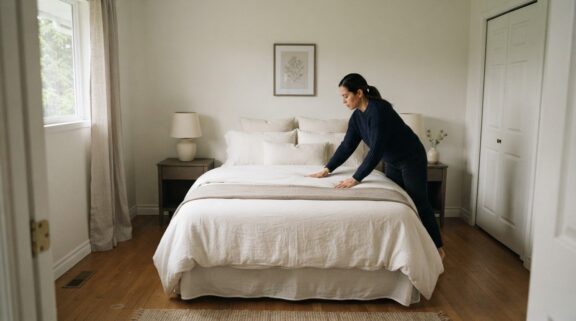
Home staging prepares a property to show its strengths and help buyers imagine living there. It isn’t a renovation or a contest to follow the latest design trend. Instead, decluttering, thoughtful furniture placement and considered details make each room’s purpose easier to see. In a bedroom, for example, clear the bedside tables and keep the bed as the visual focus.
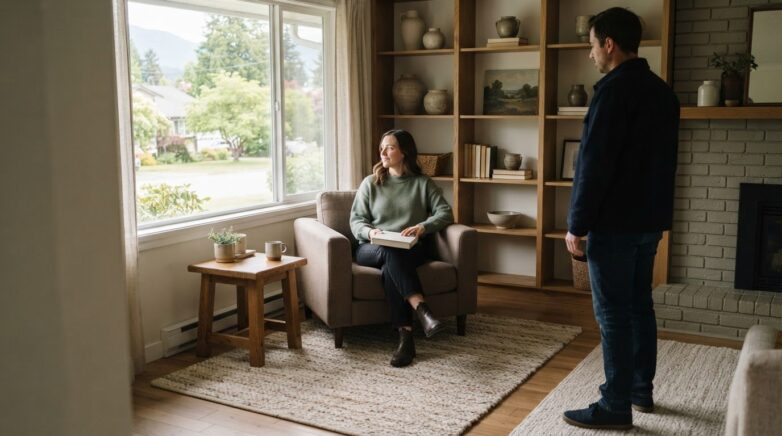
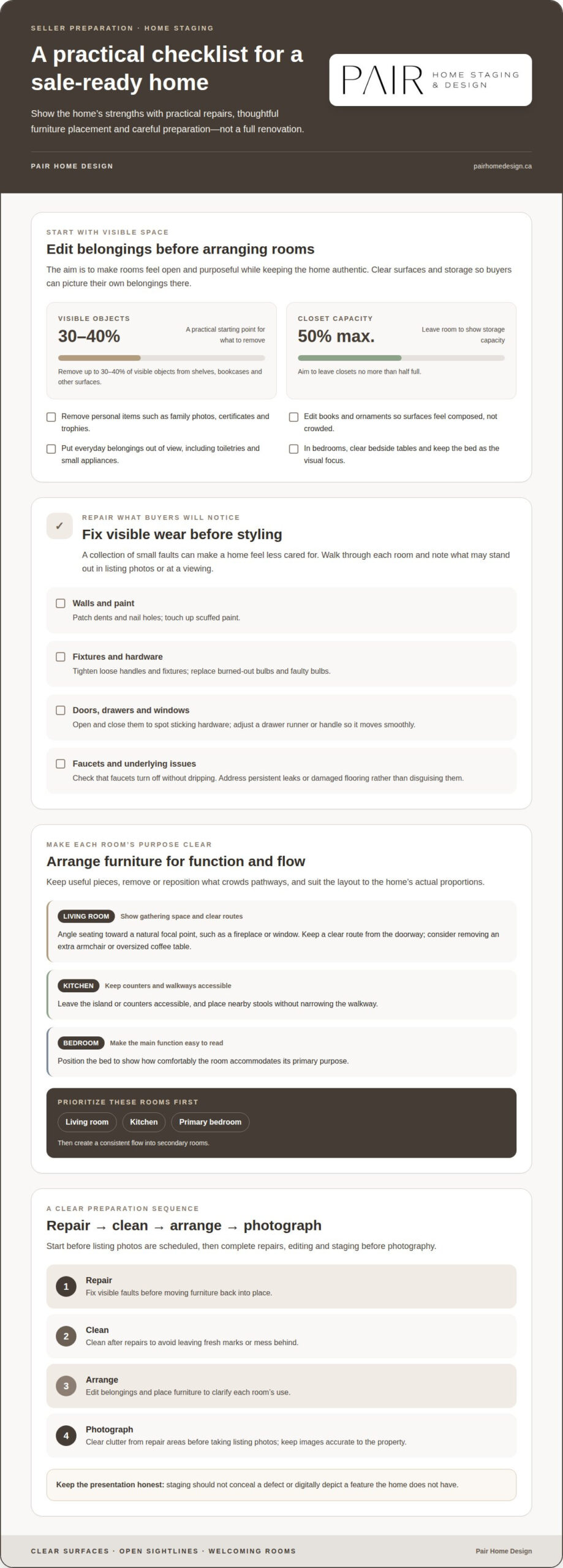
Begin with shelves, bookcases and closets. Remove personal items such as family photos, certificates and trophies, then edit books and ornaments so the surfaces feel composed rather than crowded. Keep everyday belongings out of view, including toiletries on bathroom counters and small appliances on kitchen counters. A staged home should still feel authentic, but buyers need room to picture their own belongings in it. A practical starting point is removing up to 30-40% of visible objects. For closets, aim to leave them no more than 50% full, so their storage capacity is easier to appreciate.
Virtual staging changes listing photos digitally; physical staging arranges actual furniture and accessories in the property. Their prices depend on different project factors, so there’s no reliable, universal comparison. The price depends on the project and is provided after a quote request; image editing, room count, furnishings and preparation needs shape the scope.
Who pays depends on the agreement: the seller, real estate agent or brokerage may cover the cost, or they may share it. Put the arrangement in writing before staging begins. In Canada, disclosure requirements vary by province or territory and property circumstances. Staging shouldn’t conceal a defect or digitally depict a feature the home doesn’t have; listing images should reflect the property accurately.
Preparation time depends on the home’s condition, how much needs to be decluttered and whether furniture needs to be brought in. Start before listing photos are scheduled, then complete repairs, editing and staging before photography. This sequence gives buyers a consistent impression, from the first image to an in-person viewing. For sellers seeking inspiration on how well-prepared spaces translate into photography, exploring active market listings through agencies such as Ollie James Real Estate can illustrate how clean, purposeful presentation helps homes stand out to prospective buyers.
Keep the goal simple: create clear surfaces, open sightlines and welcoming rooms without stripping away the home’s character. That makes decluttering purposeful, whether you’re preparing a compact bedroom, a book-filled study or a family home with personal items in every room.
2. Making simple repairs and enhancements
Before listing, address visible faults that can distract buyers from a home’s strengths. A dripping kitchen faucet, loose cabinet handle or cracked switch plate may seem minor, but several small defects can make a property feel less cared for. Walk through each room, note what needs repair and prioritize issues buyers will notice in listing photos or during a viewing.
Start with surfaces and fixtures. Patch dents or nail holes in the walls, touch up scuffed paint, tighten loose door handles and replace burned-out bulbs. If a drawer sticks, adjust its runner or handle so it opens smoothly. Check that doors close properly and faucets turn off without dripping. These practical fixes help buyers focus on the home rather than wonder what else needs attention.
Keep the sequence simple: repair first, clean next, then arrange and photograph. For example, patch a marked hallway wall before moving furniture back, so the repair isn’t hidden behind a console table. Fix a loose bathroom towel bar before cleaning to avoid leaving fresh marks on the wall. For anything beyond routine maintenance, such as a persistent leak or damaged flooring, address the underlying issue instead of disguising it with decorating.
Use a focused checklist to keep selling preparation manageable:
- Test each light switch and replace faulty bulbs.
- Open and close doors, drawers and windows to spot sticking hardware.
- Look for chipped paint, wall dents and loose fixtures in every room.
- Clear clutter from the repair area before taking listing photos.
These details won’t change the home’s layout, but they can highlight its care and make it easier for buyers to envision everyday life there. For a considered view of how repairs support presentation, explore pre-listing home presentation.
3. Furniture arrangement and room function
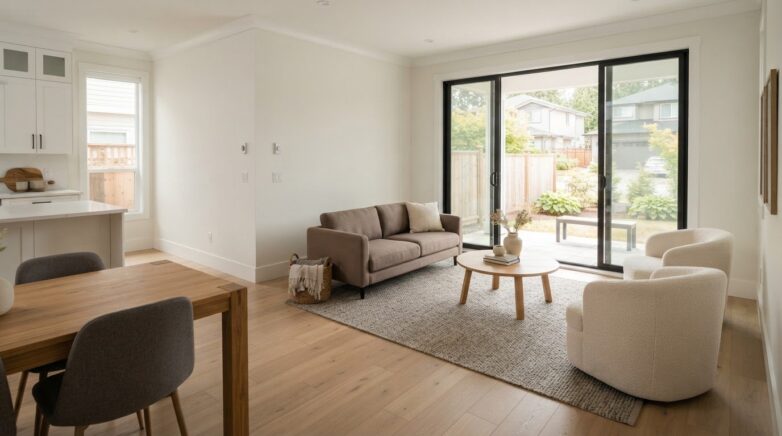
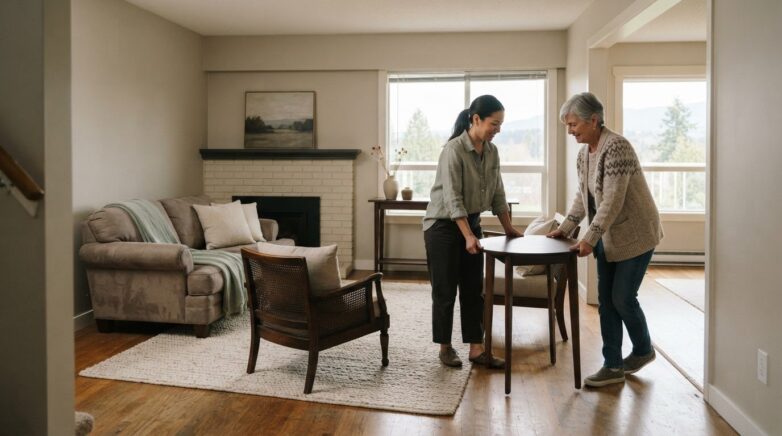
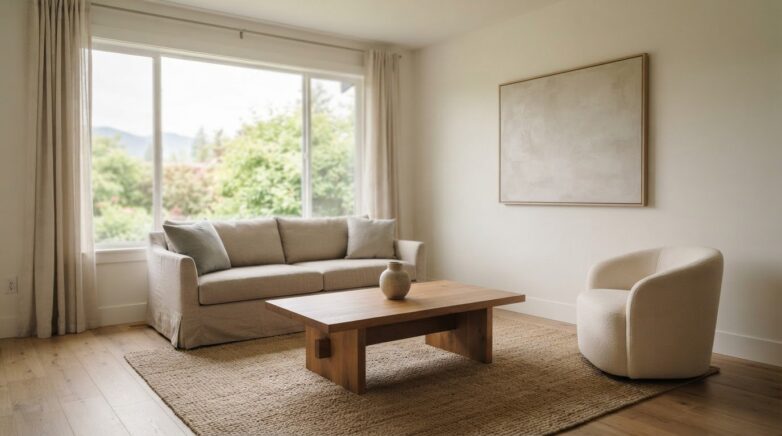
Furniture should clarify how each room works, not simply fill the floor. In a living room, angle seating toward a natural focal point, such as a fireplace or window, while keeping a clear route from the doorway. Removing an extra armchair or oversized coffee table can open sightlines and help buyers understand the room’s proportions. A thoughtful layout also lets natural light reach further into the interior.
In a kitchen, keep the island or counters accessible and arrange nearby stools without narrowing the walkway. In a bedroom, position the bed to show how comfortably the room accommodates its main function. These choices help buyers picture themselves living there, rather than noticing furniture that blocks movement. A staged home should feel usable both in person and in photos.
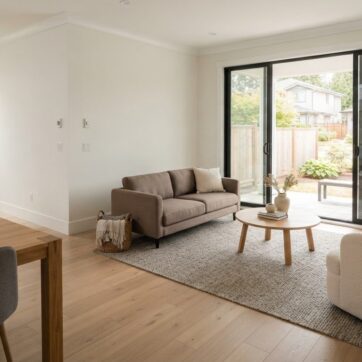
Condos often need careful editing because bulky pieces stand out in limited floor space; vacant homes benefit from selected furniture that shows scale and purpose. In occupied homes, useful pieces can stay while items that crowd pathways are removed or repositioned. In every case, the layout should suit the property’s actual proportions.
Prioritize the living room, kitchen and primary bedroom. These spaces quickly communicate everyday function, so arrange them first, then create a consistent flow into secondary rooms.
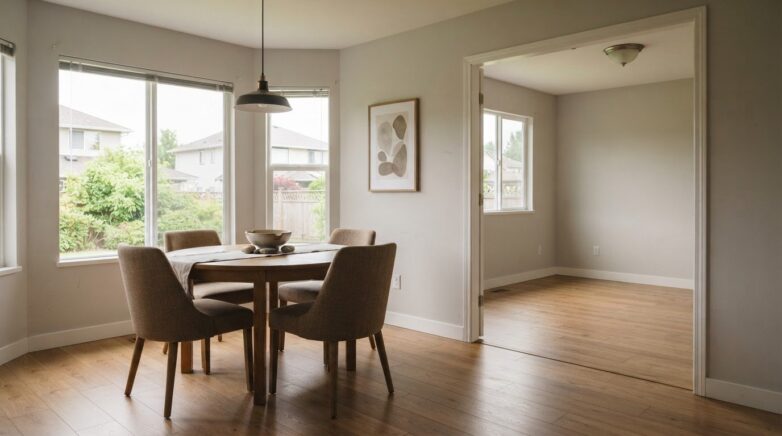
In an empty home, rented furniture can establish scale and give key rooms a clear purpose. Choose pieces that suit the room dimensions, architectural character and likely buyer, rather than furnishing every corner. For example, a dining table and chairs can define an open-plan eating area, while a sofa and side table make a vacant living room easier to understand. Reviewing ready-to-move and off-plan homes on upscalerealestate.ae can provide helpful insight into how modern layouts and tailored furnishings bring warmth to vacant spaces.
Move bulky furniture away from windows, narrow hallways and door swings. Check the view from each entrance, then adjust anything that interrupts a natural path. A simpler layout can make rooms feel more spacious and show buyers how they might arrange their belongings. Keep accessories and lighting purposeful, with breathing room around each major piece.
4. DIY staging and home-preparation tips
A practical home staging process for sellers starts with a simple room-by-room plan before listing. Set aside a basket for daily essentials, then clear work surfaces and put away paperwork, chargers and pet supplies before photographs or viewings. In the entry, keep only the coat and footwear needed that day. These small resets help visitors focus on the home, not its daily routines.
Clean from eye level down. Wipe fingerprints from glass and cabinet fronts, dust lampshades, and vacuum upholstery where lint or pet hair is visible. Open blinds to make use of daylight, then replace burned-out bulbs so rooms look consistent in photos and in person. Air out the home before a showing, and choose meals that won’t leave lingering cooking smells.
- Use coordinated towels and bedding to give bedrooms and bathrooms a composed finish.
- Clear kitchen counters, keeping only items used daily and easy to put away.
- Sweep the front step and wipe the entry door before a viewing.
- Store pet bowls and toys out of sight, while keeping essentials accessible.
Keep changes in scale with the property. A neutral throw can soften a bold sofa without replacing it, while a simple table arrangement can make a dining area feel ready to use. Avoid adding decor that hides wear or suggests a feature the home doesn’t have. An estate agent can help identify which spaces deserve attention before the listing goes live.
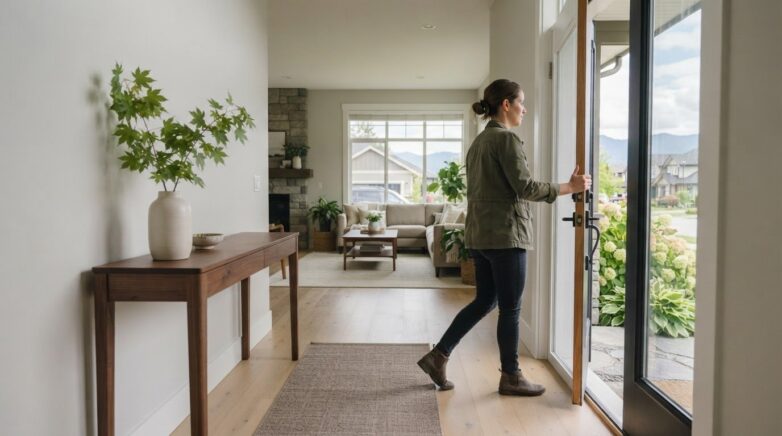
As the home staging process for sellers reaches its final preparation, walk through the home as a visitor would. Check the entry, room transitions and lighting, then put away anything that distracts from the property’s character. If you’d like a considered plan for preparing your home, book support with a staging professional.
Pair Home Design: Home Staging
Pair Home Design helps sellers bring these preparation steps together in a cohesive, market-ready presentation. Home Staging uses considered furniture and styling to clarify each room’s purpose, while Home Consults help identify practical priorities before listing. For an occupied home, Home Styling can refine the spaces you already use; real estate professionals can also explore The Agent’s Edge.
Consider professional support when you’ve handled basic decluttering and repairs but want a more intentional layout, or when an empty property needs warmth and scale. The aim is a polished home that still feels true to its character, with a clear flow from room to room.
To discuss preparing your home for sale, contact Pair Home Design.
Shape a Listing That Feels Like Home
Your listing sets an expectation before a buyer steps inside. Keep the presentation consistent from the first photograph through an in-person viewing, with choices that suit the property’s character and audience. The home staging process for sellers works best when it creates a clear, authentic impression rather than chasing a look that could belong anywhere.
Before the listing goes live, decide what you want each room to communicate and carry that intention through the final preparations. The result should feel considered, welcoming and true to the home. That balance gives buyers room to picture their own next chapter while noticing what makes the property distinctive.
Your next step can be a conversation about your home’s character, listing goals and the kind of support that would make preparation manageable. A thoughtful plan should work with your daily realities, not turn the sale into an unnecessary overhaul.
If you’re ready to shape that next step, contact Pair Home Design and move toward a listing that feels ready to welcome its next owner.
Frequently Asked Questions
But what is home staging exactly?
Home staging is the purposeful preparation of a property for marketing, helping buyers understand its scale and possible uses. For example, a dining area with a table suited to the room shows how the space functions, while an empty corner may leave its purpose unclear. The goal is a considered presentation for listing photos and viewings, not a personal redesign or renovation.
How much does it cost to stage a house?
Staging costs vary with the property and the work involved, so there isn’t one standard figure for every Canadian home. Professional staging pricing depends on the project and is provided after a quote request; relevant factors include the home’s size, whether it’s occupied, the rooms being prepared, and the furnishings or accessories required. Identify the spaces needing support when planning your budget.
Do you have to spend money to stage your home?
No. Start with the furniture, linens and decorative pieces you already own, and edit the arrangement before buying anything. For instance, move a side table from a crowded sitting area to an underused corner if it helps the room feel more balanced. Spending may make sense when a space lacks a clear purpose, but a deliberate plan comes before new purchases.
How Much Does Staging Cost?
There isn’t a single staging fee that applies to every property. A consultation, styling an occupied home and furnishing a vacant listing involve different project scopes. The estimate reflects the work required, including which spaces need attention and whether selected furnishings or accessories are needed. Clarifying the desired presentation helps define the project before costs are discussed.
Should You Hire a Professional Home Stager?
Consider professional help if a vacant home feels difficult to scale, your existing furnishings don’t suit the layout, or you want guidance before making changes. A Home Consult can help set priorities, while staging brings a cohesive presentation to the listing. Pair Home Design serves Chilliwack and throughout the Fraser Valley and Greater Vancouver, including Abbotsford, Mission, Langley, Surrey, Coquitlam, Burnaby, Maple Ridge, Vancouver, and surrounding communities. Book home staging at least two weeks in advance, especially during busy seasons.
So What is House Staging Anyways?
House staging is a marketing-focused way to present a home, rather than decorating solely to reflect the current owner’s personal taste. The choices help buyers read the property clearly while keeping its real condition and character in view. That distinction matters: a staged home should represent its spaces honestly, not suggest features or finishes that aren’t there.