Staging Advice for Sellers: Make Your Home Feel Ready to Buy

The best-staged home isn’t the one that looks untouched by real life. It’s the one that helps buyers understand the space and imagine settling in. Thoughtful staging advice for sellers can make a home feel clear, welcoming and true to its character, without turning it into a showroom.
If you’re unsure which rooms need attention, or worry that staging will feel impersonal or take more time and money than it’s worth, that’s understandable. The goal isn’t to change everything. It’s to make purposeful choices that help buyers see the home’s layout, care and potential.
This article explains where to focus first and how to make proportionate updates while keeping warmth and personality in the picture. You’ll learn how furniture placement, editing and finishing touches can make rooms easier to read, and when a pre-listing consultation or professional staging support might help. With a clear plan, preparing your home can feel less like starting over and more like bringing its best features into view.
Key Takeaways
- Use staging advice for sellers to help buyers understand how each room works, rather than aiming for a showroom-perfect look.
- Arrange furniture to preserve clear pathways, make good use of natural light and suit the scale of each room.
- Prioritize visible distractions and property-specific concerns before considering larger, more demanding changes.
- Follow a flexible pre-listing sequence, from assessing the home to refining room layouts and preparing for photography.
- Consider a professional consultation when room function feels unclear or the property is vacant. Full staging offers a different level of support.
Staging Advice for Sellers: Start with the Buyer’s First Impression
Home staging is the intentional presentation of a property to help buyers understand its spaces and imagine living there. It isn’t about disguising a home or stripping away its personality. It’s about arranging existing furnishings and adding selected pieces where useful, so the home’s purpose and best features are easy to see.
That clarity matters in listing photos, where buyers first encounter rooms on a screen, and during viewings, when they notice how spaces connect. For a neutral overview of the concept and common techniques, see What is home staging? Staging can shape how a property is presented, but it can’t guarantee a sale or a particular result.
What does staging change in a home for sale?
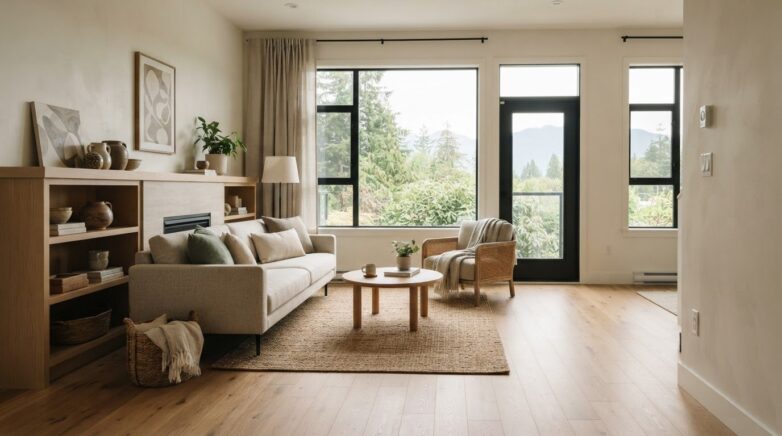
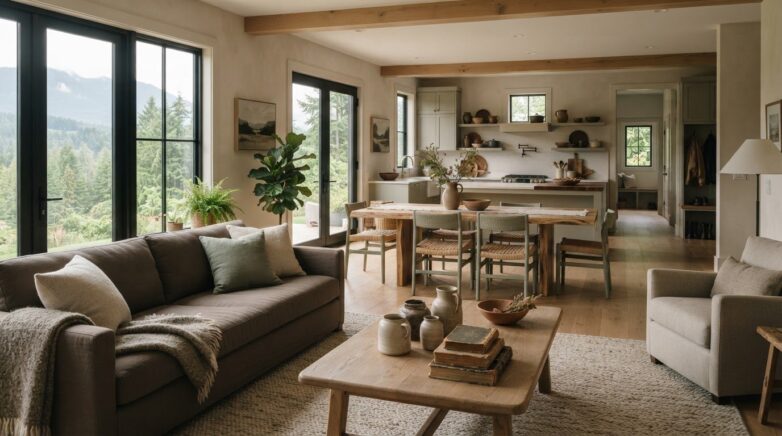
Furniture placement can make a room’s purpose immediately apparent. A dining table near the kitchen helps define a dining area; a sofa and chairs arranged for conversation show how a living room might be used. Leave comfortable pathways around these groupings so buyers can see the usable space instead of focusing on obstacles or awkward gaps.
A consistent visual story helps a viewing feel natural from one space to the next. That doesn’t mean every room needs to match. A considered mix of furnishings, colour and decor can create balance while letting the home’s character remain. Staging may use the seller’s furnishings, selected and rearranged with intention, or curated furniture and decor rentals where a room needs more definition.
What should a buyer notice first?
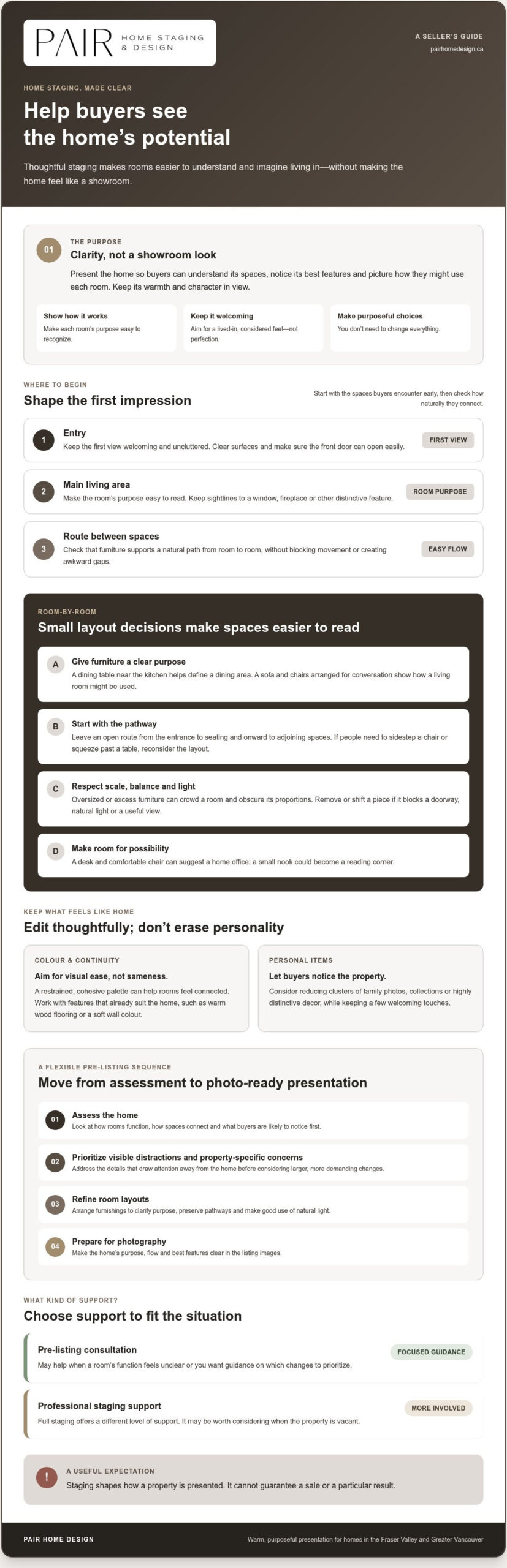
Begin at the entry, then consider the main living area and the route between them. These spaces give buyers an early sense of how the home welcomes them and how its layout works. Clear sightlines can draw attention to a window, fireplace or distinctive feature. Balanced furniture placement can make the room inviting without blocking movement.
For example, if a crowded entry makes the front door difficult to open, or a large chair interrupts the path from the living room to the kitchen, those details may distract from the home itself. Clearing the entry surface or shifting furniture to open a walkway can make the experience feel calmer and more coherent, whether you’re listing in Chilliwack, Abbotsford or elsewhere in the Fraser Valley and Greater Vancouver.
- At the entry, keep the first view welcoming and uncluttered.
- In the main living area, make the room’s purpose easy to recognize.
- Between spaces, check that furniture supports a natural route through the home.
These are starting points, not rigid rules. The best staging advice for sellers responds to the property’s layout and helps buyers notice what makes it feel like a home.
How Staging Advice Helps Buyers Understand Each Room
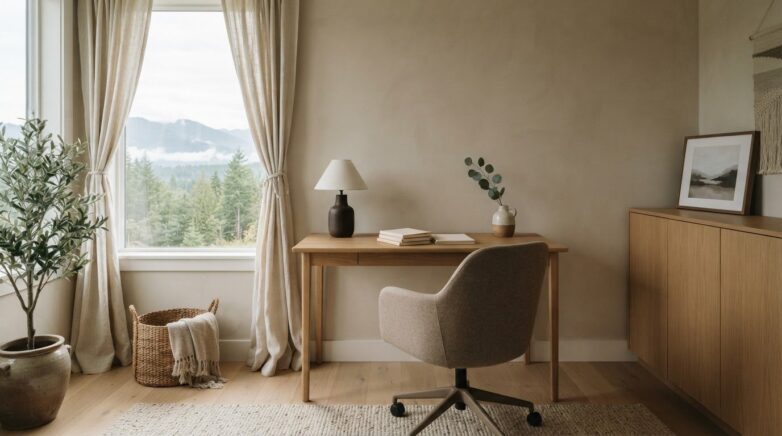
A room is easier to picture when its purpose is clear. A spare room might hold a desk and comfortable chair to suggest a home office, while a small nook could become a reading corner. Clear room function helps buyers focus on how a space could fit their lives, rather than guess what to do with it.
Good presentation isn’t about following strict design rules. Use scale, balance, light and pathways as practical guides. Furniture should suit the room, visual weight should feel balanced, and natural light shouldn’t be blocked by bulky pieces or heavy window coverings. These choices make a space easier to take in during a viewing.
How can furniture placement improve flow?
Start with the route through the room. Leave an open path from the entrance to the seating area and onward to adjoining spaces. If visitors have to sidestep a chair or squeeze between a table and the wall, reconsider the layout.
Oversized or excess furniture can make a room seem crowded and obscure its proportions. Try removing one piece or shifting a sofa away from a doorway. Arrange seating so people can comfortably face one another, while keeping a fireplace, window or other natural focal point in view. The result should feel usable, not staged for a photograph alone.
How do colour and personal items affect buyer perception?
A restrained, cohesive palette can help rooms feel connected, but there’s no need to replace finishes or impose one universal style. Work with features that already suit the home, such as warm wood flooring or a soft wall colour, and use furnishings and accents to complement them. The aim is visual ease, not sameness.
Editing personal items can help buyers notice the property instead of becoming absorbed in the seller’s possessions. Consider reducing clusters of family photos, collections or highly distinctive decor, while keeping a few touches that make the home feel welcoming. Staging advice for sellers should make the space easier to imagine living in without erasing every sign of personality.
The National Association of REALTORS®’ US-based report on the impact of home staging offers broader industry context. Treat it as a reference, not a promise about the outcome of a Canadian sale. If you’re unsure how to balance furniture, flow and personal touches in your rooms, a pre-listing staging consultation may provide property-specific guidance.
Which Staging Updates Should Sellers Prioritize?
Not every pre-listing improvement deserves the same time or investment. A useful order is to address distracting presentation issues first, attend to visible maintenance concerns next, and consider larger changes only when they suit the property and listing plan. The right priorities depend on the home’s condition, your budget and what buyers are likely to notice.
Staging focuses on presentation: arranging furnishings and decor to show how a home can be used. Repairs address condition or function. Repainting may be a focused refresh if it resolves a visible issue, or a cosmetic choice if it simply reflects a preferred look. Renovations are more extensive and aren’t an automatic part of preparing a home for sale. Discuss significant work with your realtor or a relevant qualified professional before committing.
Should you stage, repair, repaint, or renovate?
Let the purpose of each update guide your decision. A crowded living room may need editing and furniture rearrangement, not new finishes. A loose handle is a maintenance concern, while repainting a marked wall may be a focused refresh. A larger project needs more consideration of its cost, time and relevance to the property.
| Goal | Example action | When professional advice may help |
|---|---|---|
| Improve presentation | Edit clutter or adjust furniture to make a room easier to read. | If the room’s function or layout is still unclear. |
| Address visible condition | Attend to an obvious maintenance issue or worn detail. | If you’re unsure whether it needs qualified repair. |
| Consider a larger change | Assess whether repainting or renovation is relevant before listing. | Before taking on substantial work, consult your realtor or a suitable professional. |
How can sellers choose where to spend attention?
Begin with spaces buyers are likely to see and use most, such as the entry, kitchen and main living area. Ask whether a visible distraction draws attention away from the room, whether a concern affects its use, and whether addressing it fits your available time and budget. A presentation edit may be enough; a repair or larger project may need a separate assessment.
This is where staging advice for sellers can keep preparation proportionate. Focus on relevant improvements rather than trying to perfect every surface. A professional perspective can help distinguish presentation concerns from issues that call for other expertise. For another perspective on the decision, see Is Home Staging Worth It? Busting the Myths About ROI in the 2026 BC Market. No update or staging choice can guarantee a particular sale outcome.
A Practical Staging Plan Before Listing Day
A calm preparation plan helps you focus on what will make the home easier to experience, without treating every room as a project. Use these steps as a flexible framework, not a complete pre-listing checklist. Your realtor’s advice, the property’s needs and the listing schedule may shape the order.
- Assess the home. Walk through as a buyer might, noting what stands out and where spaces feel unclear or difficult to use.
- Set priorities. Separate presentation edits from maintenance concerns, then choose what fits your time, budget and listing plan.
- Edit and clean. Clear surfaces and reduce visual distractions while keeping everyday essentials accessible.
- Refine room layouts. Adjust furniture to support each room’s purpose and keep routes between spaces open.
- Prepare for photography. Confirm with your realtor and staging provider what needs to be ready and when.
For an occupied home, manageable routines can make preparation easier to maintain. Keep a basket or drawer for daily items that tend to collect on counters, and decide where shoes, coats and small essentials will go before a viewing. Focus on the spaces buyers will see rather than trying to make the home feel unused. For more detailed, room-by-room ideas, see How to Stage a House to Sell While Still Living in It.
When should staging happen before listing photos?
Settle the main staging decisions before the photographer arrives. Furniture shifts, decor edits and final cleaning affect what appears in each frame, so leaving them until the last moment may create avoidable pressure. Coordinate timing with your realtor and staging provider, especially if furniture or decor needs to be brought in or adjusted.
A consistent presentation helps buyers recognize the same welcoming, well-considered home in listing photos and in person. Before photography, walk through the property from the entry and check that key rooms feel connected, pathways are clear and the chosen layout is in place.
Plans can change, so leave room to confirm details rather than treating this sequence as a fixed schedule. If you’d like support prioritizing preparation or arranging a cohesive presentation, explore pre-listing staging consultations with Pair Home Design. Thoughtful staging advice for sellers should make the next steps clearer, not add pressure to perfect everything.
When Professional Staging Advice Can Help Fraser Valley Sellers
An outside perspective can be useful when a room’s purpose feels unclear, the home is vacant or you’re unsure which preparation steps matter most. You know the property well, which can make it harder to see where a buyer might hesitate or overlook a feature. A staging professional can offer a fresh view, though professional support isn’t required for every seller.
For sellers in Chilliwack and communities across the Fraser Valley and Greater Vancouver, Pair Home Design offers pre-listing consultations, full home staging and styling, along with curated furniture and decor rental. The right level of support depends on how the home is furnished, its condition, whether it’s occupied and the listing plan you’re working towards.
What can a pre-listing staging consultation clarify?
A consultation can help you assess how rooms function, how people move through the home and which visual details deserve attention before listing. You can leave with property-specific recommendations to implement yourself, or use the conversation to consider whether additional staging support makes sense. It turns broad preparation questions into clearer next steps, without requiring you to stage every room.
If you’d like to learn more about what this type of guidance can cover, read Home Staging Consultation in Chilliwack: Your 2026 Pre-Listing Guide.
How do sellers choose the right level of staging support?
Start with what the property needs. An occupied home with suitable furnishings may benefit from advice on editing and arrangement. A vacant property may need selected furniture and decor to help buyers understand room function and scale. If condition concerns affect how a space can be presented, discuss those separately with your realtor or an appropriate qualified professional.
Consider your listing plans, too. If the main challenge is deciding what to move or edit, a consultation may be a practical fit. If rooms are empty or existing furnishings don’t support a cohesive presentation, full staging or styling may be worth discussing. Pair Home Design’s Rita is a member of the Real Estate Staging Association (RESA), a relevant professional detail, not a promise of a particular sale result.
Good staging advice for sellers should leave you with a clearer sense of what suits your home, your priorities and your budget. If you’re preparing a property in Chilliwack, Abbotsford, Hope, Mission, Langley, Maple Ridge, Coquitlam, Surrey, Burnaby or Vancouver and would value a collaborative perspective, discuss your home and goals with Pair Home Design to explore which level of staging support may be appropriate.
Prepare Your Home with Clarity and Confidence
Thoughtful staging advice for sellers starts with helping buyers understand the home, not making it feel like a showroom. Clear room purposes, balanced layouts and open pathways can make the property easier to experience in photos and in person. A focused plan also helps you prioritize visible distractions and practical concerns before taking on larger changes.
There’s no single preparation plan for every property. The right level of support depends on the home, its furnishings, condition and listing goals. Pair Home Design offers consultations, full staging, styling and curated rental inventory. Rita, who leads the Chilliwack-based business, is a member of the Real Estate Staging Association.
If you’d value a collaborative perspective on what may suit your home, explore home staging and consultation services with Pair Home Design. A few considered choices can help your home feel welcoming, well presented and ready for buyers to imagine what comes next.
Frequently Asked Questions
Is home staging advice useful if my house is already clean and furnished?
Yes. A clean, furnished home can still benefit from a fresh look at how each room reads to buyers. Staging advice for sellers may focus on editing, furniture placement, sightlines or making a room’s purpose clearer, rather than adding more decor. For example, moving a chair away from a doorway can improve the flow and draw attention to a window. The goal is a considered presentation, not a complete transformation.
Can I stage my home myself before putting it on the market?
Yes, you can make many presentation changes yourself. Walk through the home as a buyer might, clear crowded surfaces, open pathways and arrange furniture to show how each room can be used. Keep daily essentials accessible, especially if you’re still living there. If you’re uncertain about a vacant room, awkward layout or which updates matter most, a consultation can offer property-specific guidance without requiring full staging.
What should sellers stage first before listing a home?
Start with the entry and main living area, then consider the kitchen and primary bedroom. These spaces help establish the home’s welcome, layout and everyday function. Clear visual distractions, make furniture arrangements easy to navigate and let natural light reach into the room where possible. The best starting point depends on the property: focus first on spaces that feel crowded, lack a clear purpose or don’t show their features well.
How much staging does a home need before listing?
There’s no fixed amount. A furnished, well-presented home may need only thoughtful editing and furniture adjustments, while a vacant property may benefit from selected furniture and decor to clarify room function and scale. Consider the home’s condition, which spaces need definition, your listing plan and your budget. Staging can focus on key rooms; it doesn’t automatically mean furnishing or styling every space.
Does staging guarantee a faster sale or a higher offer?
No. Staging can help buyers understand a home’s layout and picture how they might use its rooms, but it can’t guarantee a sale, a particular timeline or a higher offer. Sale outcomes depend on factors beyond presentation, including the property and its market circumstances. Treat staging as a way to prepare and present your home thoughtfully, not as a promise of financial or selling results.
When should staging be completed before real estate photography?
Settle the main staging decisions before the photographer arrives. Furniture placement, decor edits and final cleaning all affect how rooms appear in listing images, so confirm the sequence with your realtor and staging provider. Leave time to prepare the areas being photographed and check the view from each doorway. A consistent presentation across listing photos and in-person viewings helps buyers recognize the same home in both settings.
Can a home staging consultation help sellers in the Fraser Valley?
Yes. A consultation can help clarify room function, furniture flow and presentation priorities, with recommendations you can choose to implement yourself or discuss alongside further staging support. Pair Home Design serves homeowners and realtors across the Fraser Valley and Greater Vancouver, including Chilliwack, Abbotsford, Hope, Mission, Langley, Maple Ridge, Coquitlam, Surrey, Burnaby and Vancouver. Led by Rita, a Real Estate Staging Association member, the company offers consultations, full staging, styling and curated rental inventory.