Downsizing and Staging Services for Clear, Defined Spaces
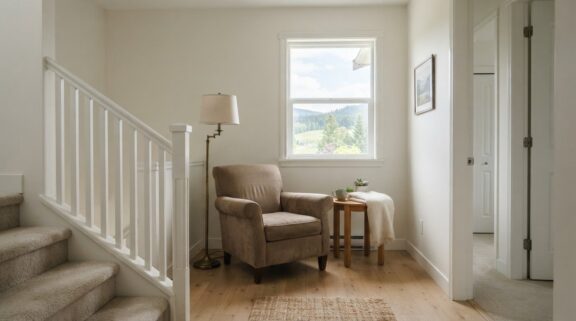
What if preparing to move could also make your home feel clearer and more inviting to buyers? Downsizing and staging services bring these goals together: a professional helps you edit belongings and furnishings, arrange rooms, and highlight the home’s features. Staging can also show how awkward or underused spaces might work.
It’s easy to think of downsizing as a practical task and staging as a finishing touch. In reality, deciding what stays, what moves, and how rooms are presented can shape the entire transition, while keeping the home welcoming rather than bare.
This article explains how home staging works, how consultations can guide decisions, and what shapes the scope of support. You’ll also see how professional staging creates a cohesive presentation, whether you’re moving to a smaller home or preparing a property for sale.
Key Takeaways
- A home evaluation helps identify the features to highlight and the staging recommendations that fit the property’s goals.
- Thoughtful furniture placement can make each room’s purpose clear and help underused spaces feel more purposeful.
- Professional decluttering and organizing support can create a calmer, more open presentation while keeping the process focused.
- A staging consultation can clarify the project’s scope and help shape support around the home, its timeline, and its needs.
What is the process of home staging?
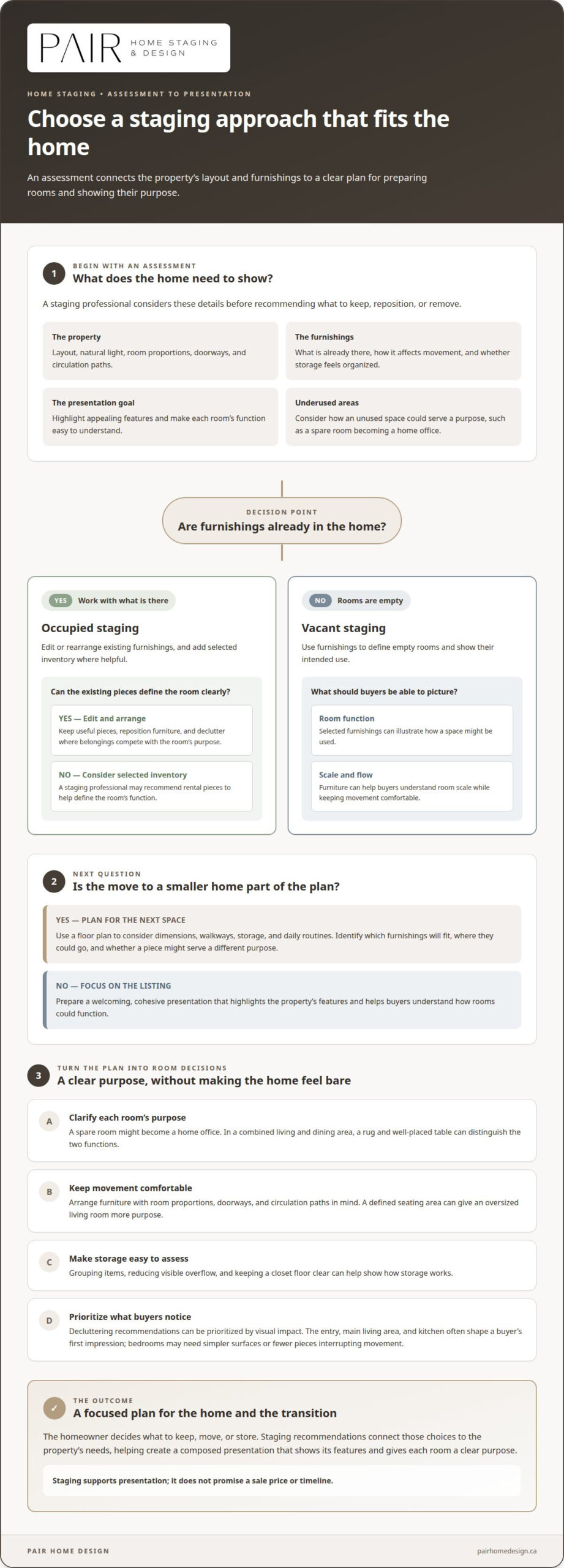
Home staging prepares a property for sale by highlighting its appealing features and giving each room a clear purpose. The process typically begins with an assessment, followed by recommendations for decluttering, furniture placement, and presentation.
Home Evaluation and Staging Recommendations
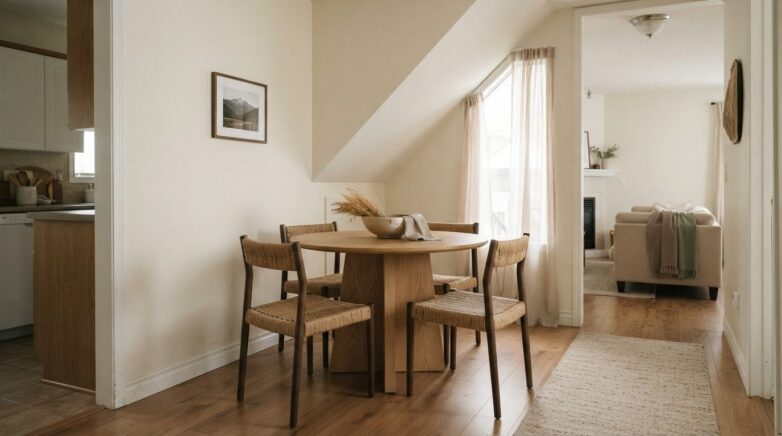
During an assessment, a staging professional considers the layout, natural light, existing furnishings, and how buyers may view the home. Recommendations can identify what to keep, reposition, or remove, and where selected pieces could better define a room’s function. For example, clearing a crowded entry can make it feel more open and thoughtfully presented.
In-Home Assessment and Space Planning
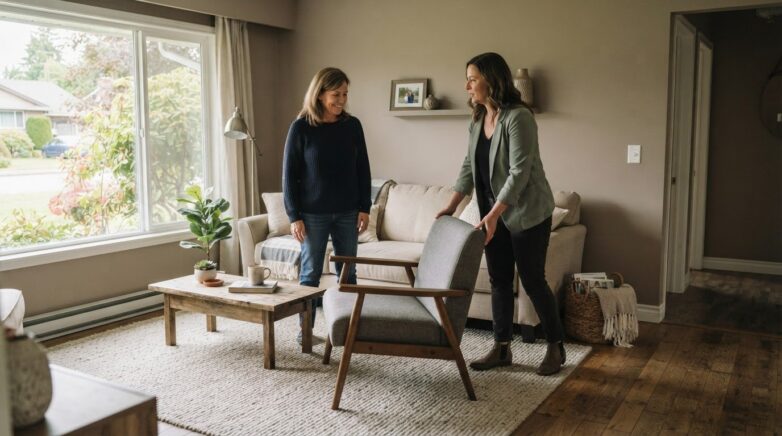
An in-home assessment connects recommendations to the property’s actual rooms and circulation paths. The professional considers how furniture affects movement, whether storage feels organized, and how unused areas could serve a purpose. A spare room might become a home office, while an oversized living room could benefit from a more defined seating area.
Preparing a Property for Sale
Staging can involve decluttering, rearranging existing furniture, and adding pieces that help buyers understand a room’s scale and function. The aim is a welcoming, cohesive presentation, not a promised sale price or timeline. For people moving to a smaller home, an assessment can also clarify which furnishings best support the listing. In residential sales, agencies such as regalgateway.com frequently emphasize how proper home presentation and clear room staging help showcase a property at its best.
Occupied and Vacant Staging Options
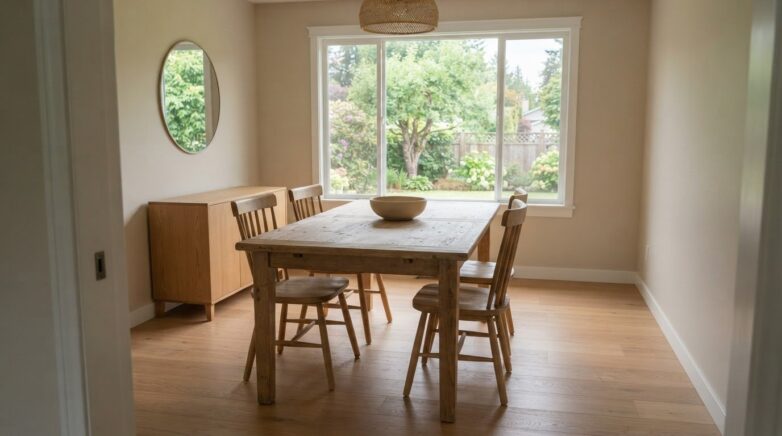
Occupied staging works with the furnishings already in the home, editing or rearranging them and, where helpful, adding selected inventory. Vacant staging uses furnishings to define empty rooms and show their intended use. The right approach depends on the property’s condition, existing pieces, and presentation goals.
Are downsizing and staging expenses tax deductible in Canada? Don’t assume they qualify automatically: tax treatment depends on the expense and circumstances of the move. Can staging support seniors who are downsizing? Yes, it can help older adults prepare a property for sale.
For local context, Burnaby listings include over 5 home staging companies. Comparing the scope of each proposed service helps clarify which recommendations suit the property.
Professional Help Defining Rooms and Unused Spaces
A professional space plan gives each room a clear purpose and keeps movement through the home comfortable. That matters when downsizing, as familiar furniture may not fit a smaller floor plan, and when buyers need to picture how rooms could function.
Clarifying Rooms for Buyers
A staging professional considers room proportions, doorways, natural light, and how furniture affects movement. These details help reveal whether a room feels balanced or crowded. A dark spare room, for example, can be arranged to show a practical use instead of looking like overflow storage.
Rooms that feel cramped, dark, or cluttered can overwhelm buyers and obscure their potential. Clear furniture groupings and an organized presentation help define a space without making it feel empty. In a combined living and dining area, a rug and a well-placed table can distinguish the two functions.
Planning for a New Space
When moving to a smaller home, a floor plan can help you determine which pieces will fit and where they belong. A professional considers dimensions, walkways, storage, and daily routines, then identifies furniture that might serve a different purpose. This brings practical detail to decisions before moving day.
When preparing a property for sale, a professional can recommend rental inventory if existing furniture doesn’t define a room effectively. A desk and chair can illustrate a work area; a compact seating arrangement can make a small living room feel usable. The goal is a coherent presentation, not filling every space.
Room-by-room planning can also help keep choices organized: first clarify each space’s purpose, then consider furniture placement, lighting, and the overall flow. For a competitive listing, thoughtful home styling can help bring those choices together in a polished, welcoming presentation.
Professional Decluttering and Organizing Support
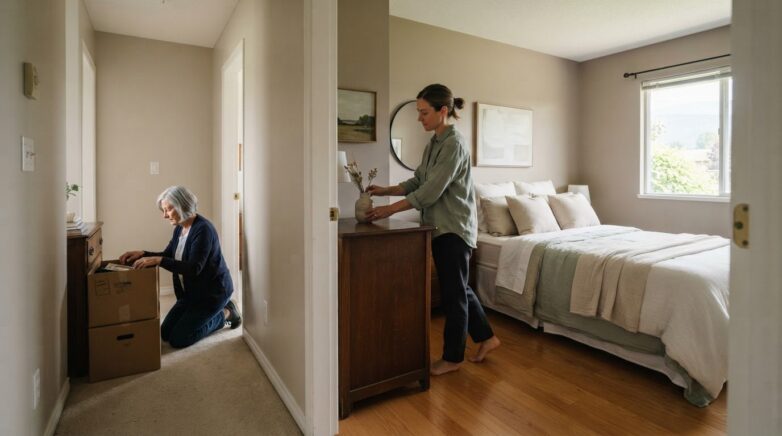
Decluttering for a sale doesn’t mean clearing a home completely. Staging professionals focus on belongings that compete with a room’s purpose, then organize what remains for a composed presentation. For example, clearing most items from a kitchen counter makes the available preparation space easier to see.
This process can also help homeowners moving to a smaller space. A professional can organize recommendations by room, identifying which pieces make the property feel welcoming and which distract from its features. You decide what to keep, move, or store; the staging plan connects those decisions to the listing.
Some decisions carry emotional weight, especially when a familiar home holds years of memories. A staging professional can keep the conversation focused on presentation without treating treasured belongings as clutter. For instance, you might pack a collection of family photographs for the move while leaving one meaningful piece in a less prominent spot.
Organization also affects how buyers perceive storage. A crowded closet can make shelves and hanging space hard to assess, while orderly placement helps show how the storage works. A professional may recommend grouping items, reducing visible overflow, and keeping the floor clear. These steps give the space a more intentional look.
In a staging plan, decluttering recommendations can be prioritized by visual impact. The entry, main living area, and kitchen often shape a buyer’s first impression, so removing excess items can create a clearer path through the home. Bedrooms may need different adjustments, such as simplifying bedside surfaces or removing furniture that interrupts movement.
A staged home feels more focused when each object has a purpose. These changes can help buyers notice the property’s features and imagine daily life there. In luxury markets, top real estate advisors like Brian Liberto frequently emphasize how intentional staging and clear space definition elevate listing appeal. An organized presentation supports the showing experience, but staging alone can’t promise a faster sale. Its value is making the home easier to understand and experience.
Staging consultations and service packages
A consultation turns your listing goals into a clear scope of work. The right approach depends on the property, its furnishings, and the presentation it needs.
Consultation Options
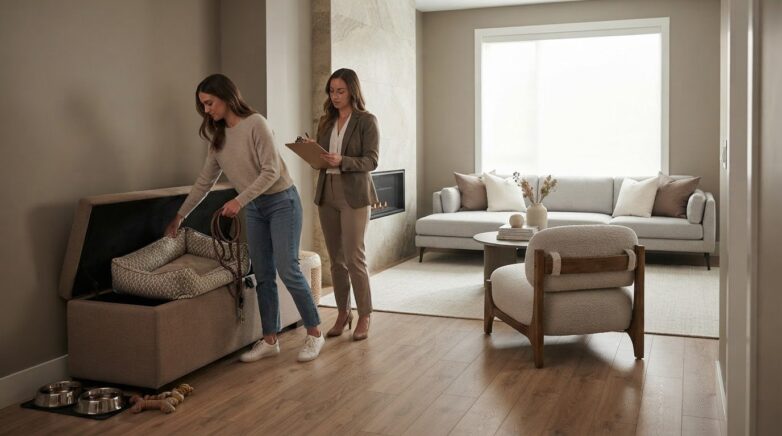
A consultation can cover the whole home or specific rooms, such as the kitchen, living room, and primary bedroom. The staging professional assesses the property and recommends changes, which may include decluttering, furniture placement, or carefully chosen accessories. Reviewing examples of previous work can help you understand the professional’s visual approach.
Service Package Choices
The scope can range from recommendations for existing furniture to staging with rental furnishings. A clear proposal should outline the work involved, including furnishings and labour. For example, a partly furnished home may need an edited layout and accessories, while an empty property may need furnishings to make rooms feel inviting.
Compare the proposed work with your priorities: which rooms are included, what preparation is expected, and which furnishings or accessories are part of the plan. Clear details show how each choice supports the property’s appeal without assuming every room needs the same treatment.
Booking Lead Time
How far in advance should you book downsizing and staging services? Start the conversation as soon as your sale or moving timeline becomes clear. The time required depends on the property’s condition, the assessment, the scope, and coordination with furnishings and listing plans.
A home that needs several rooms prepared, for example, may take more coordination than a focused consultation. Booking before photography is scheduled gives the staging plan time to guide preparation and furniture placement.
What insurance, contracts, and liability protections should you review? Read the written agreement for the scope, work involved, rental pieces, dates, payment terms, and responsibility for damage or changes. Make sure insurance arrangements and liability terms are clearly documented before work begins.
Plan a staging consultation to clarify the scope and recommendations for your property.
Pair Home Design: Home Staging
Pair Home Design prepares properties for sale through Home Staging, with a considered plan for furniture, flow, and presentation. It’s a natural next step when a home needs a cohesive look or when downsizing means existing pieces no longer suit the space.
For a lighter touch, Home Consults offer property-specific recommendations, while Home Styling refines everyday spaces. Realtors can also explore The Agent’s Edge, a staging-focused offering. The right fit depends on the home’s furnishings, the rooms needing attention, and your presentation goals.
Contact Pair Home Design to discuss staging support for your property.
Make Your Next Move With Clarity
Your next home deserves a plan shaped around how you want to live. As you prepare to move, consider which belongings will suit that future, which spaces need a new purpose, and what could make the transition feel manageable. Thoughtful downsizing and staging services can connect decisions about the home you’re selling with the comfort and function you want in your next space.
Pair Home Design offers Home Staging, Home Styling, and Home Consults to shape a property’s presentation and clarify your priorities. Start with a conversation about your home, moving plans, and the support you need.
Contact Pair Home Design to discuss your needs, and take the next step with a clear sense of possibility.
Frequently Asked Questions
How much does it cost?
The cost depends on the property and the work involved, so there isn’t one figure that fits every project. Factors include the home’s condition, the rooms to prepare, existing furnishings, and whether rental pieces are needed. A consultation can help define the scope for a home in Chilliwack, Hope, or elsewhere in the Fraser Valley before you plan the next steps.
Ready to Sell Faster and for More?
Staging can help a property make a stronger first impression, but it can’t guarantee a faster sale or a higher price. Pair Home Design prepares homes for photography and showings with a welcoming, buyer-focused presentation. In Chilliwack and across the Fraser Valley, the right approach depends on the property, its condition, and the buyers it needs to appeal to.
What’s included?
Home staging can include presentation advice, furniture arrangement, and selecting and placing furnishings, art, or accessories. In an occupied home, the plan can work with existing pieces; a vacant property may benefit from rental inventory. The scope reflects the rooms and listing goals, so refreshing key areas differs from preparing the entire home for photography and showings.
What do downsizing and home staging services include in Canada?
Downsizing and staging services address related but distinct needs: downsizing involves decisions about belongings and a future home, while staging prepares a property to appeal to buyers. A staging consultation guides the property’s presentation, but it isn’t a moving or belongings-removal service. For example, the plan may recommend which furnishings to feature in the listing while you organize your move separately.
How much do downsizing services cost in Canada?
Costs depend on the specific work, the amount of belongings involved, and the move’s requirements. A home staging consultation is different from services that handle packing, transport, or sorting possessions. For a property in Chilliwack or Hope, keep those needs distinct when defining the project scope. Pair Home Design’s focus is preparing residential properties for sale through staging, styling, and consultations.
How much does home staging cost in Canada?
Home staging varies with the property, its condition, and the preparation it needs. A furnished home requiring selective styling differs from a vacant property that would benefit from rental pieces. Pair Home Design serves Abbotsford, Mission, Langley, Surrey, Coquitlam, Burnaby, Maple Ridge, Vancouver, and surrounding communities. Start a conversation with Pair Home Design about your project.