Furniture Styling: Simple Ways to Create a More Polished Home
What if your room doesn’t need more furniture, just a more thoughtful arrangement? You may love each piece on its own, yet together they can feel disconnected, awkwardly placed, or crowded. That doesn’t mean you need to start over. Furniture styling is often about balancing scale, improving flow between pieces, and making a room feel comfortable as well as polished.
In this guide, you’ll learn how to work with the furniture you already own, decide what to keep or reposition, and add finishing touches without creating visual clutter. You’ll find practical ways to create inviting conversation areas, keep walkways clear, and bring different pieces together with colour, texture, and proportion. You’ll also learn when a professional perspective can help you make more of your home’s existing character. A few considered changes can make a room feel more cohesive, functional, and welcoming.
Key Takeaways
- Start with how you use the room, then choose a focal point to guide the furniture arrangement.
- Use variation in shape, height, colour, and texture to create visual balance without making every piece match.
- Before buying anything new, edit and reposition what you own to reduce clutter and improve the room’s flow.
- Adapt the layout to each room’s purpose, from comfortable conversation in the living room to easy movement around the dining table.
- Assess, edit, and refine in sequence. If the room still feels unresolved, a fresh professional perspective can help you find a more workable arrangement.
Furniture Styling Starts with Scale, Purpose, and a Clear Focal Point
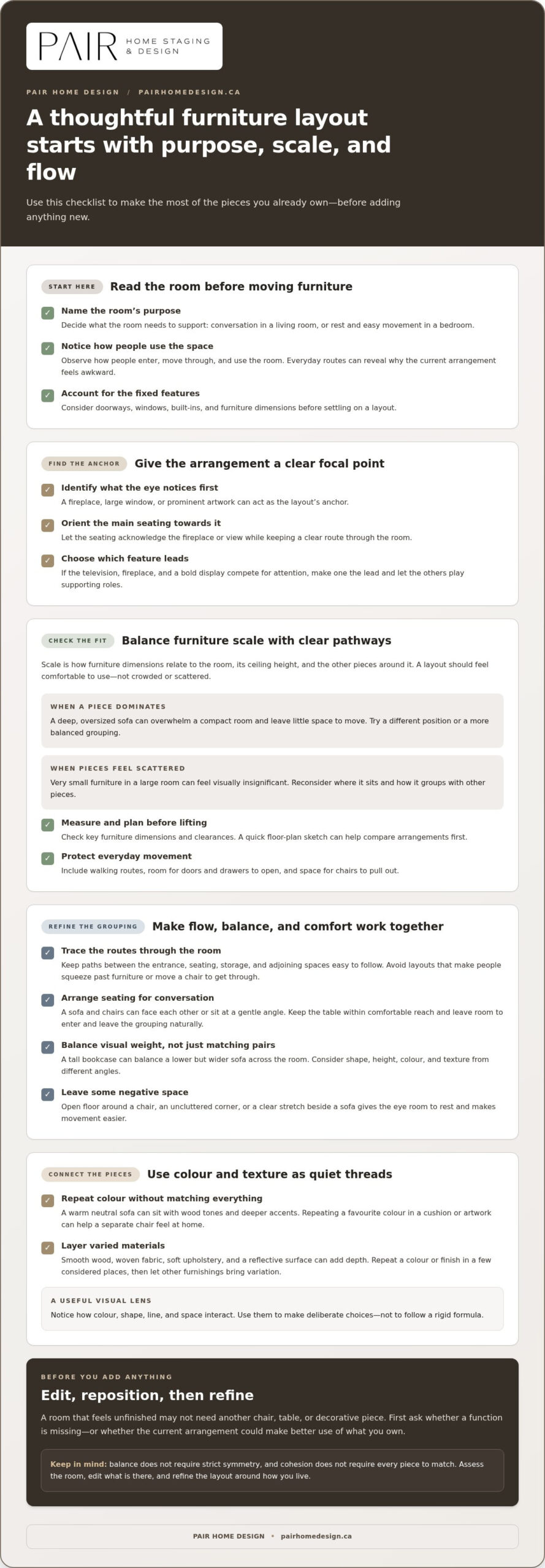
Furniture styling is the thoughtful arrangement and layering of furnishings to support how a room works and the atmosphere you want it to create. It doesn’t require buying new pieces or taking on a full renovation. Start by looking at what’s already in the room: what you use, what feels out of place, and where you could improve comfort and flow.
Begin with the room’s purpose. A living room might need comfortable seating for conversation, while a bedroom should feel restful and easy to move through. The space itself matters, too. Doorways, windows, built-in features, and furniture dimensions all affect what will fit. Before shifting anything, notice how people enter, move through, and use the room. These everyday patterns can show why a layout feels awkward.
Visual design principles can help you assess the pieces you own. The Elements of Art, including colour, shape, line, and space, offer a useful way to notice how furniture and open areas interact. The goal isn’t to follow a rigid formula. It’s to make deliberate choices that feel natural in your home.
How do you find a room’s focal point?
Look for the feature your eye notices first, such as a fireplace, a large window, or prominent artwork. Use it as an anchor for the layout. In a living room, for example, position the main seating to acknowledge the fireplace or view, while preserving a clear route through the space.
A room can feel unsettled when several features compete for attention. If the television, fireplace, and a bold display all pull focus, decide which should lead and let the others play supporting roles. The arrangement can recognize more than one feature without blocking circulation or making every piece face a different direction.
What does furniture scale mean in a room?
Scale describes how furniture dimensions relate to the room, its ceiling height, and the other pieces around it. A deep, oversized sofa may dominate a compact room and leave little space to move. Very small furniture in a large room can feel scattered and visually insignificant. Neither situation means the furniture is wrong. It may simply need a different position or a more balanced grouping.
Measure key pieces and check clearances before moving them. Include the routes people use to walk through the room, and allow for doors and drawers to open and chairs to pull out. A quick floor-plan sketch can help you compare arrangements before lifting anything. When scale, purpose, and focal point work together, you have a stronger foundation for a welcoming, functional room.
Furniture Styling Principles That Make a Room Feel Balanced
A balanced room doesn’t depend on identical furniture or perfect symmetry. It comes from distributing visual weight so the space feels considered from different angles. A tall bookcase, for example, might be balanced by a lower but wider sofa across the room. Shape, height, colour, and texture all contribute. Consider how each piece relates to its neighbours and to the room as a whole.
Good furniture styling balances the size of each piece with clear pathways, so the room supports its purpose without feeling crowded. That balance includes negative space: open floor around a chair, an uncluttered corner, or a clear stretch beside a sofa. Space isn’t wasted just because it’s empty. It gives the eye a place to rest and makes everyday movement easier.
How can furniture placement improve flow?
Trace the routes people take through the room, from the entrance to the seating, storage, and adjoining spaces. Place furniture so these paths are easy to follow, rather than requiring someone to squeeze between pieces or move a chair to pass. Then test the layout in use. Can you sit down comfortably, reach a table, and walk through without interrupting someone else?
For a conversation area, arrange seating so people can talk without shouting across a wide gap or crowding one another. A sofa and chairs can face each other or sit at a gentle angle, with a table within comfortable reach. Leave enough room around the grouping for people to enter and leave naturally. Spacing depends on the furniture and the room, so walk the routes yourself and adjust where needed.
How do colour and texture create cohesion?
Choose a restrained colour relationship to connect pieces without making every shade identical. A warm neutral sofa can sit comfortably with wood tones and a few deeper accents. Repeating a favourite colour in a cushion or artwork can help a separate chair feel at home. Think of repetition as a quiet thread, not a matching set.
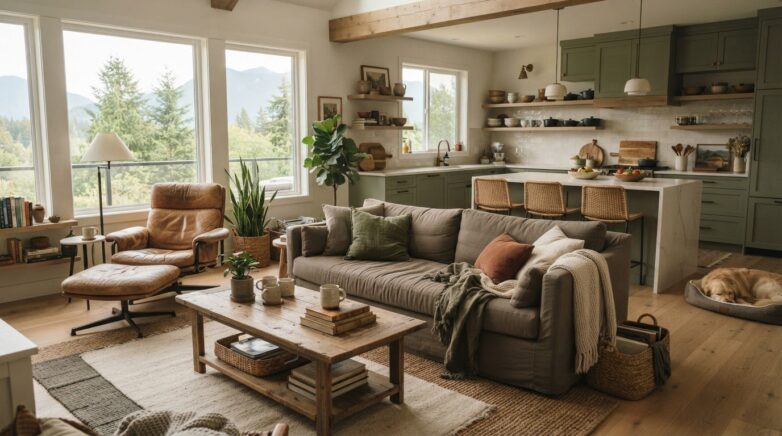
Texture adds another layer of connection. Smooth wood, woven fabric, soft upholstery, and a reflective surface can create depth while keeping the room welcoming. If every piece has the same finish and feel, the result may seem flat. If every material competes, it can feel busy. Repeat a colour or finish in a few considered places, then let the other furnishings bring variation.
If the pieces you own still feel difficult to bring together, a home styling perspective can help refine the room around its existing character and the way you live in it.
Furniture Styling Mistakes to Avoid When a Room Feels Off
A room that feels unfinished doesn’t automatically need another chair, table, or decorative piece. Adding more before understanding what isn’t working can make the layout feel busier. First ask whether the room is missing a function or whether the current arrangement isn’t making good use of what you own. Thoughtful furniture styling often begins with editing, not shopping.
It’s also easy to mistake symmetry for balance. Matching chairs placed evenly around a room can look composed, but strict symmetry may feel formal or make the space less suited to how you live. Balance can come from varied pieces arranged with intention: a substantial sofa might be offset by a lighter chair and a floor lamp, rather than another identical sofa. Aim for a room that feels settled, not arranged into sameness.
Why can a room feel cluttered despite having attractive furniture?
Even appealing pieces can compete when they’re crowded together, serve overlapping purposes, or sit among too many small accessories. A side table covered with ornaments, for example, may leave no convenient spot for a drink or book. Before adding anything decorative, look at the furniture arrangement as a whole. Are pieces interrupting one another? Is the room trying to support too many activities in the same area?
Try a quick edit. Keep everyday essentials within reach, then remove or relocate items that don’t support the room’s current use. Store occasional accessories and move duplicate-function pieces, such as an extra surface or unused seat, to another room if they’re in the way. With fewer competing elements, you can see which furniture should anchor the arrangement and what, if anything, is still missing.
Should you match furniture or mix different pieces?
Coordinated pieces can create continuity, especially when a room needs a calm, unified feel. But if every table, chair, and cabinet shares the same finish and silhouette, the result can feel more like a showroom than a home. Mixing pieces adds character when there’s a thoughtful connection between them.
Choose one or two qualities to repeat: similar wood tones, a shared colour, related shapes, or a comparable visual scale. For instance, chairs with different profiles can still feel connected through a common finish or upholstery colour. Let the room’s purpose and the furnishings you already own guide the choice. A polished space should look considered, but it should still be comfortable to use and feel like yours.
Furniture Styling Ideas for Living Rooms, Bedrooms, and Dining Areas
Each room asks something different of its furniture. A living room should invite people to settle in, a bedroom should make rest and daily routines easier, and a dining area needs to support meals without making movement around the table awkward. Adapt these furniture styling ideas to your floor plan and the pieces you already have.
| Room | Layout priority | Common styling challenge | Practical adjustment |
|---|---|---|---|
| Living room | Conversation and comfortable movement | Seating feels scattered or blocks a route | Group seats around a shared focal point and preserve a clear path |
| Bedroom | Rest, circulation, and storage access | Large pieces crowd the bed or storage | Reposition furniture to make daily routes and access easier |
| Dining area | Comfortable seating and table access | Chairs are difficult to pull out | Test chair movement and adjust the table or surrounding pieces |
How can you style a living room for conversation and comfort?
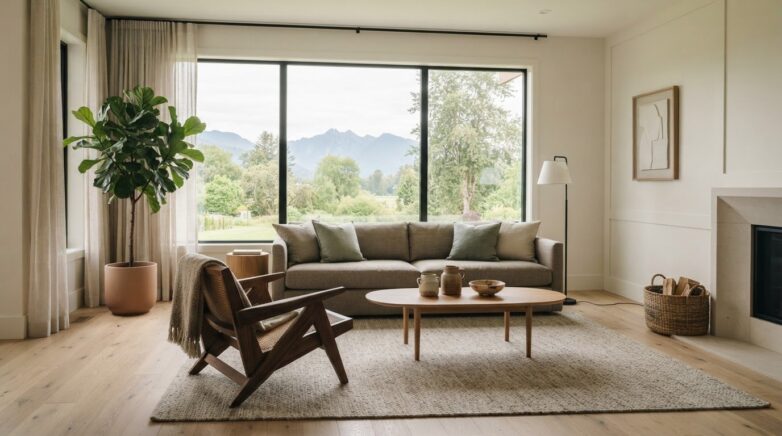
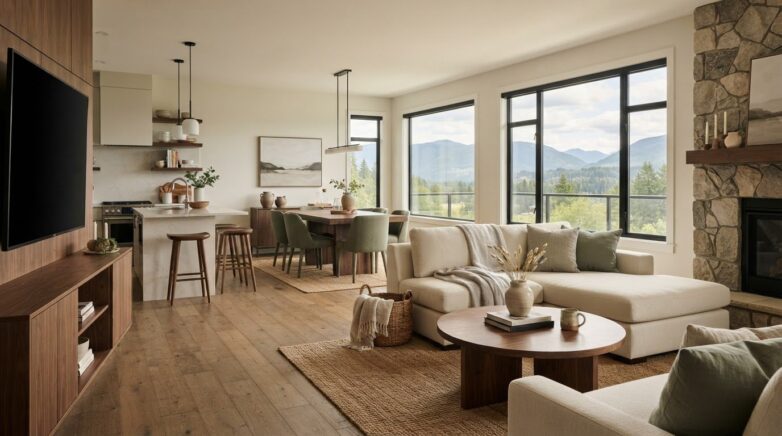
Arrange the main seating in relation to a shared focal point, such as a fireplace, view, or central table, while keeping a straightforward route through the room. A rug can help define the seating area, and repeating a finish in a lamp or side table can connect pieces that don’t match. Include a useful surface within reach and vary the seating if it suits how you use the room. If the grouping feels cramped, edit or reposition a piece before adding another.
How should furniture work in bedrooms and dining areas?
In a bedroom, begin with the bed, then check whether you can move comfortably around it and reach wardrobes, drawers, and bedside surfaces. A smaller bedside table or a different dresser position may improve access without changing the room’s essential furnishings.
In a dining area, consider how chairs move in and out and whether people can pass behind someone who’s seated. Test the arrangement with the chairs pulled out, not just tucked under the table. A simple centrepiece or considered lighting can finish the room, but keep accessories clear of the space needed for serving and eating.
For a tailored perspective on arranging and refining the rooms you live in, explore professional home styling in the Fraser Valley. Pair Home Design offers collaborative home styling to bring a home’s existing character and everyday needs together. Explore home styling with Pair Home Design.
When Professional Furniture Styling Can Bring Your Home Together
Sometimes a room still feels unresolved after you’ve moved pieces, cleared surfaces, and tried a few layouts. A fresh perspective can help reveal what’s competing for attention or how furniture could better support your routines. Before seeking guidance, follow a simple sequence: assess how you use the room, edit pieces that aren’t helping, test a new layout, then refine the details. This gives you a clearer sense of what’s working and where you’re still stuck.
Professional furniture styling can help when a room’s function is unclear, pieces feel disconnected, or several layout attempts haven’t improved the flow. Pair Home Design provides home styling and consultation services to refine your home’s existing character and make rooms feel comfortable and considered. Rita, a professional stager and Real Estate Staging Association member, helps homeowners think through practical arrangements and aesthetic direction.
What happens during a furniture styling consultation?
A consultation can offer guidance on how a room functions, how people move through it, where furniture might sit, and what visual direction could bring the space together. Rather than starting with a shopping list, the conversation can help you prioritize practical changes using the furnishings and features already in your home. You can also explore the home styling consultation guide for more perspective on making the most of your space.
How can you prepare for a professional styling session?
A little preparation helps you make the most of the discussion. Note which rooms feel least resolved and what you do in each one, from quiet reading to hosting family meals. Make a simple inventory of the furniture you’d like to keep, and identify any pieces you’re open to repositioning. You don’t need a perfect plan. Clear priorities are enough to begin.
It can also help to describe your day-to-day routines and the atmosphere you hope to create. Perhaps you want a living room that feels relaxed for everyday use but welcoming when guests visit. Sharing those preferences gives the styling conversation a practical starting point, so ideas reflect how you live rather than a look that works only in a photograph.
If you’re ready for thoughtful guidance with your rooms and furnishings, explore Pair Home Design’s home styling services.
Bring a More Considered Feel to Your Home
A polished room doesn’t have to begin with new furniture. Start by considering how you use the space, then refine the arrangement so the pieces you keep feel balanced, comfortable, and connected. Thoughtful furniture styling also leaves room for daily life, with clear pathways and practical surfaces alongside details that give the room character.
If you’ve tried rearranging and still can’t make a room feel cohesive, a fresh perspective can help you see new possibilities in what you already own. Rita, a professional stager and Real Estate Staging Association member, brings an experienced eye to Pair Home Design’s home styling and consultation services across the Fraser Valley and Greater Vancouver, including Chilliwack, Abbotsford, Hope, Mission, Langley, Maple Ridge, Coquitlam, Surrey, Burnaby, and Vancouver.
Ready to make your rooms feel more intentional? Explore home styling with Pair Home Design and take the next step towards a welcoming home that works beautifully for everyday life.
Frequently Asked Questions
How do you style furniture in a living room?
Start with the room’s purpose and choose a natural focal point, such as a fireplace or large window. Arrange the main seating to encourage conversation while keeping a clear route through the room. Check that the pieces suit the available space, then add a few colours or textures that connect them. Edit anything that feels crowded. A successful arrangement should feel comfortable for everyday life, not just look polished in a photograph.
Can you style a room with furniture you already own?
Yes, you can often make a room feel more cohesive by rearranging what you already have. Take stock of your furniture, then try different positions before buying anything. A chair might work better near a window, or clearing accessories from a table may make the arrangement feel more intentional. Prioritize flow, proportion, and visual connections between pieces. If the room still feels unresolved, professional furniture styling guidance can help you consider new options.
What is the difference between furniture styling and interior design?
Furniture styling focuses on arranging furnishings and finishing details to shape a room’s appearance and function. Interior design can involve broader decisions, such as space planning and choices about materials or finishes. The terms can overlap, so their meaning depends on the scope of the work. Here, the focus is practical furniture placement and cohesive styling, rather than a broader design project. Both approaches can consider how a space looks and feels.
How do you make mismatched furniture look cohesive?
Connect different pieces through a few shared details instead of trying to make them identical. For example, repeat a wood finish, use a consistent accent colour, or bring together shapes with a similar quality. Balance those connections with varied heights and some open space, so the room doesn’t feel uniform or crowded. Consider how people move through and use the space, and adjust the arrangement if a piece competes with the room’s purpose.
Does furniture have to match to look good together?
No. Different pieces can feel harmonious when they share a visual connection, such as a related scale, colour, material, shape, or overall mood. Coordinated furniture can create continuity, while some variation adds character and makes a room feel personal. Step back and consider the full arrangement: each piece should contribute to the room’s use and atmosphere rather than compete for attention. Matching is one option, not a requirement for a polished home.
When should you hire a professional furniture stylist?
Consider professional guidance if a room remains difficult to arrange, feels disconnected, or lacks a clear sense of flow and purpose. Pair Home Design offers home styling and consultation services in Chilliwack, Abbotsford, Hope, Mission, Langley, Maple Ridge, Coquitlam, Surrey, Burnaby, and Vancouver. Rita, a professional stager and Real Estate Staging Association member, brings a fresh perspective to existing furnishings and the way you use your home.