Occupied Home Staging: How to Sell Your Home While Living in It (2026 Guide)
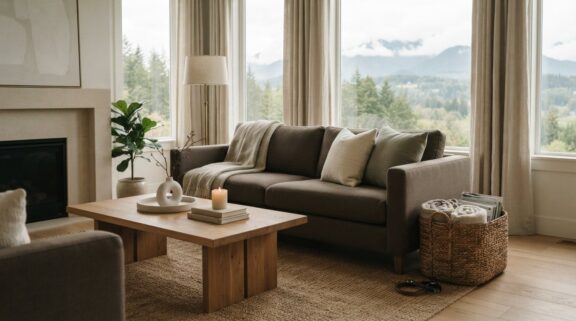
What if the secret to a record-breaking sale isn’t moving out, but simply changing the way you see your own living room? It’s a common fear that your personal style or the reality of daily life will deter buyers. You don’t have to live in a cold, clinical museum to attract a premium offer. Occupied home staging is about more than just tidying up; it’s a strategic curation that turns your lived-in reality into an aspirational lifestyle.
We understand the weight of the “showing-ready” stress. It’s a lot to manage. This 2026 guide is designed to help you transform your daily environment into a spacious, inviting listing without the need for a moving truck. We’ll explore how to organize your belongings with purpose, use your existing furniture to create a sense of flow, and leverage expert styling secrets to ensure every room feels like a fresh start for someone else. Discover how to balance the warmth of a home with the polish of a high-value listing.
Key Takeaways
- Learn how to master the “first 10 seconds” of a buyer’s experience by shifting your focus from personal comfort to market-ready curation.
- Discover why professional occupied home staging is a vital investment in the 2026 Fraser Valley market, helping you stand out without the cost of moving out early.
- Gain practical strategies to centre your living rooms around key focal points while maintaining a functional, stress-free household during daily life.
- Compare the financial and emotional benefits of staying in your home versus choosing vacant staging to find the best fit for your timeline and budget.
- Understand how a professional consultation and curated rental inventory can elevate your existing furniture to create a sophisticated, cohesive look that resonates with modern buyers.
What is Occupied Home Staging & Why it’s Essential in 2026
Selling a home in British Columbia’s current market requires a sharp shift in perspective. While decorating is about expressing your personal history, home staging is about marketing a high-value product. In 2026, buyers across Chilliwack and the Fraser Valley are more discerning than ever. They aren’t just looking for four walls; they’re looking for a lifestyle they can step into immediately. Occupied home staging bridges the gap between your daily reality and a buyer’s dream. It uses the furniture you already own as a foundation, layering in professional design principles to elevate the entire atmosphere. This approach is highly strategic. It transforms a house from “lived-in” to “move-in ready” without the high overhead of a vacant furniture rental package.
In the 2026 BC real estate market, “good enough” simply doesn’t cut it anymore. Buyers are prioritizing homes that require zero immediate work and feel professionally curated. You want to create an emotional connection that starts at the front door. This involves focusing on:
- Clutter-free surfaces that suggest a low-maintenance lifestyle.
- Intentional furniture layouts that maximize natural light.
- A sense of warmth that feels authentic rather than staged.
The Core Objectives of an Occupied Refresh
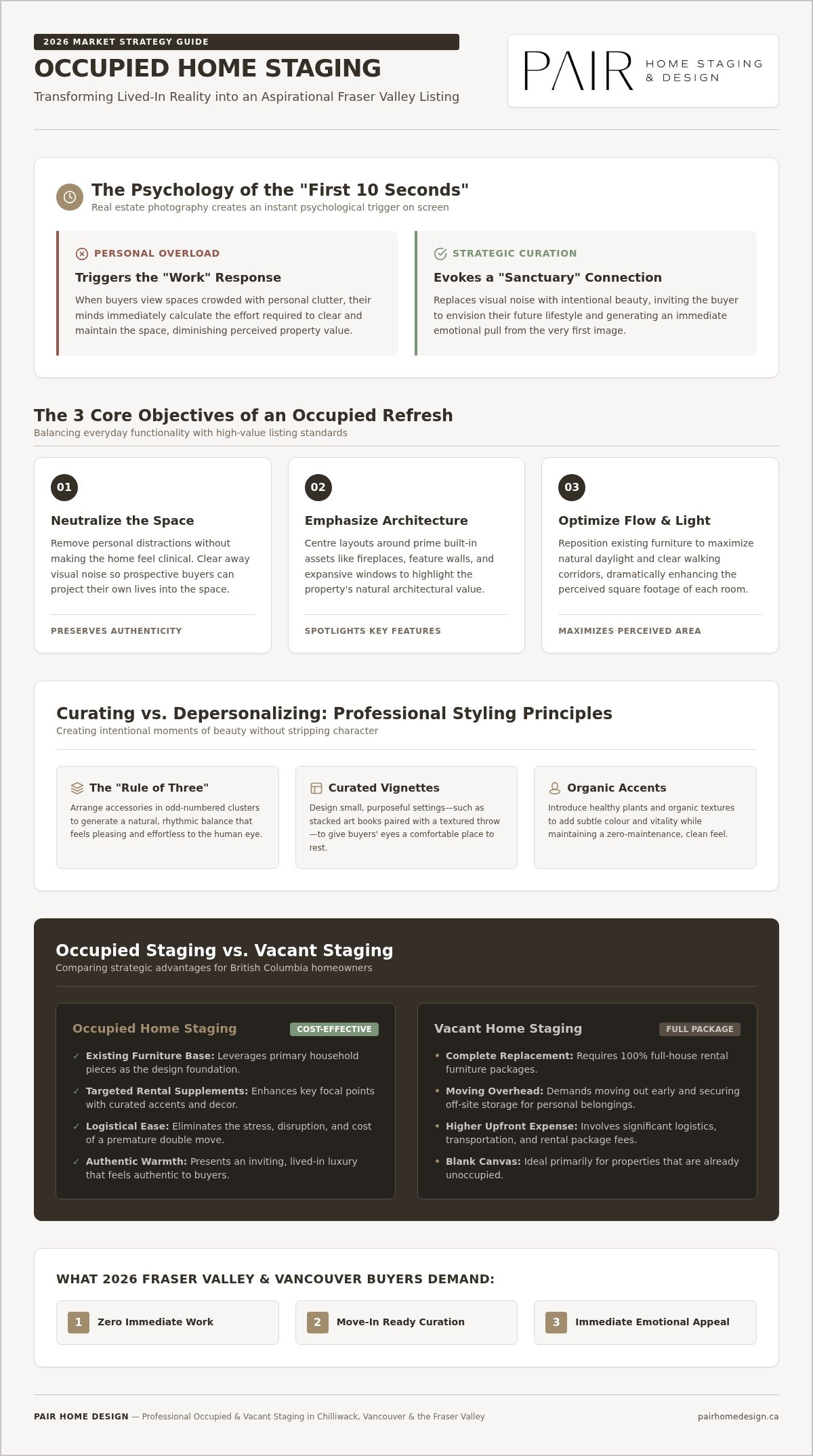
We focus on three primary goals during a refresh. First, we neutralize the space. This does not mean stripping away character or making the home feel cold. It means removing personal distractions so a stranger can envision their own life unfolding there. Second, we emphasize architectural features. If your home has a stunning fireplace or expansive windows, we ensure the layout helps to centre the room around those assets. Finally, we optimize flow. By repositioning your existing pieces, we make each room feel more spacious. A well-placed chair or a cleared hallway can change how a buyer perceives the square footage of the entire property.
Why Homeowners in Chilliwack and Vancouver are Choosing This Path
The decision to stay in your home while it’s on the market is often a practical, savvy choice. Choosing this path is incredibly cost-effective. You avoid the massive expense of storing all your belongings and renting a full house of furniture. Instead, you can supplement your pieces with our curated rental inventory for staging to add that necessary high-end finish. This process also reduces the emotional and logistical stress of a double move. In competitive markets from Vancouver to the Fraser Valley, properties that feel polished and inviting often see a shorter duration on the market. It’s about creating an atmosphere where a buyer feels an immediate emotional pull. When a house feels right, the sale follows naturally.
The Psychology of Styling: Turning Your House into a Buyer’s Dream
A buyer’s journey doesn’t start at your front door. It starts on a screen. The “first 10 seconds” rule of real estate photography is a psychological gauntlet. Within that brief window, a viewer decides if your home is a sanctuary or a chore. When a space feels overwhelmed by personal items, the brain triggers a “work” response. Instead of imagining a relaxing evening, the buyer is mentally calculating the effort required to clear the space. According to NAR’s home staging research, this mental shift can significantly impact the perceived value of a property. Effective occupied home staging works to silence that “work” response by replacing visual noise with intentional beauty. It’s about creating a sense of ease that makes a stranger feel immediately at home.
Curating vs. Depersonalizing
There is a delicate balance between a “blank canvas” and a “hollow shell.” You don’t need to strip every ounce of personality from your walls. A few large, well-framed family photos can actually ground a room, but a wall of fifty small snapshots creates visual clutter. We focus on curation. Successful occupied home staging relies on the art of the vignette. These are small, curated moments of beauty, such as a stacked set of books and a textured throw, that invite the eye to rest. Use the “Rule of Three” for styling: grouping items in odd numbers creates a natural visual rhythm that feels balanced to the human eye. Incorporating organic elements like healthy plants adds a splash of colour and life without demanding the buyer’s mental energy.
Defining Functional Zones
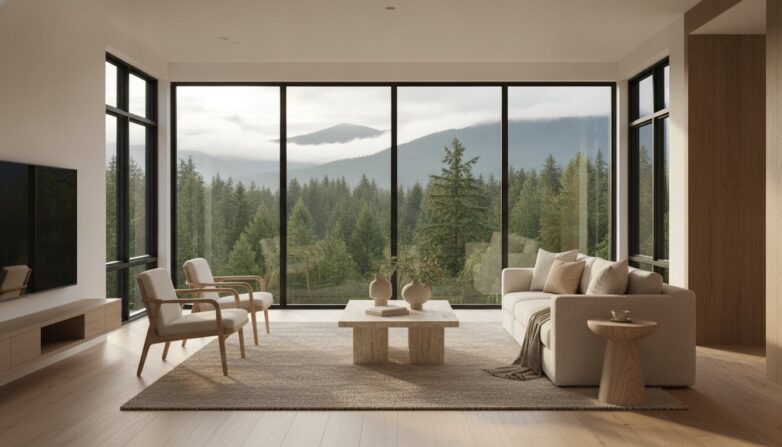
Buyers need to know how to live in your home. If you have an awkward nook under the stairs or an oversized landing, don’t leave it empty. In the 2026 market, a dedicated home office area is no longer a luxury; it’s a necessity for professionals in the Fraser Valley. By placing a slim desk and a comfortable chair in a previously unused corner, you define a new functional zone that adds tangible value. Every room should have one clear, singular purpose. When a buyer has to guess what a room is for, you’ve lost their interest. Ensuring the fireplace or a scenic view remains the centre of the living room helps guide the buyer’s focus. Anyone feeling overwhelmed by these choices will find that a professional home consultation provides the clarity needed to move forward with confidence.
Occupied vs. Vacant Staging: Which Strategy Wins for You?
Choosing the right strategy depends on your budget, your timeline, and the current state of your belongings. While vacant staging provides total control over every aesthetic detail, it often requires a significant financial commitment for full furniture rentals and the storage of your own items. Occupied home staging, by contrast, offers a more grounded and cost-effective alternative. It allows you to leverage the pieces you already love while presenting a house that feels like an authentic home. This “lived-in” warmth can be a powerful psychological trigger for buyers who want to see themselves in a space that feels functional and welcoming. However, this path requires a commitment to meticulous maintenance. Managing pets, children, and daily life while keeping a home in a “showing-ready” state is a challenge that requires a clear plan.
Many homeowners find that a hybrid approach offers the best of both worlds. We can keep your high-quality core pieces and supplement them with curated rental items like modern accent chairs, art, or fresh linens. This bridges the gap between your personal style and the sophisticated look modern buyers expect. It’s about elevating what you have rather than starting from scratch.
Is Your Current Furniture Market-Ready?
Not every piece of furniture is destined for the listing photos. Scale and condition are the most critical factors here. A sofa that is too large can swallow a living room, making it feel cramped and dark. Conversely, worn or dated upholstery can distract a buyer from the beautiful architectural details of your home. A professional home staging consultation is a vital first step to identify which pieces should stay and which should be tucked away in storage. This expert eye helps you realize which items add value and which ones are simply taking up space.
Timeline Considerations for BC Homeowners
Preparation for an occupied home often takes more emotional and physical effort than a vacant property. You aren’t just moving furniture; you’re editing your life. In the Fraser Valley, coordinating with real estate photographers requires your home to be at its absolute peak for a specific window of time. Managing the showing phase means developing a routine that allows you to transition from daily life to “museum-ready” in thirty minutes or less. It’s a temporary sacrifice that pays off when you see the final sale price. By organizing your space strategically, you ensure that every minute spent on prep translates into a more compelling listing that stands out in the 2026 market. Occupied home staging is a marathon of maintenance, but the finish line is a high-value sale.
The Occupied Staging Survival Guide: Room-by-Room Tips
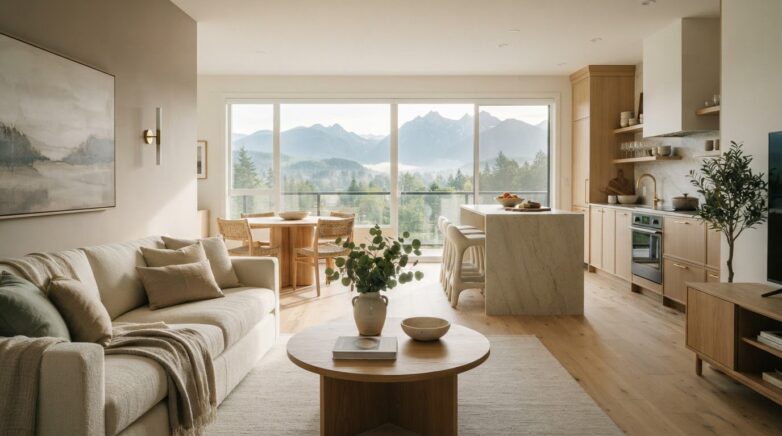
Living in a staged house requires a shift in daily habits. It’s a temporary lifestyle change where your home becomes a high-value product on display. Successfully managing occupied home staging is a marathon of maintenance. It requires a strategic approach to each room to ensure the property feels like a sanctuary, not a lived-in chore. In the kitchen, the goal is clear surfaces. While you can keep a stylish coffee maker on the counter, you should hide the toaster, the mail, and the dish soap. The living room should be centred around a singular focal point, such as a fireplace or a mountain view, to guide the buyer’s eye. In the primary suite, aim for a hotel-inspired sanctuary by using neutral bedding and removing all bedside clutter. Finally, the entryway must be impeccable. A simple mirror and a clean rug make that crucial first impression count.
The 15-Minute ‘Showing Ready’ Routine
You need a plan for when that last-minute showing request comes through. Use decorative baskets to quickly hide daily essentials like toys or remote controls. These can be tucked into a closet or the trunk of your car in seconds. Open every blind and turn on every light to make the space feel as large as possible. If you have pets, ensure their beds and bowls are out of sight. Neutralizing odours is vital; avoid heavy perfumes and instead opt for a quick burst of fresh air. A clean, neutral-smelling home suggests a well-maintained property that is ready for a new owner.
Small Changes with Big ROI
You don’t need a full renovation to see a significant return. Swapping out dated cabinet hardware or old lighting fixtures can modernize a room instantly. In the bathroom, use the “white towel” trick. Replacing mismatched linens with fluffy, bright white towels creates an immediate spa-like atmosphere. These are small changes to increase listing value that fit nearly any budget. These subtle updates signal to a buyer that the home is cared for and current. If you feel overwhelmed by the to-do list, book a consultation with Pair Home Design to prioritize the updates that will truly move the needle for your sale.
Partnering with Pair Home Design: Your Fraser Valley Staging Experts
At Pair Home Design, we don’t believe in clinical, cold perfection. Rita and her team understand that your home is a reflection of your history. Our approach to occupied home staging is designed to simplify what often feels like an overwhelming mountain of tasks. We act as your intuitive guide, blending professional market savvy with a deep respect for your daily life. Whether you are listing a character home in Chilliwack, a modern townhouse in Abbotsford, or a sleek condo in Vancouver, we bring a design-forward aesthetic that helps properties sell faster. We focus on how a space feels to a human being, ensuring every room resonates with potential.
Local realtors frequently turn to us for “The Agent’s Edge.” They recognize that our detail-oriented process translates into more compelling photography and, ultimately, higher offers. We don’t just rearrange furniture; we curate an aspirational lifestyle. One of the most effective ways we achieve this is through our curated rental inventory for staging. By layering in sophisticated accessories, modern art, or high-quality linens, we elevate your existing pieces to meet the high standards of the 2026 real estate market. This hybrid strategy allows you to maintain the comfort of your home while presenting a polished, market-ready product.
Our Collaborative Approach
We work closely with your existing style to enhance the inherent character of your space. Our goal is never to erase your personality, but rather to curate it for a wider audience. During our time together, we provide actionable advice you can implement immediately. This hands-on guidance reduces the logistical and emotional stress of the listing process. We provide a clear plan that helps you prioritize your efforts, ensuring you don’t waste time on updates that won’t move the needle. It’s a partnership built on transparency and a shared goal of a successful sale.
Ready to Elevate Your Listing?
In a competitive BC market, standing out requires a strategic edge. A professional consultation is the smartest first step for any homeowner looking to maximize their return. It provides the clarity needed to transform your daily environment into a high-value listing that captures a buyer’s imagination. We help you see your home through the eyes of a stranger, identifying the small changes that create a big impact. Book your occupied staging consultation today and let’s work together to make your home the one buyers can’t forget.
Your Path to a Premium Sale Starts Today
Navigating the real estate market in 2026 doesn’t have to mean living in a state of constant upheaval. By embracing occupied home staging, you’ve learned how to leverage your existing furniture while creating the emotional resonance buyers crave. You now have the tools to manage the daily “showing-ready” routine and the psychological insights to highlight your home’s best architectural features. It’s about more than just decluttering; it’s about curating a lifestyle that resonates with buyers from Chilliwack to Vancouver.
As a proud RESA member with a design-forward aesthetic, Pair Home Design is ready to be your trusted partner in this journey. We specialize in turning lived-in spaces into high-value listings that stand out for all the right reasons. Whether you need a full refresh or a strategic plan to implement on your own, we’re here to guide you toward a faster sale and a higher return. Book Your Occupied Home Staging Consultation today and take the first step toward a successful, stress-free transition. Your home has a story; let’s make sure buyers see the very best version of it.
Frequently Asked Questions
What is the difference between occupied and vacant home staging?
Occupied staging uses your own furniture as the foundation, while vacant staging involves furnishing an empty house from scratch. Occupied staging is a collaborative process where we curate your belongings to highlight the home’s potential. It’s often more cost-effective for families who haven’t moved yet. In contrast, vacant staging requires renting entire sets of furniture to define spaces that would otherwise feel cold and cavernous to buyers during their walkthrough.
Do I have to move all my furniture out for occupied staging?
No, you definitely don’t need to move everything out. The goal of occupied home staging is to work with your existing pieces to create a market-ready look. We might suggest moving specific items into storage if they are over-scaled or distract from the architectural flow. Often, we simply reposition your favourite pieces and supplement them with items from our rental inventory to add that professional, high-end finish that modern buyers expect.
How much does occupied home staging cost in British Columbia?
Costs for staging services across the Fraser Valley and Greater Vancouver vary based on the size of your property and the level of support you need. Some homeowners start with a flat-rate consultation to get a clear action plan they can implement themselves. Others choose a full staging project that includes furniture arrangement and decor rentals. Since every home is unique, we recommend a consultation to determine the most effective strategy for your specific budget and goals.
How do I keep my house staged while living in it with kids and pets?
Success comes down to a manageable daily routine and smart storage solutions. We recommend using decorative baskets or “quick-hide” bins for toys and daily essentials that can be tucked away in seconds before a showing. Focus on maintaining clear surfaces in high-traffic areas like the kitchen and entryway. It’s a temporary commitment to a “museum-ready” state, but having a designated spot for pet bowls and kids’ gear makes the transition from daily life to listing-ready much smoother.
Can I stage my home myself or do I need a professional?
You can certainly handle the decluttering and cleaning yourself, but a professional stager brings an objective, market-savvy eye to the process. We understand the psychological triggers that influence buyers in the Chilliwack and Vancouver markets. A professional consultation provides you with a prioritized checklist, ensuring you spend your time and energy on the changes that will actually increase your listing’s value rather than guessing what might work for your target audience.
Which rooms are the most important to stage in an occupied home?
The “big three” are almost always the kitchen, the living room, and the primary bedroom. These are the spaces where buyers spend the most time imagining their future lives. The entryway is also critical because it sets the tone for the entire tour. In the current market, a dedicated home office or a functional flex space is another high-priority area. We focus our efforts where they will have the greatest impact on buyer perception and emotional connection.
How long does the occupied staging process usually take?
The timeline depends on how much preparation you’ve already done. A professional consultation for occupied home staging usually takes a few hours and provides an immediate roadmap. The actual staging day, where we move furniture and style the space, often happens in a single day. However, we recommend starting the process at least two to three weeks before your photography session. This gives you ample time to declutter, complete minor repairs, and organize your storage.
Will staging really help my home sell for more in the Fraser Valley?
Professional staging is a proven marketing strategy that helps homes stand out in a competitive landscape. By presenting a polished, aspirational environment, you help buyers justify a higher offer and reduce the time your property sits on the market. In regions like Abbotsford and Langley, buyers are looking for move-in-ready homes that feel fresh and intentional. Staging transforms your house into a product that looks better in photos and feels better in person.