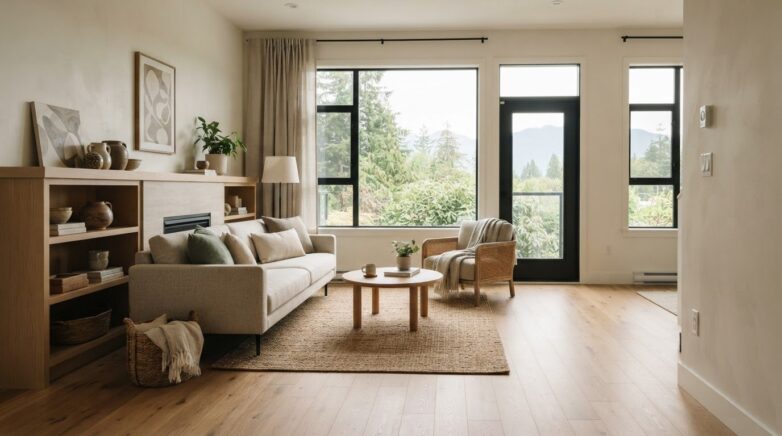
Small Decor Changes to Make Before Listing Your Home

A home doesn’t need a makeover to make a thoughtful first impression. Often, small decor changes before listing can help rooms feel brighter, more cared for, and easier for buyers to imagine as their own, without setting aside your personal taste entirely.
If you’re unsure where to begin, start by looking at the home as a visitor might. It can be hard to tell which details draw attention and which updates are worth your time, especially when a few considered edits may do more for a room than a dramatic change. The goal is clarity and warmth, not a complete makeover.
In this guide, you’ll find achievable ways to create a more cohesive impression, from editing personal decor to refreshing key details and welcoming visitors at the entrance. You’ll also learn how to focus your effort on changes that suit your home, and when a pre-listing consultation or professional styling can help bring your existing furnishings and decor together with intention.
Key Takeaways
- Small decor changes before listing can refresh a home’s presentation through reversible edits to colour, lighting, textiles, and arrangement.
- Use a restrained palette and clear window areas to help rooms feel brighter and more visually connected.
- Work through the entry, living area, kitchen, primary bedroom, and bathrooms, editing and cleaning before you shop.
- Decor can support a sense of care and clarity, but it can’t resolve maintenance or layout concerns or guarantee a sale result.
- A pre-listing consultation can help you prioritize changes, while professional styling can bring existing furnishings and carefully selected decor together.
Small Decor Changes Before Listing: What Makes the First Impression Feel Finished?
You don’t need to transform your whole home to make it feel more considered. Before listing, thoughtful edits can refresh how rooms look by working with what’s already there: adjusting colour, textiles, accessories, lighting, and furniture arrangement. The aim is a calm, cared-for impression, not to erase every sign that someone lives in the home.
A decor edit refines a room’s appearance through changes to its finishes, furnishings, and arrangement; a renovation changes or upgrades the home itself. A decor edit might mean removing a crowded collection from a shelf, simplifying cushions, or repositioning a lamp. These choices are usually easier to adjust than construction work, though the right scope depends on the home and the change.
Home staging offers a broader context for these choices: it uses presentation techniques to help a property show clearly to prospective buyers. Small decor changes before listing can be part of that preparation, but they’re only one piece of the home’s overall presentation.
Which details shape a buyer’s first impression?
The arrival sets the tone. A tidy entry, a clear surface for keys or mail, and welcoming light can help visitors settle in and take in the space. From there, visual flow matters: a consistent palette, uncluttered walkways, and furnishings arranged with a clear purpose can make rooms feel connected and easier to understand. These visual principles hold true in any market; whether preparing a suburban home or browsing resort properties on spaindinavia.com, bright, well-organized rooms help buyers focus on the space itself. While buyers bring different preferences, a thoughtful, uncluttered presentation simply gives them room to notice the home.
Decor edits versus repairs and renovations
Styling is not a substitute for addressing maintenance. A well-placed accessory can add warmth, but it won’t resolve visible damage, a persistent leak, or another property concern. Keep cosmetic decisions separate from repairs, and choose a realistic scope based on the home’s condition and listing timeline. If a concern may affect the property’s condition or safe use, seek appropriate guidance rather than trying to disguise it with decor. Presentation can support visual clarity, but it can’t determine an appraisal or guarantee a sale outcome.
A practical starting point is to walk through the home as a visitor might. Notice what draws your eye first, where movement feels interrupted, and which details make a room feel busy or unfinished. Then prioritize the edits that improve clarity and warmth without turning pre-listing preparation into a full makeover.
How Colour, Lighting, and Texture Make Pre-Listing Decor Feel Cohesive
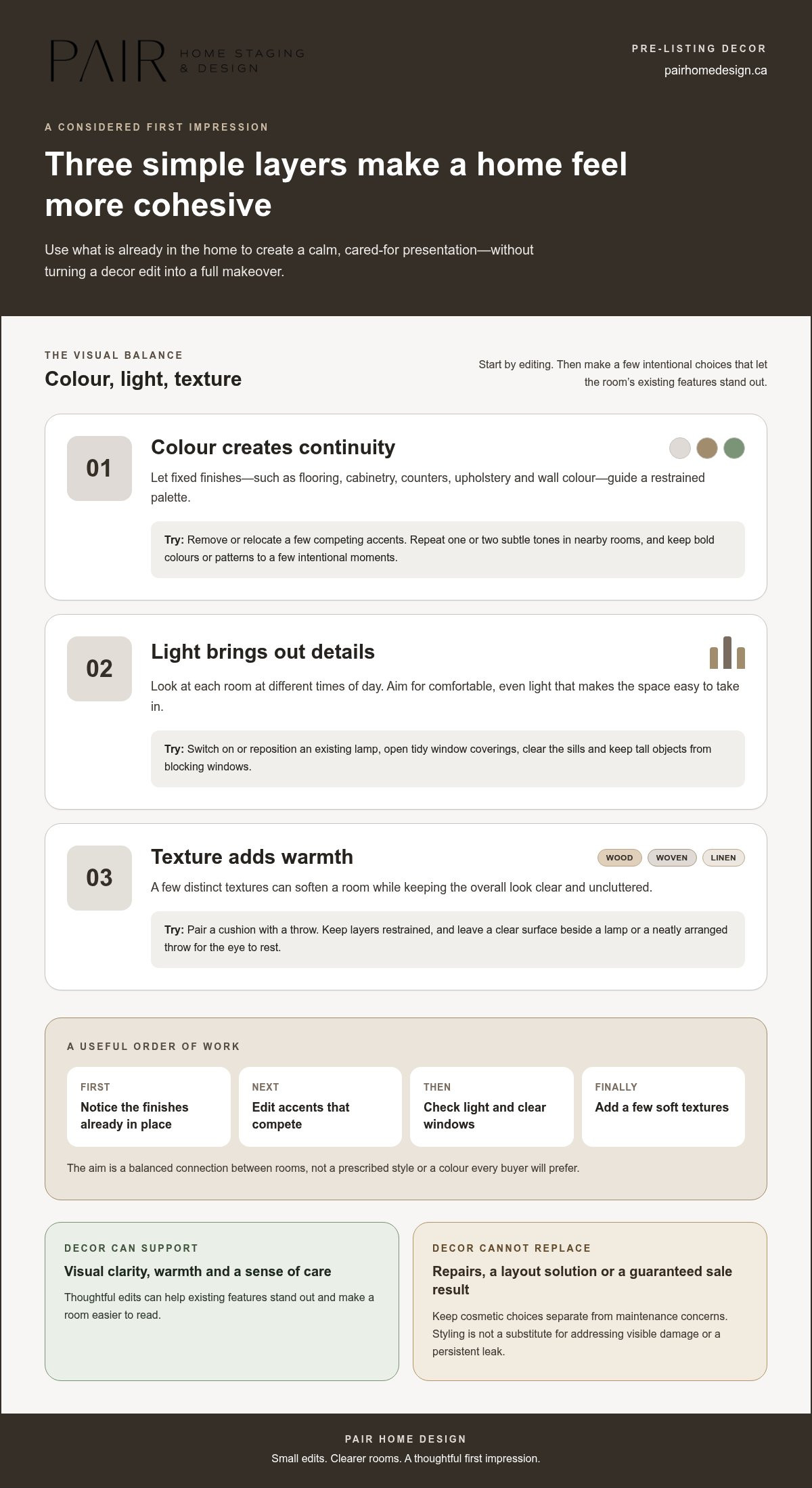
A room can feel pulled together without repainting every wall or replacing furnishings. Before adding anything, look at the colours and finishes already in place: flooring, cabinetry, counters, upholstery, and wall colour. These existing elements can guide a restrained palette that carries gently from one room to the next.
Colour creates continuity, light brings out a room’s details, and texture adds warmth without visual clutter. Together, these elements can make a home feel considered while keeping its character intact.
Choose colour accents that support the home
Start by editing, not shopping. If several bold accent colours compete across cushions, artwork, and accessories, remove or relocate a few pieces and notice how the room feels. Then use the home’s fixed finishes as your palette guide. For example, a soft neutral textile may sit comfortably beside warm-toned flooring, while a muted green accent might complement existing natural finishes. These are options, not universal rules. Aim for a balanced connection between rooms, not a prescribed style or colour that every buyer will prefer.
Small decor changes before listing can be as simple as repeating one or two subtle tones in nearby spaces. A cushion colour echoed in a throw or small accessory can create a quiet sense of continuity. Keep the strongest patterns or colours to a few intentional moments so they don’t distract from the room itself.
Use lighting and texture to add warmth
Look at the room at different times of day. A dim corner may feel more balanced with an existing lamp switched on or repositioned, while opening tidy window coverings can make better use of available natural light. Clear the sills and avoid placing tall objects where they block the window. Aim for comfortable, even light rather than relying on a single dark corner or an overly bright overhead fixture.
Texture adds softness, but restraint matters. A coordinated cushion and throw can make a seating area feel inviting; too many layers can make it look crowded. Consider natural-looking materials already in the home, such as wood, woven fibres, or linen, and let a few distinct textures do the work. A clear surface beside a lamp or a neatly arranged throw gives the eye a place to rest. Similar styling principles are often seen in premium hospitality, including luxury villa rentals Switzerland, where high-quality natural textures and uncluttered layouts evoke an effortless sense of comfort.
For a wider look at how presentation supports a property’s showing, the National Association of REALTORS® shares its 2025 Profile of Home Staging. If you’d like help coordinating existing furnishings and decor, pre-listing styling guidance can help you shape a cohesive plan around your home.
Do Small Decor Changes Matter? What They Can and Cannot Do
Small decor changes before listing can make a room easier to read and help its existing features stand out. They work best as presentation choices, not as a shortcut around property concerns. Clearing a crowded console, adjusting furniture to open a path, or removing accessories that compete for attention may help a space feel more usable. But no cushion, lamp, or carefully arranged shelf can fix an awkward layout, resolve deferred maintenance, or guarantee a particular appraisal or sale result.
Think about the scope of each change. Editing what you own is typically a low-disruption first step: you can work room by room and see what the space needs before spending on anything new. Larger projects may involve more time, coordination, and disruption, so consider whether the change has a clear purpose and fits the home’s condition and listing timeline. A fresh coat of paint or new fixture may be appropriate in some cases, but it isn’t automatically the best next move.
When a small update is a sensible choice
Choose edits that clarify a room’s use or draw attention to a feature worth noticing. Before buying replacement decor, put away extra accessories and take another look. Stand in the doorway: does your eye land on the window, fireplace, or seating area, or get caught on scattered objects? A focused edit can reveal what’s working and what, if anything, needs adjusting.
A simple decision guide:
- Worth trying: Remove visual distractions, clear a walkway, or reposition existing pieces to make the room’s purpose easier to understand.
- Pause and assess: Consider a larger change only when you can identify what it addresses and it fits your preparation schedule.
When decor is not the answer
Don’t use styling to hide damage or put off addressing a property concern. A throw over a marked area or an accessory placed in front of a problem may make the issue harder to see temporarily, but it doesn’t resolve it. Keep presentation choices separate from repair decisions, and seek qualified advice when you’re unsure how to address a maintenance or condition issue.
For a broader view of preparation tasks, Opendoor’s complete home preparation checklist covers areas such as decluttering, repairs, and staging. Use resources like this to distinguish a styling edit from work that needs a different plan. Decor’s benefit is modest but useful: it can support a cared-for impression and visual clarity. Its limits matter just as much. It can’t change the home’s underlying condition or predict how buyers, an appraiser, or the market will respond.
A Room-by-Room Plan for Small Decor Changes Before Listing
Work through the home in a steady order, beginning where visitors arrive and moving towards the more private rooms. This keeps the task manageable for homeowners across the Fraser Valley and Greater Vancouver, including those preparing a detached house, townhouse, condo, or another type of property. In each space, edit first, clean visible surfaces, then arrange what remains. Shop only if you can identify a specific gap.
Start with the entry and main living areas
Entry: Clear a comfortable path from the door and put away shoes, bags, and small items that compete for attention. Wipe down visible surfaces and keep only a few useful or welcoming details in view.
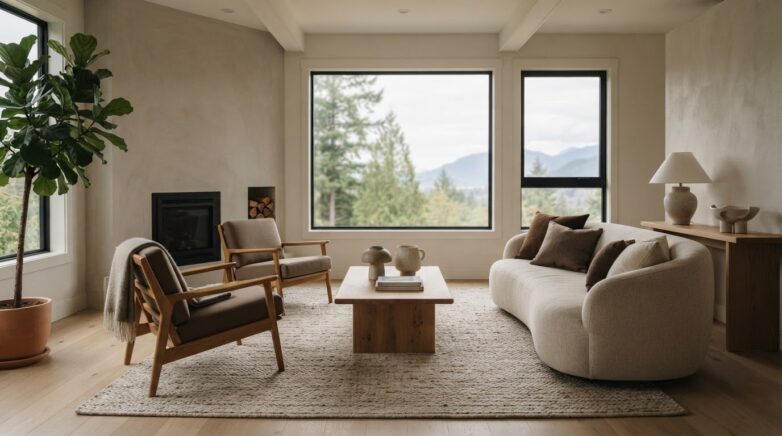
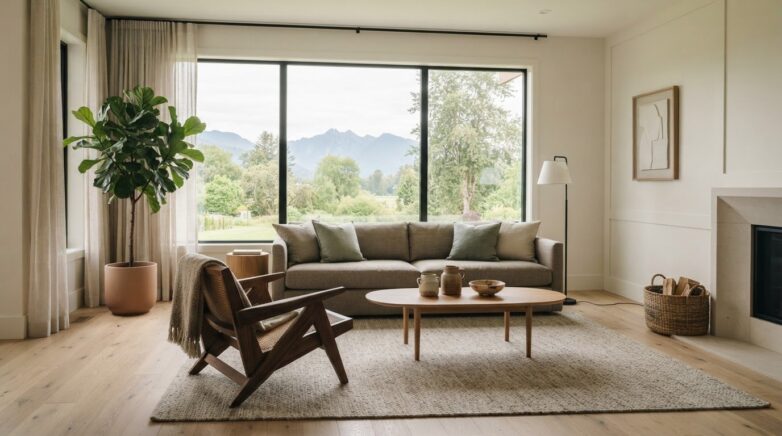
Living area: Arrange seating so conversation feels natural and people can move through the room without navigating around furniture. Edit shelves and coffee tables, leaving space around a fireplace, window, or other focal feature. Dust the surfaces you’ve cleared, and use existing decor selectively rather than filling every open spot.
Refresh kitchens, bedrooms, and bathrooms
Kitchen: Clear counters of everyday clutter, then clean the exposed surface. Keep a small number of useful, intentional accents, and make sure they don’t crowd the areas used for food preparation.
Primary bedroom: Make the bed neatly with coordinated bedding you already own. Clear bedside tables and keep their styling restrained, so the room feels restful rather than over-arranged.
Bathrooms: Put away excess products, clean the counter and mirror, and hang fresh, tidy towels. Keep necessary items accessible for daily use, but reduce what’s on display.
Save this five-step sequence: entry, living area, kitchen, primary bedroom, bathrooms. In each room, edit what’s visible, clean the surfaces, arrange existing items, and only then decide whether anything needs to be added.
Finish with a quick walk through the home as if you were arriving for a viewing. Notice where your eye lands and whether the route through each room feels clear. These small decor changes before listing are most useful when they suit the home’s existing furnishings and feel achievable alongside everyday life. If you’d like help prioritizing room-by-room edits and bringing existing pieces together, book a pre-listing styling consultation.
When Professional Home Styling Can Help Before You List
Sometimes the hardest part isn’t making changes, it’s deciding which ones matter most. A fresh perspective can help you see where a room feels crowded, where furniture interrupts the flow, or which features deserve more attention. That guidance can be useful in an occupied home, where everyday belongings need to remain functional, and in a vacant home, where considered staging can help rooms feel purposeful rather than bare.
What a pre-listing styling perspective can clarify
A pre-listing consultation offers a practical starting point. Rita can help prioritize what to edit, retain, rearrange, or emphasize in each space, so you can focus on achievable changes rather than taking on a full-home makeover. Furniture placement and carefully selected decor can support visual balance and make it easier to understand how a room might be used.
Home styling brings cohesion to existing furnishings and chosen accents, while home staging supports the property’s presentation for real estate. The approach is tailored to the home: sometimes the most helpful change is removing an item, and sometimes a room needs selected pieces to feel more complete. For more on what to expect from this first step, explore the pre-listing consultation guide.
Rita is a member of the Real Estate Staging Association and brings a professional staging perspective to decisions about presentation. That can be especially helpful when you’ve lived in a space for years and are used to its familiar arrangement. An outside eye can help you assess it as a visitor might, while keeping the plan grounded in your home’s condition and listing timeline.
A polished next step for Fraser Valley homeowners
Pair Home Design provides pre-listing consultations, home staging, and styling for homeowners across the Fraser Valley and Greater Vancouver. Whether you’re making small decor changes before listing in an occupied home or preparing a vacant property for viewings, the focus is on considered presentation, with curated pieces selected to support the space.
You don’t need to have every detail figured out before seeking guidance. A tailored conversation can help bring the next steps into focus and make preparation feel more manageable. Explore home staging and styling with Pair Home Design for support in presenting your home with clarity and care.
Make Your Home Feel Ready, One Thoughtful Edit at a Time
Preparing to list doesn’t have to mean transforming every room. Small decor changes before listing can help your home feel more cohesive and cared for when you focus on what’s already there: edit competing accessories, create clear pathways, and use colour, lighting, and texture with intention.
Start with the entry, then move through the main living areas, kitchen, bedroom, and bathrooms. Clean and rearrange before buying anything new. Keep presentation in perspective, too: styling can support visual clarity, but it can’t replace repairs or promise a particular appraisal or sale outcome.
If you’re unsure which changes make the most sense for your home, a professional perspective can help you prioritize. Rita of Pair Home Design is a member of the Real Estate Staging Association, and Pair Home Design serves homeowners across the Fraser Valley and Greater Vancouver with pre-listing consultations, home staging, and styling.
Explore home staging and styling with Pair Home Design to take the next step towards a welcoming, thoughtfully prepared home. Small, considered edits can bring your home’s best features into focus.
Frequently Asked Questions
What small changes should I make to my home before listing?
Start with small decor changes before listing that improve clarity and a sense of care: remove excess accessories, clear surfaces, open window coverings, and arrange furniture to leave comfortable pathways. Clean visible areas before adding anything new. Then consider whether a few coordinated textiles or a lamp you already own would help a room feel more balanced. Keep repairs separate from styling, since decor can’t resolve property condition concerns.
Do decor changes increase a home’s value before it goes on the market?
Decor changes can support a home’s presentation, but they don’t guarantee a higher appraisal, sale price, or faster sale. Editing clutter, improving room flow, and highlighting existing features may help buyers understand and experience the space. A property’s value depends on factors beyond its decor, and styling can’t correct maintenance or condition issues. Treat cosmetic updates as presentation choices, not a promise of financial return.
Should I repaint before listing my home in British Columbia?
Repainting may be worth considering if walls look scuffed, visibly worn, or strongly personalized, but a full repaint isn’t automatically needed. First clean the walls where appropriate and assess the home’s overall condition, timeline, and existing finishes. If you do paint, choose a colour that works with the fixed elements and feels cohesive from room to room. Don’t use paint to conceal damage or unresolved moisture concerns.
How can I make my home look more appealing without renovating?
Focus on editing and arranging what you already own. Clear walkways and counters, remove accessories that compete for attention, make beds neatly, and keep window coverings tidy to let in available natural light. Turn on lamps where a room feels dim, and use a few coordinated textiles to add warmth. These manageable steps can make rooms feel more intentional without changing the home’s layout or structure.
Can I make small decor changes while still living in my home?
Yes. Choose practical edits that keep everyday rooms functional, such as storing some personal items, clearing kitchen counters after use, and simplifying bedside or bathroom surfaces. You don’t need to remove every sign of daily life. Instead, create a repeatable routine for tidying before photos or viewings, and keep essential belongings organized and accessible. A pre-listing consultation can help tailor occupied-home styling to your space.
Which rooms should I refresh first before listing?
Begin at the entry, then move through the living area, kitchen, primary bedroom, and bathrooms. These spaces shape the arrival, show how shared rooms function, and offer clear opportunities to tidy and edit. In each one, put away excess items, clean visible surfaces, and arrange existing furnishings before buying decor. If your time is limited, start with the areas that feel busiest or interrupt the flow through the home.
Is professional home styling worth considering before listing?
Professional styling can be useful if you’re unsure what to keep, move, or emphasize, or if a vacant home needs a more purposeful presentation. Pair Home Design offers pre-listing consultations, home styling, and staging; Rita is a member of the Real Estate Staging Association. The company serves Chilliwack, Abbotsford, Hope, Mission, Langley, Maple Ridge, Coquitlam, Surrey, Burnaby, and Vancouver, across the Fraser Valley and Greater Vancouver.