How to Make Your Home More Appealing to Buyers
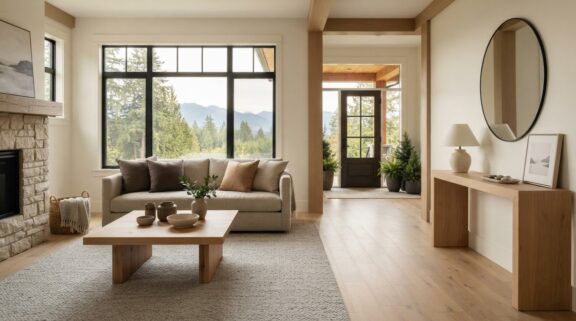
You don’t necessarily need a major renovation to help buyers feel at home in your property. Often, the difference lies in how clearly each space is presented. If you’re wondering how to make home more appealing to buyers, start with the details that shape a first impression, from the front entrance to the way rooms are arranged and cared for.
It can be hard to see your home through a buyer’s eyes, especially when you’re deciding which jobs deserve attention before listing. Thoughtful, practical changes can make a home feel more welcoming without turning preparation into a major project. Focus on making its strengths easy to notice and its potential easy to imagine.
This guide covers practical ways to improve curb appeal, declutter, review lighting and clarify each room’s function. It also explains how a pre-listing consultation, professional staging or styling can help bring the presentation together. Pair Home Design works with homeowners and realtors across Chilliwack, Abbotsford, Hope, Mission, Langley, Maple Ridge, Coquitlam, Surrey, Burnaby and Vancouver.
Key Takeaways
- To decide how to make home more appealing to buyers, prioritize visible presentation and basic upkeep before considering larger renovations.
- Clear pathways and purposeful room layouts help buyers understand how each space can work in everyday life.
- For occupied homes, a simple walk-through can reveal distractions to edit and rooms whose function needs clarifying.
- Assess each possible improvement by its effort, visibility, and ability to make the home’s condition easier to understand.
- A tailored consultation, staging or styling can help bring flow and presentation into focus, including in vacant or partially furnished homes.
First Impressions Make Your Home More Appealing
Preparing to sell can feel overwhelming, especially when a long list of details competes for your attention. You don’t need to fix everything at once. If you’re deciding how to make home more appealing to buyers, begin with the arrival experience: the path to the entrance, the front door and the first rooms visitors see. A focused review of these areas can help you prioritize without turning preparation into a major project.
Buyer appeal comes from a clear, cared-for presentation that helps people notice a home’s potential. That doesn’t mean every surface must be new or every imperfection repaired. Reduce distractions, address visible maintenance and make the transition from outdoors to indoors feel natural. A tidy, welcoming entry can make a stronger impression than an expensive feature that doesn’t suit the home.
What do buyers notice when they first arrive?
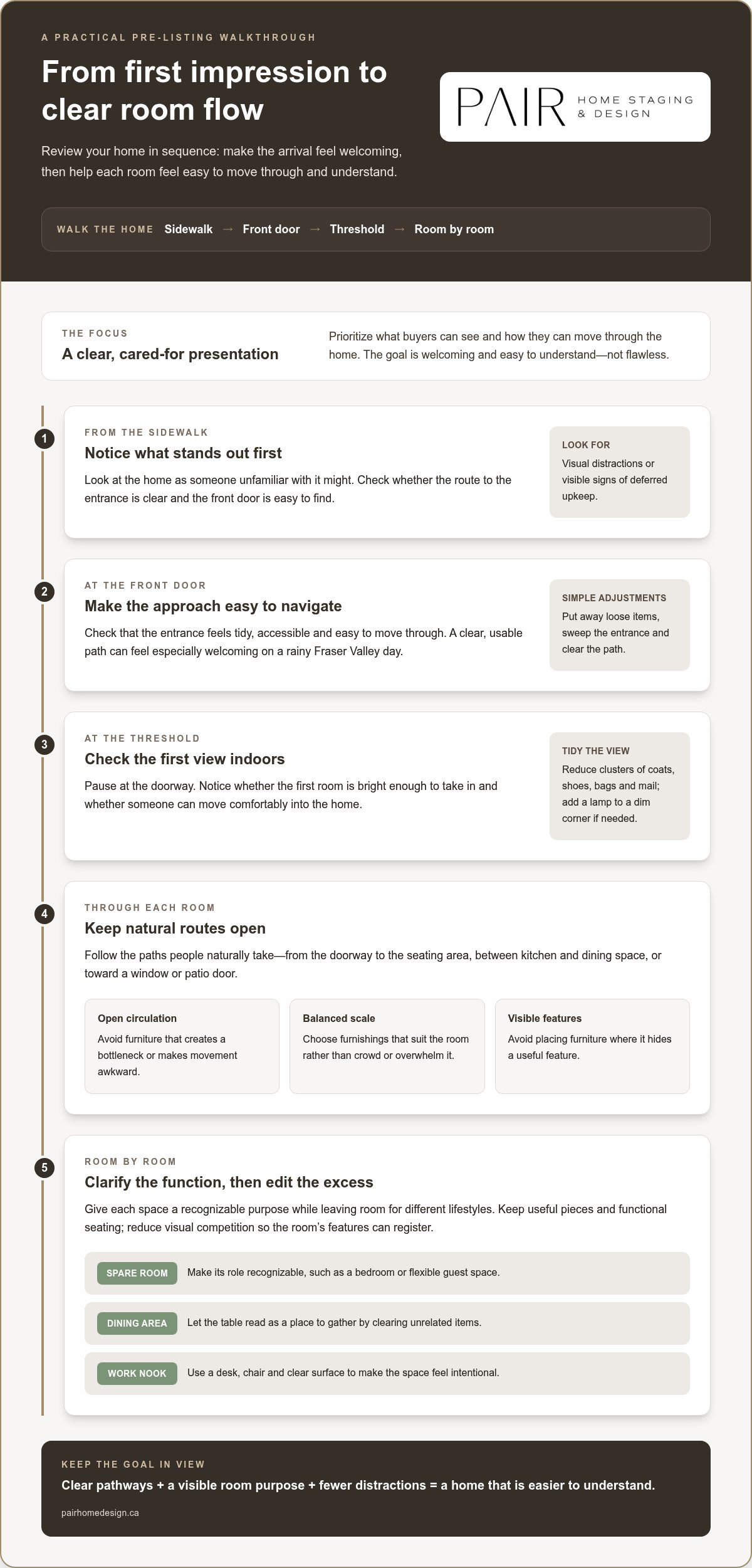
Take a fresh look from the sidewalk, as someone unfamiliar with your home might. Is the route to the entrance clear? Is the front door easy to find? What draws your eye first? A crowded porch, an item left out or a dim entry can distract from the home. In the Fraser Valley, a clear, usable path can feel particularly welcoming on a rainy day.
How can the entry set a welcoming tone?
Pause at the doorway and look inside before stepping in. Is the first view bright enough to take in? Can someone move comfortably into the home? A clear pathway, comfortable lighting and one or two considered details can create a calm welcome. Coats, shoes, bags and mail are part of daily life, but a cluster of them can make an entrance feel smaller and less settled.
Try this quick arrival check before deciding what to change:
- From the sidewalk: Look for visual distractions or signs of deferred upkeep that stand out more than the home itself.
- At the front door: Check that the approach and entrance feel tidy, accessible and easy to navigate.
- From the threshold: Notice the first room, the light and whether the transition indoors feels clear.
Start with straightforward adjustments: put away loose items, sweep the entrance, clear a path or add a lamp to a dim corner. If you rent, choose movable solutions and avoid structural changes unless they’re needed. Staging can also help arrange furnishings and décor so a home’s function is easier to understand. What is Home Staging? offers a general overview of its purpose and common techniques.
The goal is a welcoming first impression, not a flawless one. Once the entrance and initial view feel composed, move farther into the home and consider how the rooms connect. Small, considered choices can help buyers settle into the space and see beyond the details of someone else’s everyday routine.
How Room Flow and Staging Help Buyers Picture Life at Home
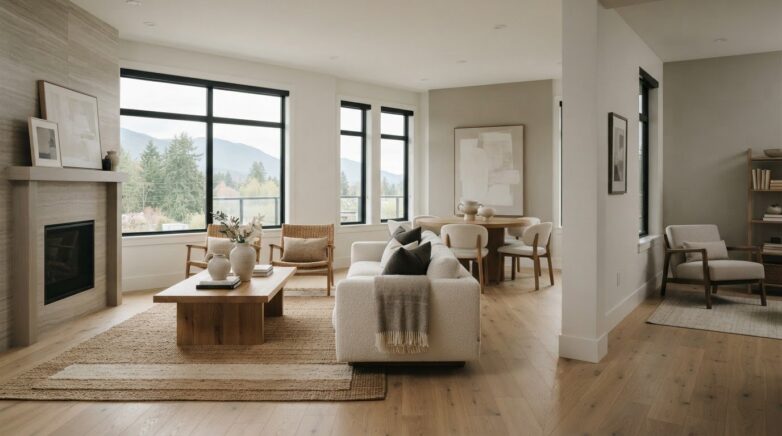
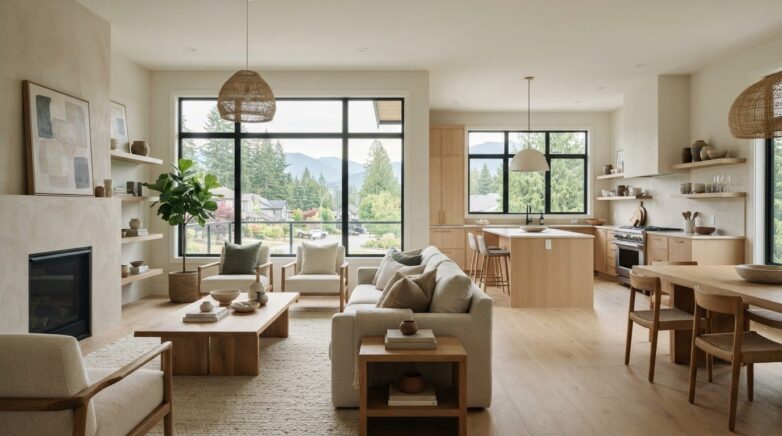
A room can look attractive yet feel difficult to use if furniture interrupts the natural route through it or its purpose is unclear. Staging means arranging furnishings and décor to help people understand a home’s function and possibilities. It isn’t about imposing one particular taste. It’s about making the layout feel coherent, comfortable and easy to read.
Imagine a living room where an oversized chair blocks the route to the window, the sofa crowds the entrance and a desk shares a corner with miscellaneous storage. The room may seem smaller, and its uses may be harder to picture. A more balanced arrangement, with clear walking routes and a defined seating area, can make the same room feel more open without changing its dimensions. Buyers can still imagine using it in their own way, but the layout gives them a clearer starting point.
How can furniture arrangement improve room flow?
Start with the routes people naturally take: from the doorway to the seating area, between the kitchen and dining space, or towards a window or patio door. Keep those paths open. Avoid placing furniture where it hides a useful feature or makes movement awkward. Scale matters, too. A bulky sectional can dominate a compact room, while a few well-proportioned pieces may make it feel calmer and more balanced.
Why should each room have a clear purpose?
A room with an undefined mix of furniture and storage can leave visitors guessing about how it might be used. Give a spare room a recognizable role, such as a bedroom or flexible guest space. A dining area reads more clearly as a place to gather when the table isn’t covered with unrelated items. A small work nook can feel intentional with a desk, chair and clear surface. Keep the arrangement simple enough to leave room for different lifestyles.
When a room’s purpose is clear, buyers can more easily imagine how they might use the space. That clarity can be especially helpful in smaller homes or multi-purpose rooms, where each area may need to serve more than one function. You don’t need to remove every personal touch. Reduce visual competition so the room’s useful features have room to register.
As you review a room, consider whether it has:
- Open circulation: A comfortable route through the space, without furniture creating a bottleneck.
- Balanced scale: Furnishings that suit the room rather than crowding or overwhelming it.
- A visible function: A clear focal arrangement that suggests how the space can be enjoyed.
Keep useful pieces and functional seating, then edit the excess. A dining chair being used as a laundry stand or boxes filling a spare room may be part of everyday life, but they can obscure the room’s potential during a viewing. For background on how exterior presentation relates to resale, the National Association of REALTORS® discusses Impact of Curb Appeal on Home Sales, another part of the experience that leads buyers from arrival into the home.
For a fresh perspective on how furniture placement and room purpose work together, explore home staging and styling guidance from Pair Home Design.
Which Home Improvements Make the Biggest Difference Before Listing?
Not every improvement deserves the same time, effort or commitment. To decide how to make home more appealing to buyers, sort potential tasks into three groups: presentation, basic upkeep and larger renovation. This helps you address distractions without assuming the home needs a makeover.
Begin with visible cleanliness and maintenance. Dusty surfaces, cluttered counters, a dripping tap or a loose door handle can draw attention away from a home’s strengths. A broader cosmetic update may be worthwhile in some situations, but it’s a different decision from tidying a room or dealing with a small, obvious maintenance issue.
| Task category | Typical effort | Visibility | Does it clarify the home’s condition? |
|---|---|---|---|
| Presentation, such as decluttering, cleaning, or rearranging furnishings | Low to moderate | Often immediate during a walkthrough | It can make existing features and room uses easier to see |
| Basic upkeep, such as addressing a loose handle or a visibly worn area | Usually focused, depending on the task | Most noticeable where buyers encounter it | It can reduce distractions and help the home appear cared for |
| Larger renovation, such as replacing finishes or reworking a room | Higher, with more planning | Depends on the project and the rooms affected | It may change what buyers see, but it isn’t automatically needed to explain the home’s condition |
When is a simple refresh more appropriate than renovation?
If a space feels crowded, try editing what’s in it before replacing anything. Clear a counter, wash the windows or rearrange furniture to reveal the room’s shape and features. These are presentation changes. Repairs are different: a visibly loose fixture or damaged surface may point to an upkeep issue, while a dated colour or finish may simply reflect personal taste. Don’t treat every style difference as a defect.
How can you choose what to address first?
Walk through the home room by room and pause wherever your attention catches. Is something immediately visible, confusing or distracting? Note whether it can be resolved with cleaning or editing, needs basic upkeep or calls for a larger decision. A written list helps you see the whole picture before committing time and resources.
Use this order of questions to set priorities:
- Is the issue easy to notice? Start with what stands out during an ordinary walkthrough.
- Does it make the space harder to understand? Clarify the room’s use or reveal an important feature.
- Is a simple change enough? Try presentation or focused upkeep before planning broader work.
Renovation decisions depend on the home’s condition, your budget and the property’s context. A project that makes sense for one house may not suit another, and a dramatic update isn’t automatically the best next step. If you’re weighing presentation against a larger investment, consider whether staging could help buyers understand the home as it is before you commit to changing it.
How to Prepare Your Home for Buyer Viewings Without Overdoing It
In an occupied home, preparing for a viewing is less about hiding everyday life and more about making the space easy to experience. A short, repeatable routine can help you focus on what a visitor sees and feels without trying to make every room look untouched. As you consider how to make home more appealing to buyers, use this sequence: walk through, edit distractions, clarify room uses, then review the overall impression.
- Walk through as a visitor. Start at the entrance and follow the route a buyer is likely to take. Notice where movement feels awkward, where rooms are hard to read and what catches your attention before the home’s features do.
- Edit distractions. Clear the surfaces and corners that draw the eye away from the space. Put away loose items that interrupt a room’s shape, while keeping the furnishings that make it comfortable and usable.
- Clarify how rooms work. Make each area’s function easy to recognize. A dining table, for example, reads more clearly as a place to gather when it isn’t being used as a general drop zone.
- Review the whole impression. Look at light, cleanliness and balance from the doorway. Ask whether the home feels cared for and cohesive, not whether every detail is perfect.
What should you review during a buyer-perspective walkthrough?
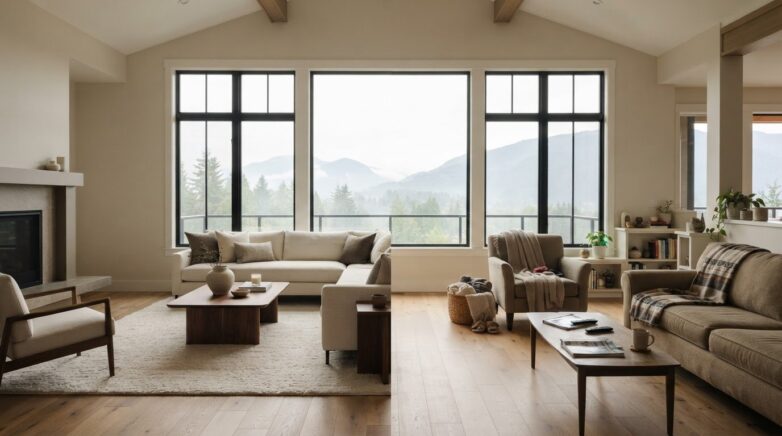
Move through the home at an unhurried pace, as if you’re seeing it for the first time. Check for bottlenecks, furniture that hides a feature and spaces whose purpose isn’t obvious. Notice whether surfaces feel busy and whether lighting changes sharply from one area to the next. In a lived-in home, small edits can make the layout easier to take in without clearing away everything that makes it yours.
How can you keep the presentation comfortable and authentic?
Keep enough seating and furnishings for rooms to feel functional, but avoid crowding them with extras. Let the home’s character lead. A restrained arrangement can support its existing features without disguising them or imposing a particular décor style. You don’t have to remove every personal belonging, but editing prominent items can help visitors focus on the space. No single colour, scent or accessory can guarantee a buyer’s response.
For a buyer walkthrough, keep what makes the home feel usable, edit what competes for attention and let each room’s character come through. This approach can make preparing for viewings more manageable, even while you’re still living in the home. For tailored guidance on presentation and room balance, explore Pair Home Design’s home consults.
When Professional Home Staging Can Bring the Buyer Appeal Together
You may know your home so well that it’s hard to tell which details stand out to someone seeing it for the first time. An outside perspective can help when rooms are difficult to arrange, the property’s strongest features aren’t obvious or you’re unsure which preparation tasks deserve attention. Professional support can be tailored to the property rather than treated as a formula for every listing.
What can a pre-listing consultation help you prioritize?
A pre-listing consultation takes a focused look at the home’s flow, function and visual presentation. Instead of starting with a long wish list of improvements, a stager can help identify practical priorities: where furniture interrupts movement, which room needs a clearer purpose or how to make an existing feature more noticeable. Homeowners can use this tailored guidance as an action plan and work through the recommendations at their own pace.
For homeowners in Chilliwack, Pair Home Design’s consultations offer a buyer-focused view of the property while keeping its particular layout and character in mind. Rita is a professional stager and a member of the Real Estate Staging Association (RESA), connecting her work with the staging field.
How can staging support a cohesive listing presentation?
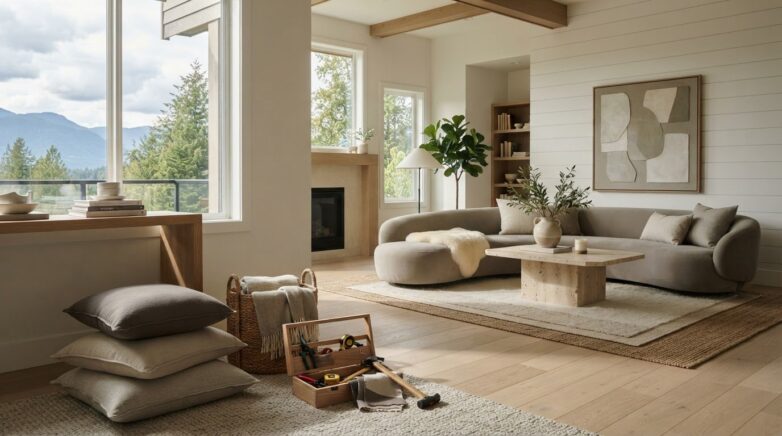
Preparing a home for daily living and preparing it for sale have different aims. Home styling shapes a space for the people who live there, while listing staging focuses on helping visitors understand the rooms, scale and possibilities. Selected furniture and décor can give an empty room a sense of proportion, make a partially furnished space feel more complete or create a more consistent impression as buyers move through the property.
Pair Home Design provides home staging, styling and curated rental inventory to present vacant or partially furnished homes. The aim isn’t to disguise the property or promise a particular sale result. It’s to bring the presentation into focus so buyers can better understand how the spaces connect and what each one can offer. Pair Home Design serves homeowners and realtors across Chilliwack, Abbotsford, Hope, Mission, Langley, Maple Ridge, Coquitlam, Surrey, Burnaby and Vancouver.
If you’re weighing how to make home more appealing to buyers, a consultation can help turn general ideas into priorities for your property. Start by noting the rooms or transitions you’re uncertain about, then use that list to guide a conversation with Pair Home Design. Whether you choose a consultation, styling or staging, the right support is the option that suits your home and helps its potential come through clearly.
Take the Next Step Toward a Thoughtful Listing
Getting ready to sell doesn’t have to mean changing everything at once. Choose a clear starting point: decide what you can comfortably handle yourself and where an outside perspective could help. Knowing how to make home more appealing to buyers is about making intentional choices that suit your property, not chasing an image of perfection.
If you’re unsure which direction to take, a conversation about your home’s presentation can turn a broad to-do list into a more considered plan. Pair Home Design offers staging and consultation services for homeowners preparing to list, with support shaped around the property and its needs.
Explore home staging and consultation services with Pair Home Design to plan your next step and present your home with clarity and care.
Frequently Asked Questions
What makes a home appealing to buyers?
A home feels appealing when its condition, layout and everyday functions are easy to understand. Buyers may notice practical details such as whether doors open smoothly, storage is accessible and rooms feel comfortable for their intended use. A tidy, well-maintained presentation can help those qualities come through. Aim to make the property feel cared for and easy to imagine living in, rather than trying to appeal to every individual taste.
Do I need to renovate before selling my home?
No. Renovation isn’t automatically necessary before selling. First consider whether a visible issue affects the home’s function or raises questions about its condition, rather than simply reflecting a finish you wouldn’t choose. A dated cabinet colour, for instance, may be a matter of taste, while a door that won’t close properly is a practical concern. Consider the home’s needs, your budget and the likely scope before committing to larger work.
Does home staging really help buyers picture themselves living in a home?
Staging can make a property’s scale and possible uses easier to read, though it can’t guarantee how any particular buyer will respond. In an empty home, a dining table or bed can give visitors a useful sense of proportion. In a furnished home, editing and adjusting pieces can show how the rooms connect. The aim is to support a buyer’s imagination, not prescribe exactly how they should live.
How can I make my home look bigger to buyers?
Make the usable floor area easier to see. Remove furniture that isn’t needed, keep doorways and window areas clear, and avoid using every wall or corner for storage. If a room has one large piece, try shifting it so the space feels balanced rather than squeezed. Clean windows and consistent lighting can also help the room feel open. Don’t block a useful feature just to create an empty-looking space.
Should I remove family photos before showing my home?
You don’t have to remove every family photo, but reducing the number on prominent walls and surfaces can help visitors focus on the home rather than its current occupants. Keep a few meaningful pieces if they suit the room, and store especially personal or sensitive photographs for privacy. This is a selective edit, not a requirement to strip away all signs of a home being lived in.
Can I stage my home while I am still living in it?
Yes. Staging an occupied home can work with furnishings you already use, with adjustments to support the property’s presentation while keeping daily life practical. For example, you might keep the main seating and dining pieces in place while reducing duplicate or rarely used items. A plan can account for household routines, so the home remains functional between viewings rather than feeling like a display that can’t be used.
Is professional home staging worth it in British Columbia?
It depends on the property and what you need help clarifying. Staging may be especially useful if a home is vacant, partly furnished or difficult to understand from its current layout. Pair Home Design offers consultations for homeowners in Chilliwack, Abbotsford, Hope, Mission, Langley, Maple Ridge, Coquitlam, Surrey, Burnaby and Vancouver, helping them consider presentation priorities before choosing the level of support that suits their home. Staging can improve presentation, but it can’t promise a sale or a particular price.