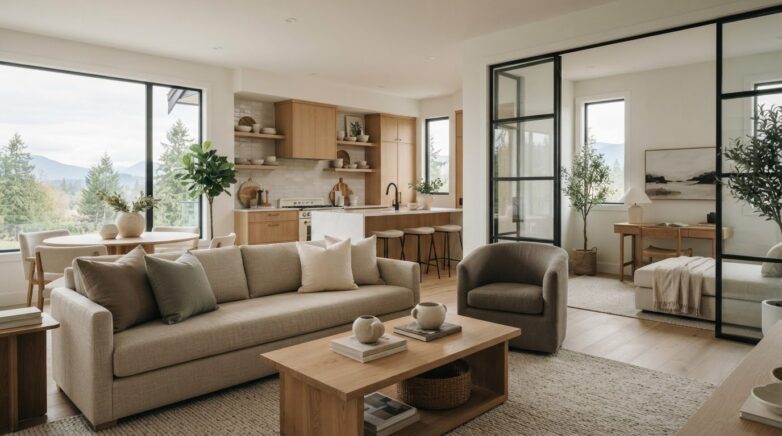
Art & Accessory Staging Guide for Fraser Valley Sellers
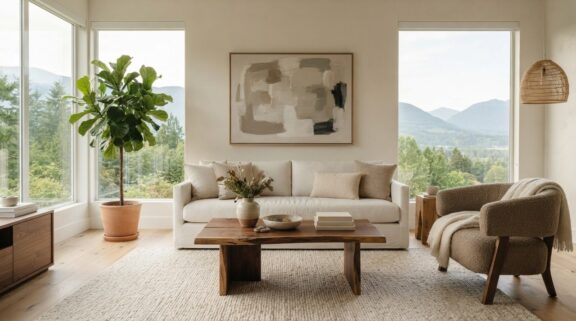
What if a few well-chosen pieces could make a room feel more welcoming without adding visual clutter? Before listing, rooms can feel unfinished, overly personal or inconsistent from one space to the next. An art and accessory staging service brings those details into balance, helping buyers focus on the home and picture how they might use it.
Artwork and accessories do more than finish a room. Their scale, colour and placement can define a focal point, connect furnishings and create a considered impression in listing photos and in person. The key is choosing pieces that complement the property rather than compete with it.
This guide explains how curated art and accessories can support a listing, how to decide whether professional curation suits your home and how to keep the result polished rather than over-decorated. Pair Home Design brings this approach to home staging, styling and consultations across the Fraser Valley and Greater Vancouver, with selections tailored to each property and its presentation.
Key Takeaways
- See how carefully chosen artwork and accessories can make rooms feel complete while keeping attention on the home.
- Use a simple curation sequence: assess the room, identify its focal point, then choose pieces that suit its colour, scale and texture.
- Compare DIY styling with an art and accessory staging service to decide which approach best suits your time, design needs and listing preparations.
- Prepare for staging by sorting personal art and objects into pieces to retain, set aside or discuss as part of the design.
- Learn how Pair Home Design’s tailored staging and styling brings considered finishing details to homes across the Fraser Valley and Greater Vancouver.
What an Art and Accessory Staging Service Adds to a Listing
A room can have attractive furniture and still feel unfinished. A bare wall, empty console or collection of unrelated objects can make the overall presentation feel less cohesive than the home itself. Thoughtful finishing choices connect the elements already in a room while keeping the property, not the decor, at the centre of attention.
An art and accessory staging service selects and arranges artwork and decorative pieces to support a listing’s presentation, making rooms feel considered, cohesive and easy to read. It’s one part of Home Staging, which presents a property so viewers can understand its spaces and possibilities. The right details can add warmth and definition, but they cannot guarantee a sale or a particular result.
Staging pieces are chosen for how they relate to the room and the home’s overall presentation. Personal art and treasured objects can be meaningful, but a dense gallery wall, prominent family photographs or numerous small keepsakes may pull attention away from the space. Not every personal item needs to go. The decision is whether an object helps the room feel welcoming or competes with its features.
Why finishing details influence how a room feels
Scale, placement and visual balance guide the eye through a room. A large, simple artwork above a sofa can anchor a seating area. A small frame on a broad wall may feel lost unless it’s grouped with other pieces or placed in relation to a nearby feature. In either case, art should add focus without obscuring details such as a fireplace, distinctive millwork or a striking window.
Accessories play a supporting role. A few well-placed objects can introduce texture and warmth or suggest how a surface might be used. A restrained dining-table arrangement, for example, can reinforce the room’s purpose. A soft textile and simple accent on a bedroom surface can contribute to a restful impression. Leave open space too: more decor isn’t automatically better.
When a room may benefit from curated art and accessories
Look for spaces that feel bare, disconnected or hard to understand at a glance. A living room without a visual anchor may seem less inviting. A spare room without clear cues might leave buyers wondering whether it’s an office, guest room or flexible space. Carefully chosen pieces can clarify a room’s function without filling every surface or dictating how a buyer should use it.
Not every room needs extra styling. If a space already feels balanced, more decor can create clutter or distract from its proportions and natural features. Step back and ask: does the room read clearly, and does anything draw attention away from the home? Curated art and accessories work best when they address a specific presentation concern, then leave the room space to breathe.
How Professionals Choose Artwork and Accessories for a Home
Good curation starts with the room, not a shopping list. A professional considers the property’s finishes, furnishings, natural light and listing goals before deciding whether art or accessories are needed. This keeps the choices connected to the home instead of imposing the same look on every space.
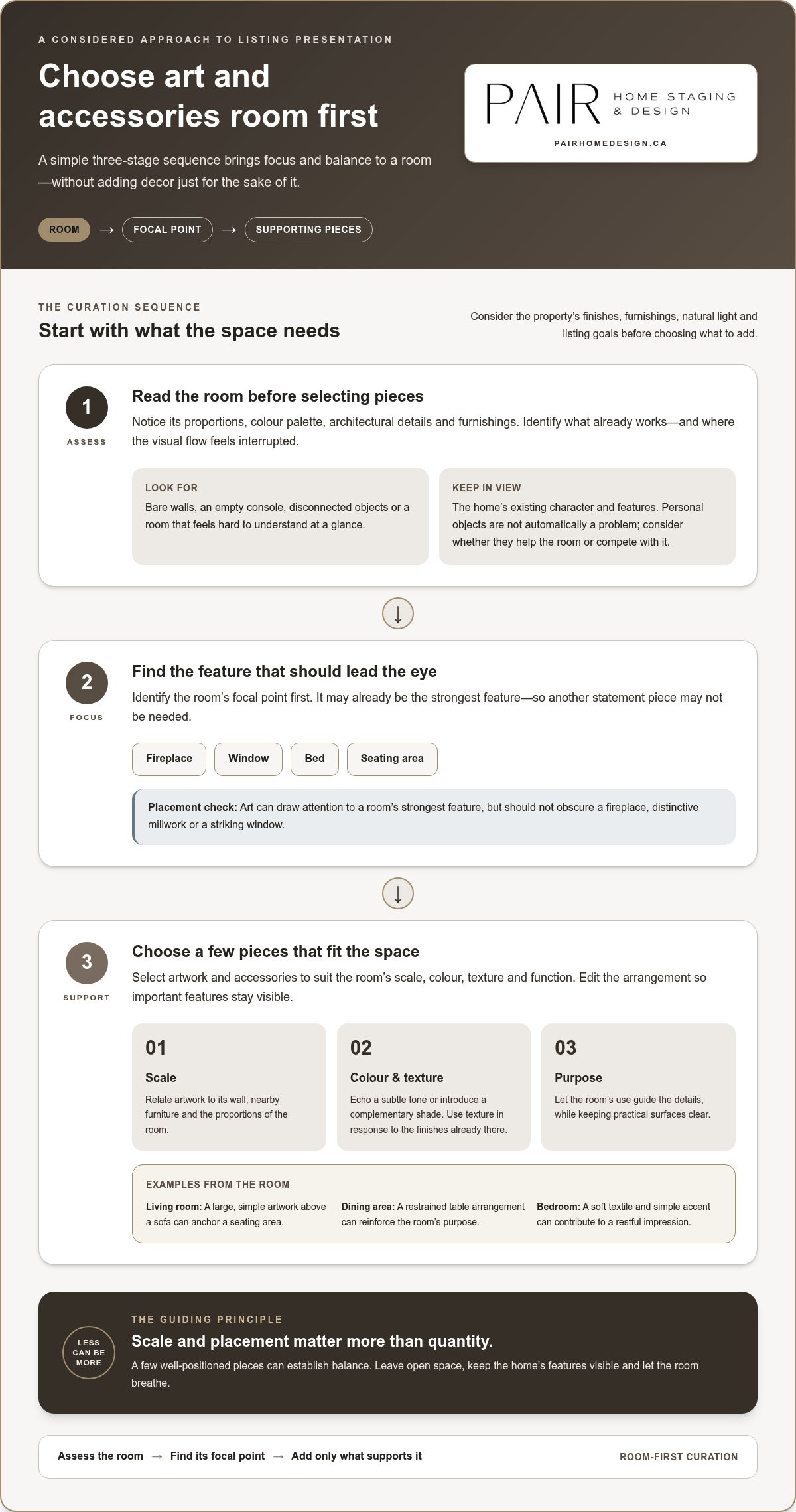
Use this sequence to make each choice purposeful:
- Assess the room. Note its proportions, colour palette, architectural details and furnishings. Identify what already works and where the visual flow feels interrupted.
- Find the focal point. It might be a fireplace, window, bed or seating area. First identify what should lead the eye, rather than automatically adding another feature.
- Choose supporting pieces. Select art and accessories that suit the room’s scale, textures and function. Edit the arrangement so its important features remain visible.
Scale and placement matter more than quantity. A few well-positioned pieces can establish balance, while extra decor can compete with the room.
Matching art to room scale, colour and focal points
Artwork should feel in proportion to its wall and the furniture beneath it. A modest frame can look adrift above a wide sofa, while an oversized piece may dominate a compact seating area. Consider the art’s visual presence in relation to the whole room, including nearby windows, doorways and architectural details.
Colour relationships help a selection feel cohesive without requiring exact matches. Art might echo a subtle tone in a rug or upholstery, or introduce a complementary shade to add depth to a neutral room. Placement then directs attention: a piece can define a dining area or draw the eye towards a room’s strongest feature instead of obscuring it. Choose art that suits the home’s character, not a universal style formula.
Using accessories to create balance, warmth and purpose
Choose accessories in response to what the room needs. A small arrangement on a console can soften a hard surface. A few objects at varied heights and with different textures can make a shelf feel composed without filling every space. In a bedroom, restrained bedside styling can reinforce the room’s purpose while keeping practical surfaces clear. The goal is a welcoming impression, not a display of every available item.
Existing furnishings should guide these decisions. Smooth finishes might benefit from a contrasting natural texture, while a room already rich in pattern may call for quieter accents. Materials, proportions and considered details can preserve a home’s character without relying on highly personal collections that distract from the property.
For sellers refining a listing’s visual presentation, an industry report on home staging offers broader context on how staging is considered in real estate. Pair Home Design’s tailored staging and styling approach brings finishing choices into the wider presentation of a home.
Professional Curation or DIY: Which Art and Accessory Staging Fits?
Artwork and accessories may be small details, but their effect depends on how they work with the room and the listing’s overall presentation. A few pieces you already own might be enough for a cohesive look. In other homes, mismatched art, personal collections or out-of-scale accessories can make it harder to see the space clearly.
DIY styling suits sellers with a clear plan and pieces that complement the home. Professional curation is useful when time is limited, you’re unsure what to keep or you want visual consistency across several rooms. An art and accessory staging service brings a design perspective to those choices, with the property’s presentation guiding what stays, moves or is added.
DIY styling: You select and arrange pieces you own. This works well when artwork is well-scaled, accessories are restrained and rooms feel connected.
Professional curation: A stager assesses the rooms, edits existing items and selects supporting pieces for a consistent presentation. This is helpful when choices feel mismatched or listing preparations are difficult to coordinate.
Both approaches: Aim for a clear, welcoming impression that keeps attention on the home, not the number of objects in it.
Signs you may be able to style with pieces you already own
Start with a room where the art suits the wall and furnishings, and decorative objects feel considered rather than crowded. View the space from its entrance and from likely photography angles. If the main features read clearly, surfaces feel calm and your eye isn’t pulled towards personal collections, you have a workable starting point. Edit first: remove distractions before deciding whether anything needs to be added.
Signs professional art and accessory staging may help
Professional guidance is useful when artwork looks undersized, pieces clash with the home’s finishes or highly personal objects dominate a room. It also brings a consistent perspective to several spaces, connecting the choices without making every room look identical. A stager can work with existing furnishings and select considered inventory pieces when they support the presentation.
Consider what feels difficult: finding suitable objects, deciding what to edit or carrying a consistent look through the listing. Pair Home Design provides home staging, styling and consultations shaped around the property. For a broader framework on evaluating staging value, consider how staging fits your home and selling plans, including the questions raised in “Is Home Staging Worth It? Busting the Myths About ROI in the 2026 BC Market.”
Prepare Your Home for Art and Accessory Staging
You don’t need to style every room before a stager arrives. A little preparation makes the visit more useful while leaving selection and final design decisions to the professional. Your knowledge of the home matters: how you use each room, which pieces you value and your listing plans all help shape a tailored art and accessory staging service.
Think of preparation as making the home easy to assess, not making it look finished. A clear view of each room and its existing objects gives the staging conversation a practical starting point.
Before the staging visit: gather useful context
Before the visit, collect a few notes rather than moving artwork or buying accessories. Your listing goals, how each room is used and any staging plans already in place can guide the discussion. If a room has more than one purpose, such as a den that also serves as a guest space, explain how you’d like buyers to understand it.
Identify objects with personal significance or a strong connection to the home. These might include art made by a family member, a locally sourced keepsake or an accessory you hope to keep visible. Group them in one place or make a note of them. You don’t need to decide in advance where they belong in the finished design.
Make the rooms accessible for assessment. Clear walkways, open curtains and move everyday items off key surfaces where practical. The stager needs to see the walls, furnishings and available display areas, but you don’t have to empty a room or rearrange its contents.
- Share the context: explain listing plans, room uses and existing staging arrangements.
- Flag meaningful pieces: identify art and objects to retain, set aside or discuss.
- Make space to assess: clear walkways and expose key surfaces without pre-styling.
After the design direction is set
Once you and the stager have agreed on a direction, keep it consistent as listing preparations continue. Follow the plan for personal items and everyday objects, and avoid adding decor or shifting selected pieces without considering how that might change the room’s balance. If something needs to move for daily use, return it to its intended place before viewings or photography, as appropriate to the plan.
Finishing details work best as part of the broader staging and photography plan. Keep agreed arrangements in place as the home is prepared for listing images, and let your stager know if practical changes affect a room. Curated inventory can support the presentation when existing pieces aren’t the right fit. The article “2026 Home Staging Rental Guide: Real Estate Success” discusses rental inventory as part of preparing a property.
Explore staging and styling with Pair Home Design.
How Pair Home Design Brings Art and Accessories Together in the Fraser Valley
Pair Home Design is a Chilliwack-based staging and styling company serving homeowners and realtors across the Fraser Valley and Greater Vancouver. Led by Rita, a professional stager and Real Estate Staging Association member, the company considers how each property can be presented. Artwork and accessories are part of that broader work, selected to complement the home without promising a particular sale result.
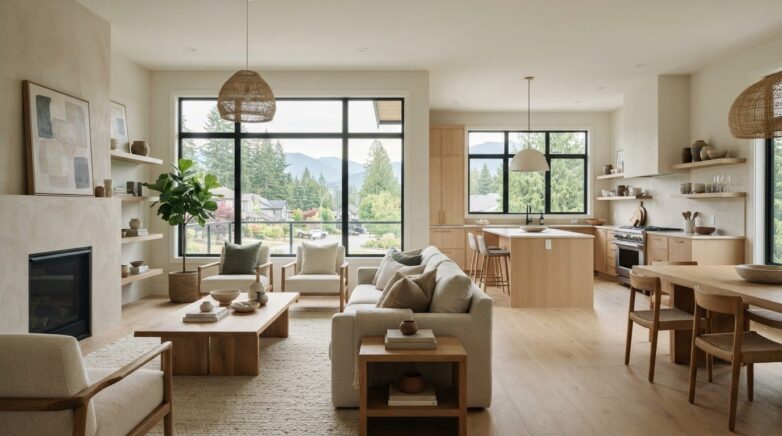
For sellers, the value is in seeing finishing details in context. Artwork can anchor a seating area, while a small number of carefully chosen accessories can add warmth to a room that feels bare. The aim isn’t to fill every wall or surface. It’s to make the home feel welcoming, coherent and ready to view.
A considered approach to each property
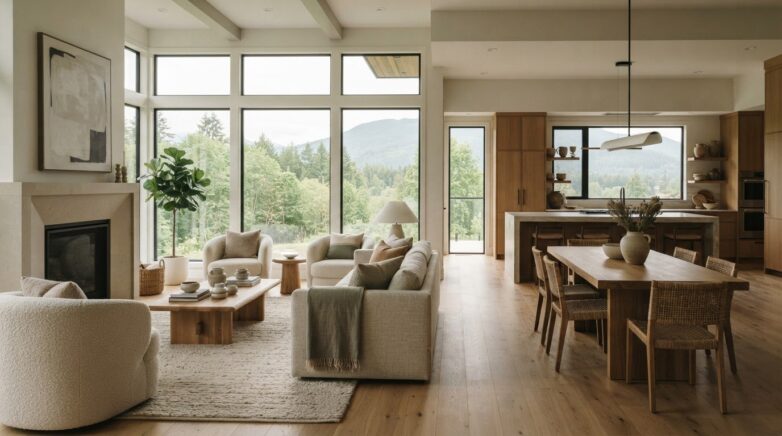
Every home has its own character. Existing furnishings, finishes, room proportions and listing goals all help guide the styling direction. A bright, open living space may call for restrained accents that preserve its airiness. A room with strong natural materials might benefit from complementary textures. The choices are tailored to the property, not imposed as a one-size-fits-all look.
Rita’s staging perspective keeps details connected to the overall presentation. Thoughtfully selected inventory pieces can work alongside what’s already in the home, while placement and editing help each room feel intentional. Sometimes that means adding a finishing touch. In another space, clear surfaces and prominent architectural features may be the better choice. For a broader look at styling beyond a listing, “Professional Home Styling in the Fraser Valley: Elevate Your Living Space” offers a related perspective.
This approach works for occupied homes with existing furnishings and for vacant properties that need a warmer impression. A tailored art and accessory staging service considers how pieces relate to the listing as a whole, from room to room, rather than treating decor as a separate layer.
Explore staging support for a Fraser Valley listing
Pair Home Design works with clients in Chilliwack and surrounding Fraser Valley communities, as well as across Greater Vancouver. Homeowners preparing to list can choose home staging, home styling or a consultation to clarify the property’s presentation. Realtors can use carefully selected artwork and accessories to support a listing’s visual story without distracting from its features.
Bring your listing goals and any personal pieces you’d like considered. Start with what the home needs and what you hope buyers will notice. Rita can then help shape a direction that feels connected to the property and its next chapter.
Discuss staging support for your Fraser Valley listing.
Shape a listing presentation that feels like home
Preparing to sell is a chance to see your home through a fresh lens. Instead of aiming for a perfectly decorated room, consider the feeling you want visitors to take away: calm, spacious, welcoming or full of possibility. That intention can guide an art and accessory staging service, keeping each choice connected to the experience of the property as a whole.
You don’t need to have every detail decided before taking the next step. A conversation about your listing goals can clarify where thoughtful styling supports the presentation and where the home’s own features should lead. With a collaborative approach, the result can feel polished yet genuine, leaving room for buyers to imagine their own lives there.
Explore staging services with Pair Home Design and take a considered next step towards presenting your home with warmth and intention.
Frequently Asked Questions
Can I use my own artwork and accessories when staging my home?
Yes. Your artwork and accessories can be considered as part of the staging plan. Before a visit, note which pieces are meaningful, fragile or valuable, and share that context with the stager. You can also identify anything you’d prefer not to display. This gives the design discussion a personal starting point and helps determine which objects suit the property’s listing presentation.
Is art and accessory staging useful if my home is already furnished?
Yes. A furnished home can benefit from an art and accessory staging service when rooms feel unfinished or the furnishings don’t read clearly together. For example, a living room may have ample seating but lack a visual connection between its rug, wall art and shelves. A focused review can identify whether existing pieces need editing, rearranging or a few complementary finishing touches.
How do you choose artwork for a room when staging a home?
Choose artwork in relation to the room and the features that should stay prominent, such as a fireplace, window or seating area. View the wall from the doorway and from angles likely to appear in listing photos. Consider the frame’s condition, the art’s subject and how its colours relate to nearby finishes. The goal is a considered fit, not a match for every cushion.
Can accessories make a room look cluttered in real estate photos?
Yes. Too many accessories or small objects grouped without a clear purpose can look busy, especially within a tight photo frame. Reflective surfaces, crowded shelves and items that interrupt a clear view of counters or windows can also draw attention from the room. Before photography, look at each surface from the likely camera position. Put away anything that blocks a feature or adds no useful visual balance.
What should I put away before art and accessory staging?
Put away everyday items that aren’t part of the planned presentation, such as mail, charging cables, toiletries and laundry. Store valuables, medication, keys and personal documents securely. You don’t need to remove every decorative object in advance. Keep special pieces together or make a short note of what you’d like considered, so the stager can discuss them with you before making choices.
Does art and accessory staging work for vacant homes?
Yes. Considered artwork and accessories can make a vacant home feel more welcoming and give furnished rooms a sense of purpose. They work best alongside furnishings that help buyers understand the scale and use of a space, rather than as a substitute for them. Pair Home Design serves listings in Chilliwack, Abbotsford, Hope, Mission, Langley, Maple Ridge, Coquitlam, Surrey, Burnaby and Vancouver, with curated inventory supporting its staging work.