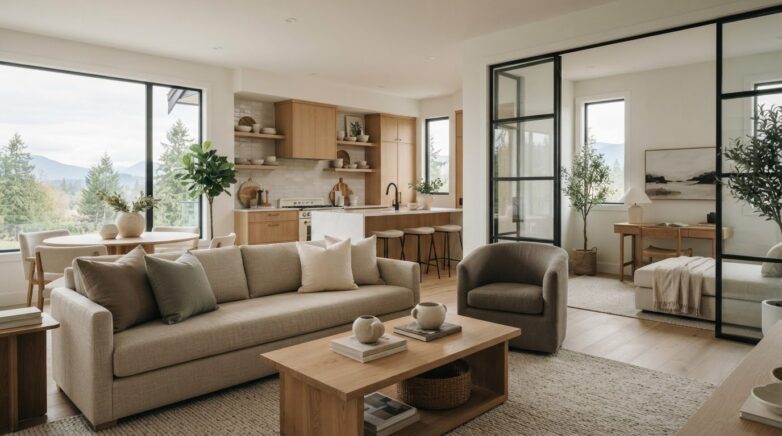
Staged Homes Sell Faster: What the Evidence Really Shows
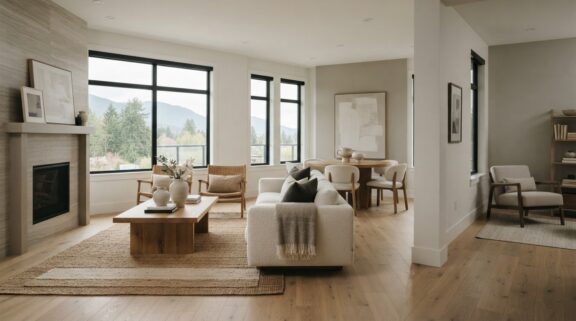
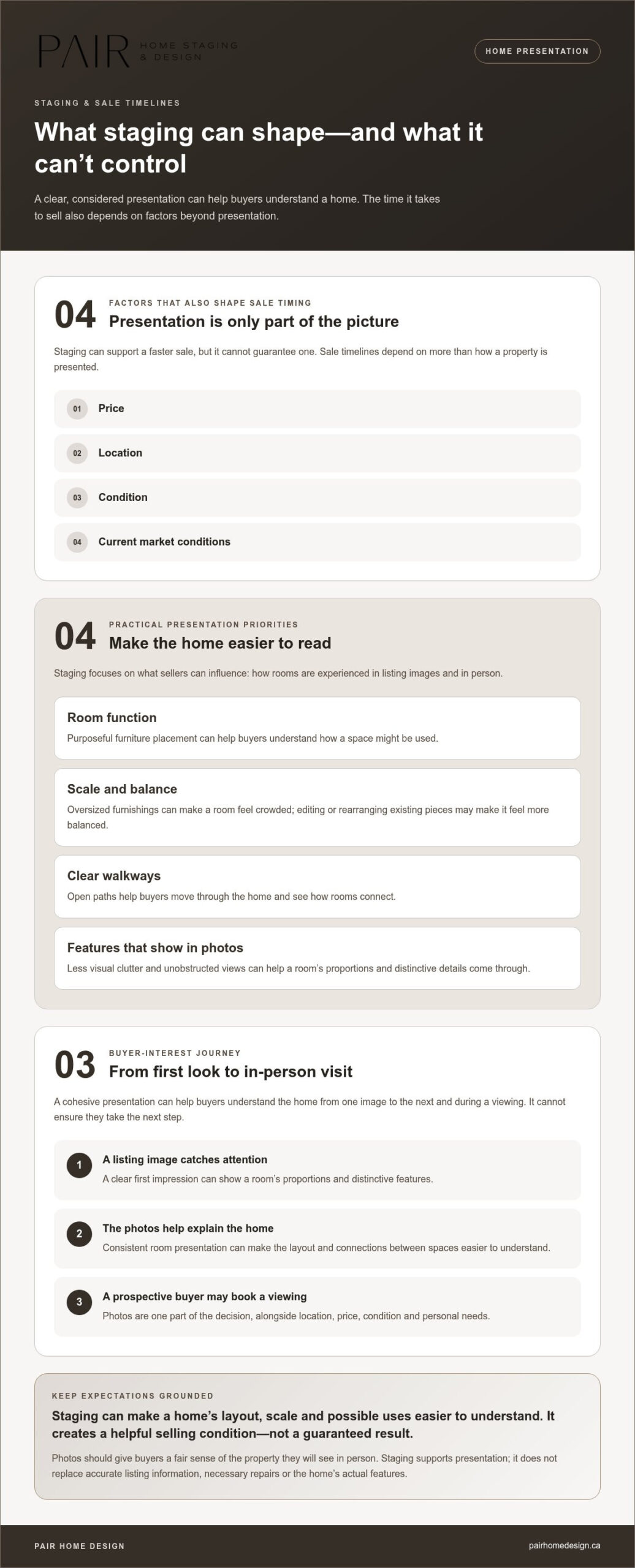
What if staging helps buyers see a home’s potential, but can’t control how quickly it sells? The claim that staged homes sell faster is appealing when you’re preparing to list, yet sale timelines also depend on price, location, condition and current market conditions. Staging can make a home’s layout, scale and possible uses easier to understand, creating a more welcoming first impression without guaranteeing a particular result.
If you’re unsure whether staging is worthwhile for your property, you’re not alone. Claims about faster sales and higher offers can make it difficult to know which changes deserve your time and budget. A more useful question is what staging can realistically improve in your home: room function, clear walkways, the balance of furnishings or the way key features appear in listing photos.
This article explores how staging helps buyers connect with a space, what the available evidence can and can’t tell you, and how to set realistic expectations for time on market. You’ll also learn how to prioritize pre-listing improvements, from a few considered adjustments to a more complete presentation. A tailored consultation can help you choose an approach that suits your property and the buyers you hope to reach.
Key Takeaways
- Staging can support buyer interest, but whether staged homes sell faster depends on more than presentation alone.
- Clear listing photos and well-arranged rooms can help buyers understand a home’s layout and distinctive features.
- Put sales-timeline claims in context by considering price, condition, location, competition and buyer demand.
- Use a practical assess, prioritize, present and review sequence to prepare your home without relying on a trend checklist.
- Pair Home Design’s consultations, staging and styling can help create a cohesive first impression for buyers.
Do staged homes sell faster? What staging changes for buyers
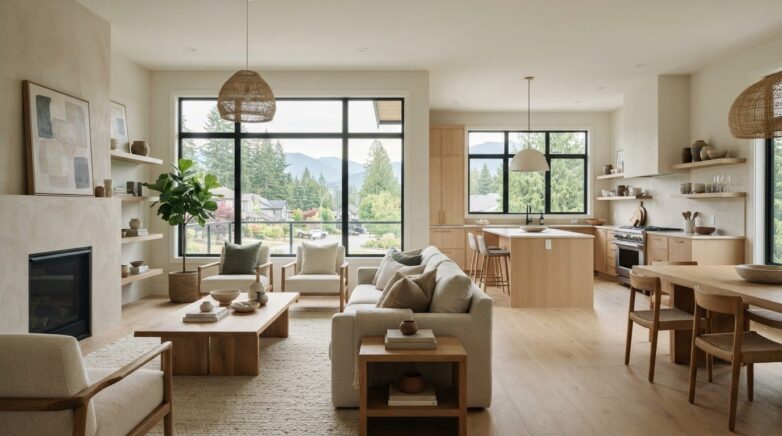
Staging can support a faster sale, but it can’t guarantee one. Home staging is the considered preparation of a property’s presentation for prospective buyers. The aim isn’t to disguise a home or make every room look untouched. It’s to help buyers see how the spaces work, feel and might suit their lives. A clear layout, balanced furnishings and a few thoughtful details can make a home easier to understand at a glance.
Staging creates a helpful selling condition, not a guaranteed result. Whether staged homes sell faster depends on factors beyond presentation, including the property’s price, condition and competition. Staging focuses on what sellers can influence: how the home is experienced in listing images and in person. For a general overview of the practice and its purpose, see What is Home Staging?
How staging helps buyers understand a home
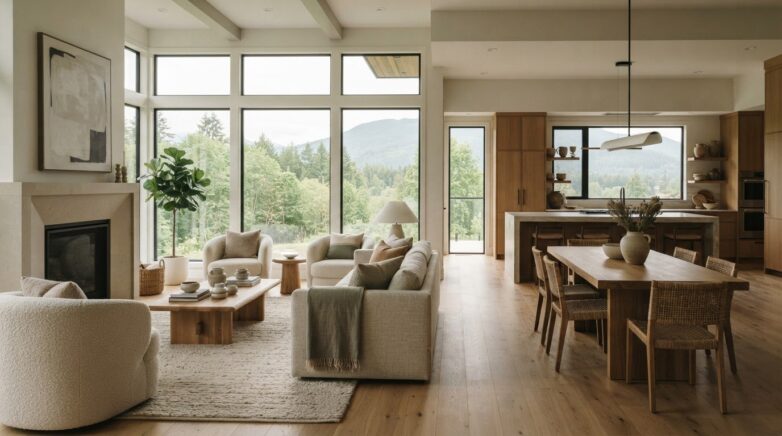
Purposeful furniture placement gives each room a readable function. A small table and two chairs can suggest a breakfast spot. A desk positioned to preserve open floor space can show how a corner might work as a home office. Buyers can then consider whether the layout fits their needs instead of spending the viewing trying to interpret it.
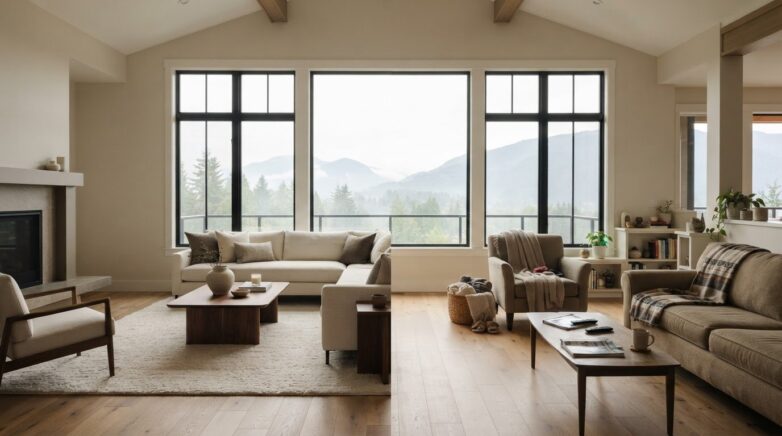
Scale matters, too. Oversized furniture can make a room feel crowded, while too few visual cues may leave its purpose unclear. Open walkways help buyers move through the home and see how rooms connect. The result can feel lived-in and welcoming without requiring a full redesign. Sometimes editing existing furnishings and changing their arrangement is enough to make a space feel more balanced.
Why the first impression starts online
For many buyers, the first look at a home comes through listing photos. A cohesive presentation helps those images communicate the property clearly: the room’s proportions, how one space leads to another and which details make it distinctive. When surfaces are busy or furniture blocks the view, useful features can be harder to notice in a photograph.
Clear images can help a prospective buyer decide whether to book a viewing, but they can’t tell the whole story. Photos are one part of a buyer’s decision, alongside location, price, condition and personal needs. Staging isn’t a promise of more clicks, showings or offers. It’s a way to present the home with greater intention, so people can make a more informed choice about seeing it in person.
How staging can shorten the path from listing to buyer interest
Buyer interest often builds in stages. A listing image catches someone’s attention, the rest of the photos help them understand the home, and then, if the property seems like a fit, they may book a viewing. Staging supports this progression by making the home’s spaces easier to read from one image to the next and in person. It can’t ensure that a buyer takes the next step, but it can reduce distractions that make the property harder to understand.
From listing photos to an in-person viewing
Consistent room presentation gives listing photos a clear visual story. A focal point, such as a dining table beneath a pendant light or a seating arrangement oriented towards a fireplace, helps viewers quickly recognize how a space might be used. Repeating a calm, cohesive feel across rooms can also make the home easier to imagine as a whole, rather than as a collection of disconnected photographs.
Accuracy matters as much as atmosphere. Staging supports photography, but it doesn’t replace complete, accurate listing information or change the home’s actual features. Photos should give buyers a fair sense of the property they’ll see at a viewing. When the images and in-person experience feel consistent, buyers can focus on assessing the home instead of reconciling a mismatch.
How layout and atmosphere support buyer confidence
Once inside, visitors should be able to follow a natural path through the rooms. Furniture arranged with circulation in mind can make it clearer where to walk, where a conversation area might sit, or how a spare room could serve as a workspace. That clarity may help buyers consider how they’d use the home, though each person’s response will be different.
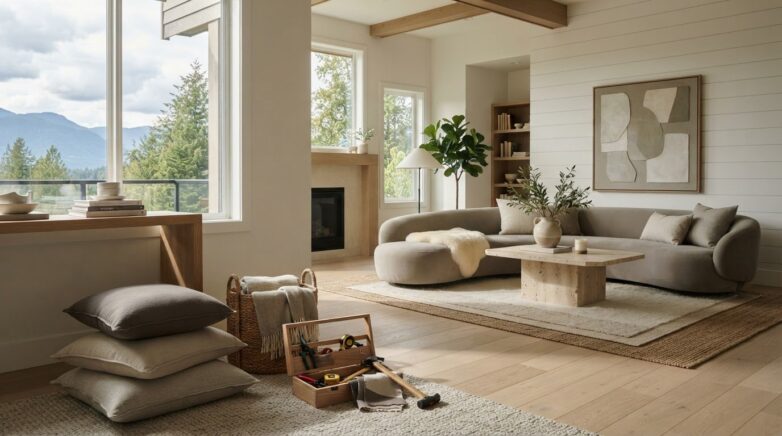
A balanced, cared-for appearance can also keep small visual distractions from taking over a viewing. Editing crowded surfaces or repositioning a chair may bring a room’s proportions or a distinctive feature into focus. Staging can’t resolve maintenance concerns or stand in for necessary repairs. It helps present the home’s existing qualities with intention.
Staging makes a home’s spaces easier to read, from the first photo to the final room of a viewing. That improved legibility may help a buyer move from browsing to considering a visit, and perhaps to a stronger sense of connection once there. The National Association of Realtors’ NAR’s Home Staging Statistics explores staging through buyer and agent perspectives, offering context for why presentation matters without predicting any one home’s outcome.
For sellers, look for moments of confusion: a room whose purpose isn’t apparent, a walkway that feels awkward, or a feature that disappears in a crowded photo. A focused home styling plan can address presentation priorities without turning preparation into a full redesign. Pair Home Design’s home styling and staging support can help bring those choices into a cohesive plan for your property.
What the evidence says about staged homes selling faster
Research can offer useful context, but a headline about how quickly staged homes sell faster is not a reliable prediction for a particular property. Days on market reflect a mix of presentation and market conditions. A well-prepared home may be easier for buyers to assess, while its asking price, condition, location, competing listings and level of buyer demand all affect how quickly interest turns into an offer.
How to read statistics about days on market
Before applying a study’s result, look for four details: who or what was studied, which properties formed the comparison group, when the data was collected, and how “time on market” was measured. A result based on a selected group of staged homes may not represent all listings. A comparison may also fail to account for differences in price, condition or location.
A 73% shorter time-on-market figure is sometimes repeated in staging discussions, but without the original study’s date, sample and comparison method, it shouldn’t be treated as a current or universal forecast. Even a well-documented average describes the group studied, not what will happen to one home. National or older results may be less predictive in the Fraser Valley, where local conditions and buyer demand can shift over time.
Why staging cannot control the whole sale timeline
Staging influences presentation; it doesn’t set the market. An asking price that doesn’t align with comparable properties can affect buyer interest, just as a home’s location and condition can shape who considers it. Competing listings matter, too. Buyers compare available choices, and changes in supply or demand can alter how long a property takes to sell.
For a useful local picture, compare the home with relevant Fraser Valley listings and recent market data before drawing conclusions about likely timing. Current comparables help put presentation in context, but they still can’t promise a sale date. The 2026 BC home staging ROI guide discusses value from a separate angle.
| Factor | What it may influence |
|---|---|
| Staging | How clearly buyers can understand the home’s spaces and presentation. |
| Price | Whether the listing seems competitive beside comparable properties. |
| Condition | How buyers assess the home’s upkeep and readiness. |
| Location and competition | Which buyers are interested and what alternatives they can view. |
| Buyer demand | How much activity exists for similar homes at that time. |
Think of staging as one considered part of a listing strategy, not a shortcut around market realities. Its value is clearest when the home’s presentation is considered alongside current local comparables and the conditions buyers are responding to.
How to decide what staging your home needs before listing
The right preparation depends on the home in front of you, not a checklist of current trends. Start with what buyers need to understand: how rooms function, where natural light falls, what condition the property is in, and who is most likely to be interested. Then match the level of staging to the gaps you identify. This keeps preparation focused and helps you invest effort where it can make the home’s presentation clearer.
Use this four-step sequence to shape your plan:
- Assess. Walk through as if you’re seeing the home for the first time. Notice rooms that feel confusing, dark, crowded or unfinished, as well as the features you want to draw attention to.
- Prioritize. Address changes that make spaces easier to understand before adding decorative touches. Consider layout, light, visible condition and the needs of likely buyers.
- Present. Edit, rearrange or add furnishings to create a balanced, welcoming impression that suits the property and its existing features.
- Review listing readiness. Look at the home again as a buyer might, both from the entrance and through the listing photos. Check that rooms read clearly and that the presentation reflects the property accurately.
Prioritize changes that make the home easier to read
Begin with rooms where furniture blocks a walkway, surfaces draw attention away from the space, or the room’s purpose isn’t obvious. A tailored pre-listing consultation can help identify which edits matter most for your home. The Chilliwack pre-listing staging consultation guide offers more perspective on planning. Work with the furnishings and condition you have, and keep staging separate from necessary repairs.
Match the staging approach to the property
A furnished home may benefit from selective editing, thoughtful rearrangement and styling that brings the rooms into balance. A vacant property presents a different challenge: without furniture, buyers may find it harder to judge scale or picture how rooms could be used. Curated furniture can help define those spaces. Learn more about home staging rental inventory and how it can support a considered presentation.
A focused consultation can help you prioritize changes, while fuller staging may suit a home that needs a more complete presentation. The choice should reflect the property’s needs, rather than an assumption that every listing requires the same level of preparation. To plan a tailored approach, book a pre-listing staging consultation with Pair Home Design.
How Pair Home Design helps staged homes make a stronger first impression
Staging is most useful when it responds to the home itself. Pair Home Design is Rita’s Chilliwack-based staging and styling business, serving the Fraser Valley and Greater Vancouver, including Chilliwack, Abbotsford, Hope, Mission, Langley, Maple Ridge, Coquitlam, Surrey, Burnaby and Vancouver. Rather than applying one look to every property, Rita considers the home’s layout, condition and likely buyer, then helps shape a presentation that feels cohesive and inviting. The goal is thoughtful preparation, not a promise that staged homes sell faster or achieve a particular result.
The right level of support can vary. A pre-listing consultation helps sellers identify priorities and decide where to focus their efforts. Home styling can refine the presentation with furnishings and details suited to the property, while full home staging can create a more complete look. Curated furniture and decor can also help define rooms and bring a consistent feel to a home. The approach depends on what will serve the property best.
A considered approach to each home’s presentation
Each decision has a purpose. Furnishings can clarify how a room might be used, while considered placement can help the home feel balanced without obscuring its features. Rita works collaboratively with sellers to shape a presentation that suits the property and its likely audience. Her membership in the Real Estate Staging Association is one professional detail behind that considered approach.
Tailoring matters because presentation isn’t a trend checklist. A home with established furnishings may need selective styling; another property may benefit from a fuller staging plan. In either case, curated pieces are chosen as tools to support the overall impression, helping rooms feel connected while keeping the home’s own character in view.
Explore staging support across the Fraser Valley
From Chilliwack through the Fraser Valley and into Greater Vancouver, local context helps shape a home’s preparation. Sellers in Chilliwack, Abbotsford, Hope, Mission, Langley, Maple Ridge, Coquitlam, Surrey, Burnaby and Vancouver can explore the 2026 Vancouver home staging guide for a closer look at listing presentation in that market.
Good staging doesn’t need to erase the signs of a real home. It can bring attention to the qualities that make a property welcoming, while making its spaces feel purposeful and cared for. A focused consultation, styling or fuller staging approach can each be part of that work, depending on the home’s needs and the seller’s goals.
If you’re preparing to list and would like a thoughtful perspective on your home’s presentation, explore Pair Home Design and discuss a tailored approach with Rita.
Make your next listing decision with confidence
Preparing to sell can feel like a long list of choices, but you don’t have to solve every room at once. Start by asking what you want a buyer to notice and understand as they move through your home. That perspective can help you decide whether a small adjustment, thoughtful styling or a broader staging plan feels right for your property.
The question isn’t only whether staged homes sell faster. It’s how you want your home to meet its next owner, with a presentation that feels clear, welcoming and true to the space. A considered plan can help you focus your effort while keeping expectations grounded in the realities of your local market.
If you’re ready to explore what would suit your home, explore a considered staging plan with Pair Home Design. Take the next step with a tailored approach and bring your home to market with greater clarity.
Frequently Asked Questions
Can home staging guarantee that a property will sell faster?
No. Staging can improve how clearly a home presents, but it can’t determine when a buyer is ready or whether the asking price fits their budget. Before listing, review the pricing strategy against comparable sales and decide which presentation changes are within your control. Treat any faster-sale claim as background, not a timeline to plan around, and allow for changes in market activity and individual buyer circumstances.
How much faster do staged homes sell?
There isn’t a dependable number of days staging will save for a particular property. Reports about how staged homes sell faster describe results from specific groups and periods, not a forecast for your listing. If you’re weighing a statistic, check how the study defined “staged” and “days on market,” then compare homes similar to yours in location, type and price range. That gives the figure useful context, not certainty.
Is home staging useful in a buyer’s market?
It can help a listing stand out through clear, thoughtful presentation, even when buyers have more properties to consider. For example, if nearby listings offer similar layouts, a well-arranged dining area may help buyers understand how the space could fit their routine. Staging doesn’t replace a competitive asking price or a sound listing strategy. Its usefulness depends on what competing homes look like and what buyers in that market value.
Can staging help a home sell without renovations?
Yes, staging can refine presentation without a major redesign, but it can’t replace repairs or conceal maintenance issues. A seller might rearrange existing furniture to open a narrow route through the living room, then separately address a sticking door that affects everyday use. Keeping those tasks distinct helps avoid spending effort on decor while practical concerns remain. A pre-listing assessment can help sort presentation choices from work the home may need.
What should sellers compare when looking at staging statistics?
Check the report’s date, location, sample size, definition of staging, comparison properties and the outcome being measured. Days on market and sale price describe different things, so don’t treat one as evidence of the other. Local context matters, too: a broad study may not reflect listings from Chilliwack, Abbotsford, Hope, Mission, Langley, Maple Ridge, Coquitlam, Surrey, Burnaby or Vancouver. Compare similar local properties before drawing conclusions.
Does every room need to be staged before a home is listed?
No. Focus first on rooms that shape a buyer’s understanding of the home or feel difficult to use as they are. For instance, a spare room filled with boxes may need editing so its size and possible function are apparent, while a tidy, functional bedroom may need little adjustment. Preparation can be selective: consider each room’s condition, furnishings and role in the overall impression rather than applying the same treatment throughout.